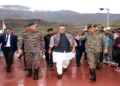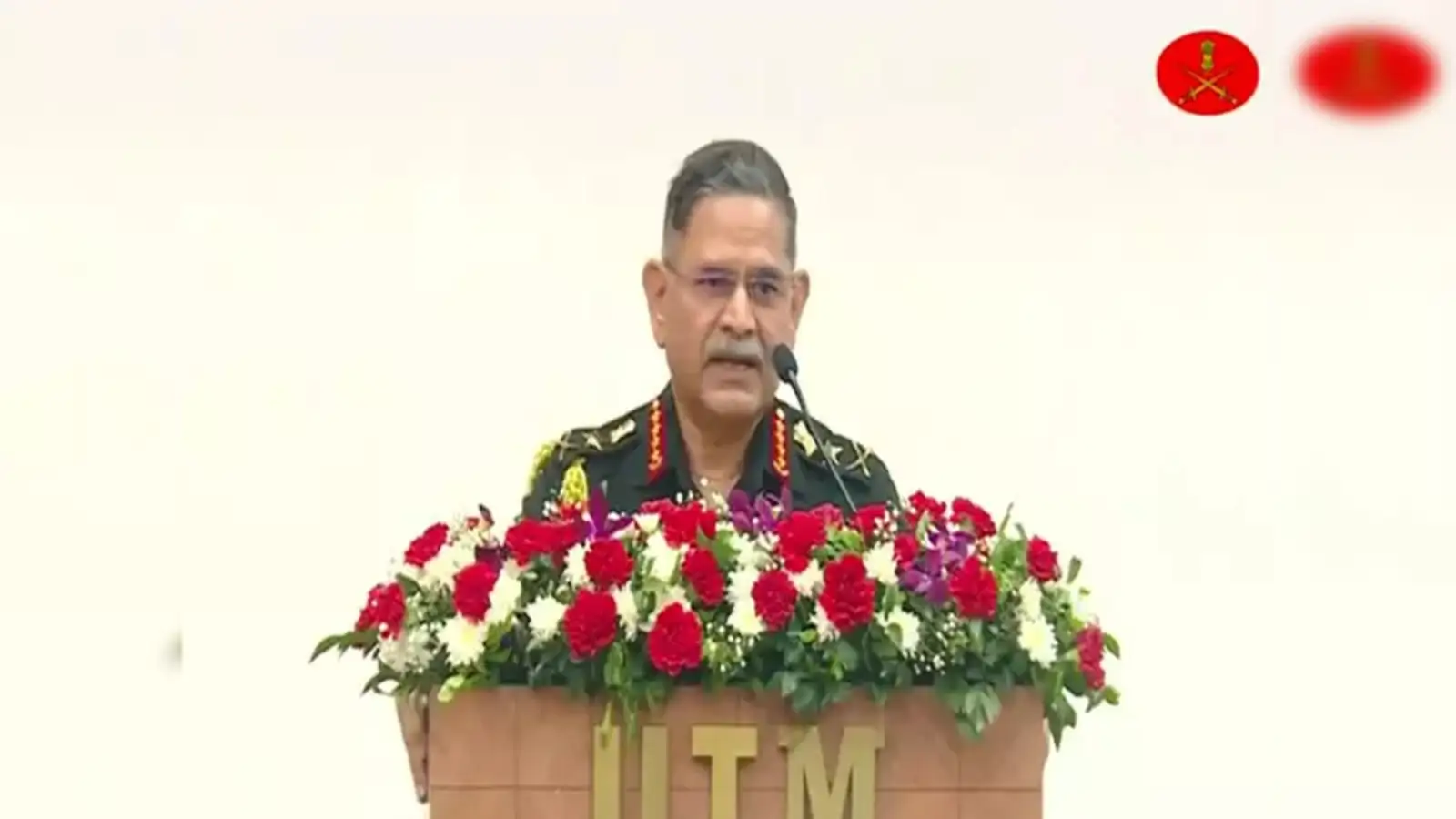
Speaking at the inauguration of the Indian Army Research Cell ‘Agnishodh’ at IIT Madras, General Upendra Dwivedi likened Operation Sindoor’s strategic planning to a game of chess. He emphasised the unpredictable and nuanced nature of the operation, conducted in a “grey zone” just short of conventional warfare but far from routine military engagements.
“In Op Sindoor, what we did, we played chess… We did not know what step the enemy was going to take, and what we were going to do. It was a grey zone operation,” said General Dwivedi.
The Army Chief revealed that preparations started on April 23, shortly after the Pahalgam terror attack that claimed 26 lives. On that day, Defence Minister Rajnath Singh and the three service chiefs agreed that decisive action was necessary.
“Enough is enough,” Dwivedi recalled the Defence Minister saying. “The free hand was given — ‘you decide what is to be done.’”
By April 25, the Northern Command had already carried out strikes on seven out of nine high-value terrorist targets, eliminating several militants.
Dwivedi distinguished Operation Sindoor from earlier operations like Uri and Balakot. While Uri targeted launch pads and Balakot focused on militant training camps inside Pakistan, Sindoor penetrated further into enemy heartland, striking critical assets codenamed “Nursery” and “Masters.”
“This was the first time we hit the heartland… That’s what came as a shocker to them,” said the Army Chief.
The missions spanned across Jammu and Kashmir and Punjab, with two coordinated operations involving the Indian Air Force.
Reflecting on the operation’s duration, Dwivedi said the “test match” ceased after four days but could have lasted much longer, even weeks or months, requiring the forces to maintain constant preparedness.
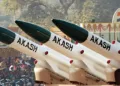
In a related revelation, Air Chief Marshal Amar Preet Singh confirmed that India’s air defence systems shot down five Pakistani fighter jets and one advanced surveillance aircraft during Operation Sindoor, the largest surface-to-air kills in India’s history.
Speaking at the 16th Air Chief Marshal LM Katre Memorial Lecture, Singh detailed how the May 7 strikes targeted terror infrastructure near the border and inside Pakistan.
“We have at least five fighters confirmed killed and one large aircraft, possibly AEW&C, taken down at about 300 kilometres,” he said.
This official confirmation marks the first detailed disclosure of the damage inflicted on Pakistan during the operation, launched in retaliation for the Pahalgam terror attack.