NEW DELHI: Russia’s state-owned nuclear energy major Rosatom has unveiled a major expansion of India-Russia nuclear cooperation, offering advanced large-capacity nuclear reactors, small modular reactors (SMRs), critical minerals collaboration and localisation of high-end manufacturing technologies during the 18th BRICS Summit in New Delhi. The proposed partnership strengthens the India-Russia strategic relationship while placing nuclear energy and India’s energy security at the centre of future industrial cooperation.
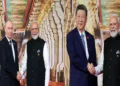
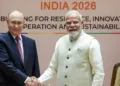
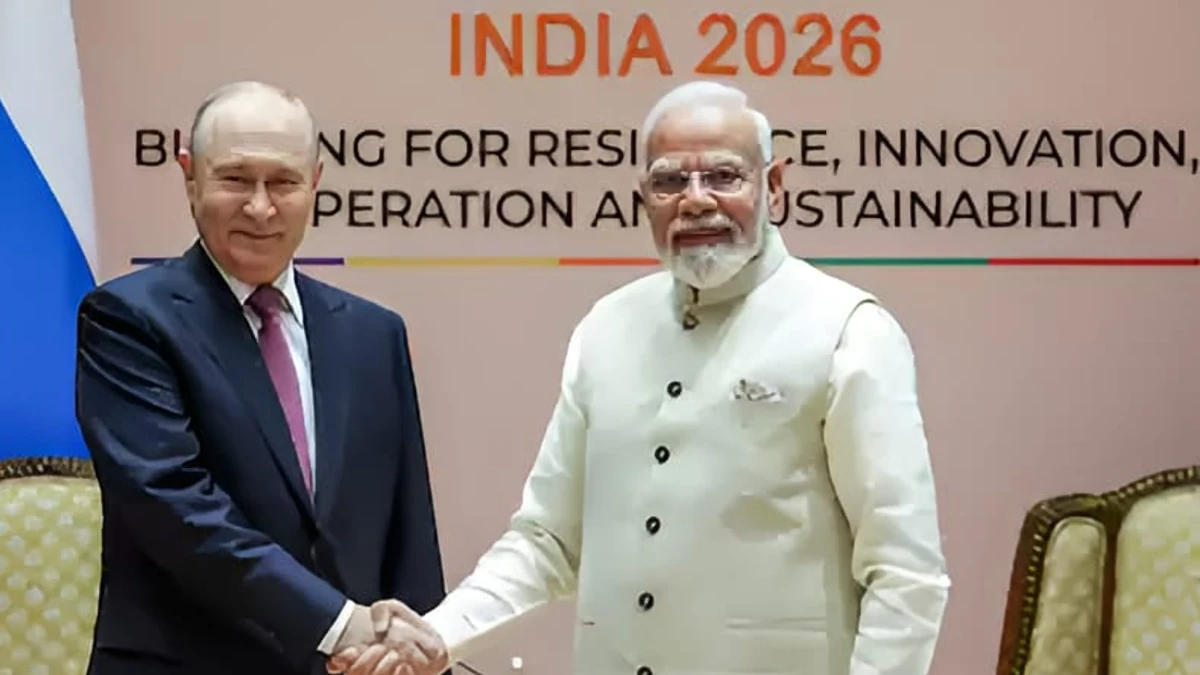
The latest India-Russia nuclear initiative follows Prime Minister Narendra Modi’s meeting with Russian President Vladimir Putin in New Delhi on September 11 on the sidelines of the 18th BRICS Summit. During the meeting, the two leaders reviewed bilateral cooperation in energy, discussed expanding industrial collaboration and reiterated the ambitious target of achieving $100 billion in bilateral trade by 2030, highlighting the growing importance of India-Russia economic and energy security cooperation.
Rosatom expands India-Russia nuclear energy partnership
Speaking during the BRICS Summit, Kirill Komarov, First Deputy Director General for Corporate Development and International Business at Rosatom, said India is rapidly expanding its nuclear energy sector with an ambitious goal of increasing installed nuclear capacity to 100 GW by 2047. He emphasised that Rosatom is already making a practical contribution to India’s nuclear programme as the only foreign company currently constructing a nuclear power plant in the country.
Komarov said Rosatom is prepared to provide India with a broad portfolio of modern nuclear technologies, ranging from large-capacity nuclear power units to advanced small modular reactors. The offer reflects Russia’s intention to deepen the India-Russia nuclear partnership beyond existing projects while supporting India’s energy security through diversified nuclear energy solutions.
Russia eyes Indian specialists for overseas nuclear projects
“There are plans to involve our Indian partners in implementing our projects in third countries,” Rosatom CEO told Sputnik. pic.twitter.com/Dd69pBNBSI
— Sputnik India (@Sputnik_India) September 12, 2026
Rosatom is presently constructing the Kudankulam Nuclear Power Plant in Tamil Nadu, where two nuclear reactors are already operational and four additional units remain under various stages of implementation. Kudankulam Units 1 and 2, based on Russian VVER-1000 reactor technology, were connected to India’s national power grid in 2013 and 2016, respectively, becoming an important pillar of India’s nuclear energy generation.
According to Rosatom, the two operational Kudankulam nuclear units had generated more than 132 billion kWh of electricity since entering commercial operation as of April 2026. Meanwhile, Units 3, 4, 5 and 6 represent the second and third phases of the Kudankulam project and are also based on VVER-1000 nuclear reactor technology, further strengthening India-Russia cooperation in nuclear energy and India’s long-term energy security.
Critical minerals, rare earths and Make in India manufacturing
Beyond nuclear reactors and SMRs, Rosatom is also seeking to expand India-Russia cooperation in critical minerals and advanced industrial materials. The company’s metallurgy businesses have identified titanium, zirconium, hafnium and calcium as important areas for future collaboration, while Rosatom MetalTech is exploring cooperation in rare-earth magnets, consolidated demand for rare-earth products and investments in new production capacities within India.
A concrete milestone under the India-Russia critical minerals partnership has already emerged through Rosatom’s Giredmet Institute and Indian company Alt Metals, which have signed a contract to develop a pilot titanium sponge production facility. The project represents an important step towards combining Russian technological expertise with Indian industrial capabilities in strategic materials essential for advanced manufacturing and energy security.
Shanti Act Act Has Been A 'Very Successful, Timely Initiative' By PM Modi – Rosatom CEO Likhachev
It has put "new blood" in nuclear construction and "you can see the level of localisation of nuclear technologies in India," he adds, predicting even greater cooperation with… https://t.co/Vutyv2iJfu pic.twitter.com/DwDuNnikkm
— RT_India (@RT_India_news) September 12, 2026
Rosatom is simultaneously advancing localisation of sophisticated manufacturing technologies under the broader Make in India initiative. Its additive technologies business is working with Indian partners to establish a complete ecosystem involving technology transfer, turnkey additive technology centres and localisation of advanced equipment manufacturing, creating new opportunities for India-Russia industrial cooperation.
The Russian nuclear energy company also announced that local production of Russian-developed 3D scanners began in India this year, reducing equipment costs for Indian customers by 40 per cent. Rosatom said the locally manufactured products could also qualify for local product status under the Make in India initiative, reinforcing India’s manufacturing ecosystem while expanding access to advanced Russian technology.
With nuclear energy, SMRs, VVER reactors, critical minerals, rare-earth materials and additive manufacturing forming the core of the new engagement, the India-Russia partnership emerging from BRICS 2026 signals a broader effort to transform longstanding strategic cooperation into deeper technological and industrial collaboration, with India’s energy security and nuclear future remaining central to the shared vision.