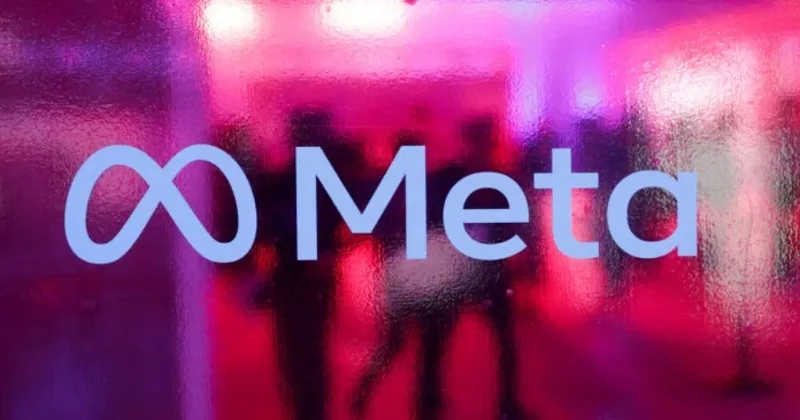
In 2022, Russian courts designated Meta as an “extremist organisation,” and the country subsequently imposed significant restrictions on Facebook, Instagram, X, and other Western social media platforms while simultaneously developing domestic alternatives. Russia has also pursued a sovereign internet strategy to ensure that its internet infrastructure can continue operating independently of the global internet.
China has effectively blocked virtually all major Western social media platforms—including Facebook, Instagram, X, YouTube, WhatsApp, Signal, Telegram, Reddit, and even Wikipedia—while creating powerful domestic alternatives. Many other countries have also taken steps to regulate social media. Australia, Indonesia, Malaysia, the UAE, Greece, Poland, Slovenia, and Turkey require users to be at least 15 or 16 years old to access certain social media platforms. Norway, Spain, and several other countries are considering similar legislation. Pakistan blocked YouTube for nearly three years until it complied with the country’s legal requirements, while Brazil blocked X until it complied with court orders. These are just a few examples of nations asserting their digital sovereignty.
It remains to be seen what firm action Bharat will take unless there is a satisfactory explanation for why the speech of Bhrat’s democratically elected Prime Minister was blocked while, at the same time, pages containing gross and vile abuse directed at the Prime Minister were allowed to remain online freely—and whether platform algorithms even promoted such content.
Big Tech companies are commercial enterprises. It is therefore extraordinary that Bharat —or any sovereign nation—would allow private corporations to determine what information may be viewed, what should be censored, and what content should be promoted. It is widely alleged by critics that some of these companies have, many times, aligned with Western geopolitical interests, including through content moderation practices. Whatever one’s view, many countries have responded by regulating, restricting, or, in some cases, banning certain platforms.
Bharat, with a population of over 1.4 billion people and more than one-fifth of its population under the age of 25, constituting more than 20% of voters, faces a unique challenge. For many young people, social media has become their primary source of information. This creates an enormous vulnerability if these platforms are used to influence public opinion or shape political narratives, as critics have argued during recent public protests and other major events.
What is perhaps most concerning is Bharat’s apparent lack of preparedness despite witnessing the growing influence of social media in spreading unrest in neighboring countries such as Nepal, Bangladesh, and Sri Lanka. Bharat spends billions of dollars strengthening its external security, yet there appears to be no equally robust national strategy to address information warfare targeting the minds of its youth. Young people increasingly consume news through digital platforms rather than television or newspapers.
Today, information—not just military power—has become a strategic weapon capable of influencing elections, shaping public opinion, and advancing foreign interests. The Ministry of Electronics and Information Technology has an enormous mandate, but there appears to be no dedicated institution within Bharat’s broader national security architecture tasked with continuously monitoring information warfare, identifying emerging threats, and recommending timely policy responses. Such an organization should be staffed with highly capable young professionals possessing expertise in technology, artificial intelligence, cybersecurity, psychology, and information operations.
Reactive measures, such as temporarily blocking the internet or restricting social media platforms only after unrest has erupted, while doing little during the period in which misinformation or inflammatory narratives are spreading, can often intensify public anger rather than resolve underlying problems. Critics have pointed to developments in neighboring countries as examples of this challenge.
Overlooking perceived violations of a nation’s information sovereignty in the hope of maintaining favorable relations with Western countries for technology or other strategic reasons could prove to be a costly mistake. International relations are fundamentally driven by national interests, and Western nations themselves have enacted numerous laws and policies to safeguard their own technological, economic, and security interests.
As Bharat’s first Chief of Defence Staff, General Bipin Rawat, observed, Bharat faces a “2.5-front war.” Increasingly, that “half front” represents information warfare. Ignoring the realities of modern digital technology and its influence over public opinion could have profound long-term consequences for national security.
At the same time, this challenge presents an opportunity. As more countries begin viewing dependence on foreign Big Tech platforms as a strategic vulnerability, Bharat could position itself as a global provider of trusted digital infrastructure. Just as Bharat developed digital public infrastructure such as UPI, it could create scalable, sovereign social media and communication platforms that other countries could adopt, customize, and operate according to their own legal frameworks—perhaps through a licensing or partnership model.
There are numerous possibilities if Bharat harnesses the creativity of its young innovators. Just as the country unlocked remarkable achievements by empowering startups in the space sector, it should similarly channel entrepreneurial talent toward building secure, world-class digital platforms that serve both Bharat’s national interests and those of friendly nations.