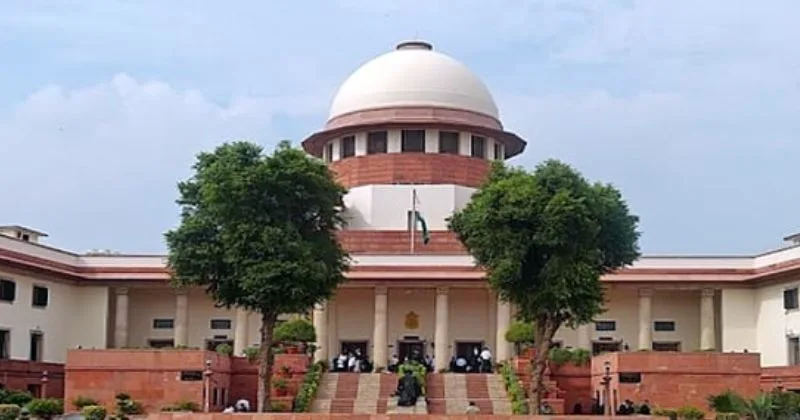
In a significant observation with far-reaching implications for adolescent rights and the application of child protection laws, the Supreme Court on Monday questioned the routine invocation of the Protection of Children from Sexual Offences (POCSO) Act in cases involving consensual elopement of teenagers. A bench comprising Justices B V Nagarathna and R Mahadevan asked pointedly: “Can the State prevent the elopement of a girl and a boy?”
The remarks came during the hearing of a suo motu case concerning the right to privacy of adolescents and the alleged misuse of the stringent POCSO provisions, especially when parents file complaints primarily to safeguard family “honour” following teenage relationships.
Age of Experimentation vs Criminal Liability
Observing that adolescence (particularly the 15-18 age group) is a “vulnerable phase” marked by natural curiosity and experimentation, the bench remarked: “It’s the age of experimentation. The question is, does it really become a POCSO case?”
The court noted a recurring pattern in such matters — teenagers develop relationships, elope or leave home, and parents respond by initiating criminal proceedings under POCSO, often leading to eventual acquittals. “Parents, to protect their honour, fasten criminal liability. We have to acquit,” the bench observed.
Senior advocate Madhavi Divan, assisting the court as amicus curiae, informed the bench that the proceedings originated from a case involving a minor girl who had eloped with a 25-year-old man. The couple later had a child and the girl expressed happiness in the relationship. Divan submitted a strong report highlighting systemic failures in handling POCSO matters and emphasised the need for rehabilitation measures for minors as provided under the law.
Background: From Controversial HC Order to SC Scrutiny
The case traces its roots to a 2023 Calcutta High Court judgment that had controversially advised adolescent girls to “control” their sexual urges. The Supreme Court set aside that order in 2024 and initiated broader proceedings to examine adolescent privacy, consent, and the application of POCSO in consensual relationships.
The bench recalled that such relationships existed even before the age of consent was raised from 16 to 18 years in 2012 through the Criminal Law (Amendment) Act. “It’s not that these cases started only after 2012. They existed even earlier, just like child marriages. Once the age of consent became 18, such relationships came within the ambit of the law,” the court noted.
Suggestions for Safeguards and Monitoring
Divan stressed the importance of greater sensitisation among young people and the adoption of measures for adolescent well-being alongside child protection. She also suggested the creation of a dashboard to monitor POCSO cases.
The bench, however, observed that every High Court already has a child rights committee and suggested that monitoring could be better handled by state governments rather than the Centre. Appearing for the Union government, a law officer informed the court that the government has prepared recommendations for implementation across states and Union Territories.
The matter has been listed for further hearing on July 17.
The Supreme Court’s observations assume importance amid rising concerns over the misuse of protective laws in personal and family matters. While POCSO remains a vital tool against sexual exploitation of minors, experts and the judiciary increasingly highlight the need to distinguish between genuine cases of assault and exploitation versus consensual relationships among adolescents close to the age of majority.