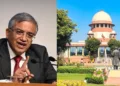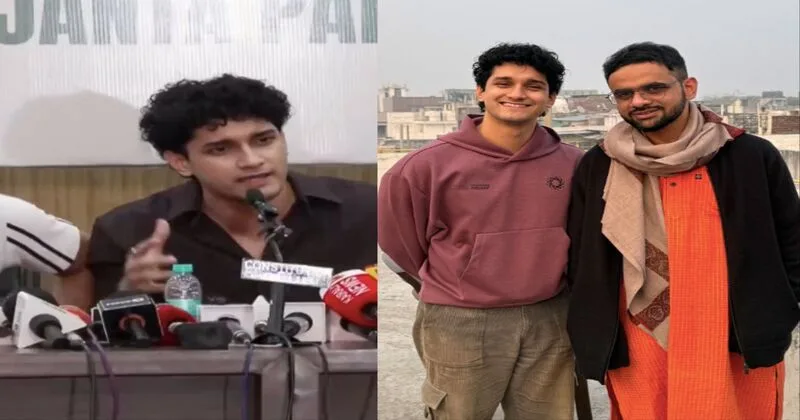
The appointment of Saurav Das as the Chief Spokesperson of the Cockroach Janata Party (CJP) has brought renewed attention to his record of public commentary on some of India’s most contentious political, constitutional, and national-security issues.
Exposing the Cockroach Janata Party, and every member that constitutes this fad carries an Anti-India mindset.
Meet Saurav Das – the newly appointed Chief Spokesperson of CJP.
Your Article 370 tweet is naked anti-India venom.
SC upholds full integration of J&K → you scream… pic.twitter.com/FameuPVkiE
— Sandiip Gandotra (@sandiipgandotra) June 4, 2026
Over the years, Das has emerged as a vocal commentator on topics ranging from the abrogation of Article 370 and the Ayodhya verdict to the incarceration of Umar Khalid, India’s military operations against Pakistan-backed terrorism, and debates surrounding Islamist extremism.
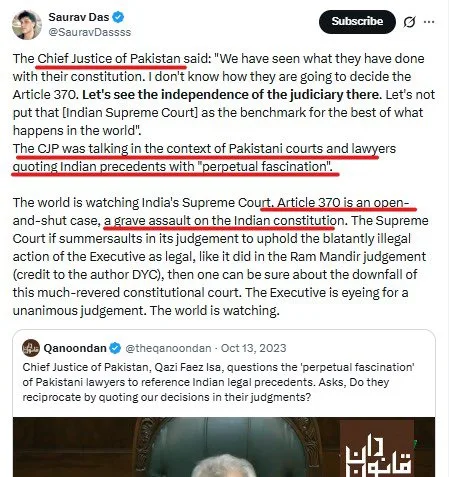
Article 370: Opposition to J&K’s Full Integration
One of the most controversial aspects of Das’s public record concerns his response to the Supreme Court judgment upholding the constitutional validity of the abrogation of Article 370. For millions of Indians, the removal of Article 370 represented the completion of J&K’s constitutional integration with the rest of India. The decision was celebrated by supporters as the end of a temporary constitutional arrangement that had long been viewed as an obstacle to national unity. Das publicly criticised the judgment and expressed concern regarding its implications for democracy and constitutional governance. His critics argue that such criticism ignored the national-security concerns that had historically surrounded Article 370 and failed to acknowledge the democratic mandate behind the policy.
Support for Umar Khalid and the Debate Over the Delhi Riots
Another recurring point of controversy has been Das’s support for former student activist Umar Khalid. Das has repeatedly questioned Khalid’s continued incarceration and participated in campaigns advocating for his release.
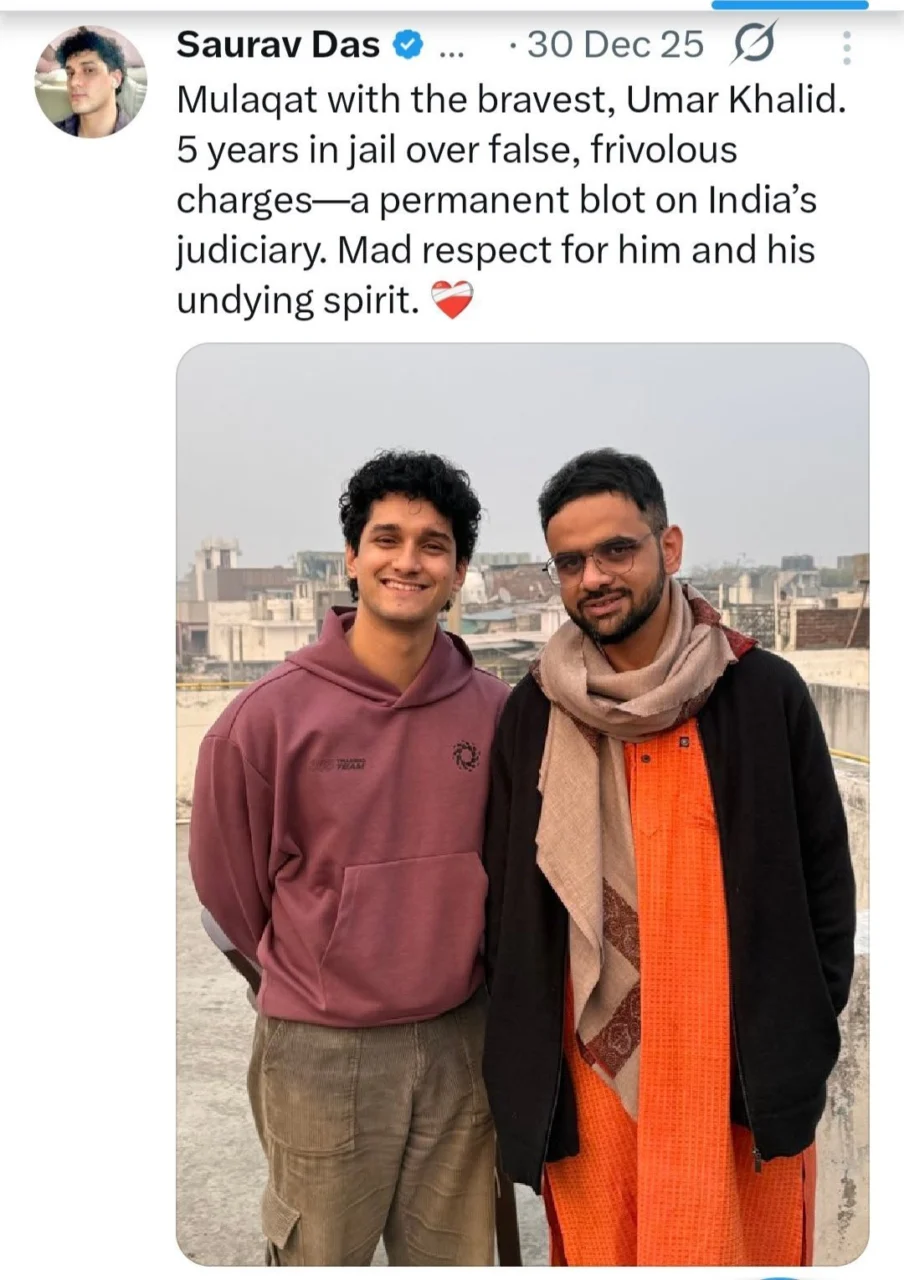
He has used social media platforms and public discussions to raise concerns regarding the legal proceedings against him. Das’s interventions focus heavily on the rights of accused individuals while paying comparatively less attention to the victims of the violence.
Ayodhya and the Ram Mandir Verdict
The Supreme Court’s verdict in the Ayodhya dispute was widely celebrated by Hindus across India and the world. Many viewed the judgment as the culmination of a centuries-long struggle to reclaim what they consider the birthplace of Bhagwan Ram. Das’s criticism of the verdict attracted significant backlash from those who saw the decision as a long-overdue correction of a historical grievance. His position reinforced perceptions that he is often more sympathetic toward narratives of minority grievance than toward Hindu concerns.
Pahalgam Attack and the Debate Over Islamist Terrorism
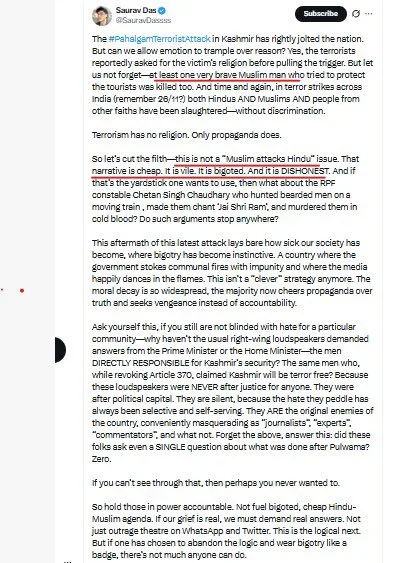
The terrorist attack in Pahalgam generated nationwide outrage and renewed discussions about the ideological motivations behind terrorism. Das faced criticism for a commentary that opponents interpreted as an attempt to separate the attack from broader debates about Islamist extremism.
Operation Sindoor and National Security
Operation Sindoor became another flashpoint in debates surrounding Das’s public commentary. Following India’s military response to terrorism and cross-border threats, Das expressed concerns about escalation and rhetoric directed toward Pakistan. The controversy further strengthened perceptions among his critics that Das is frequently at odds with mainstream nationalist opinion.
Criticism of Military Institutions
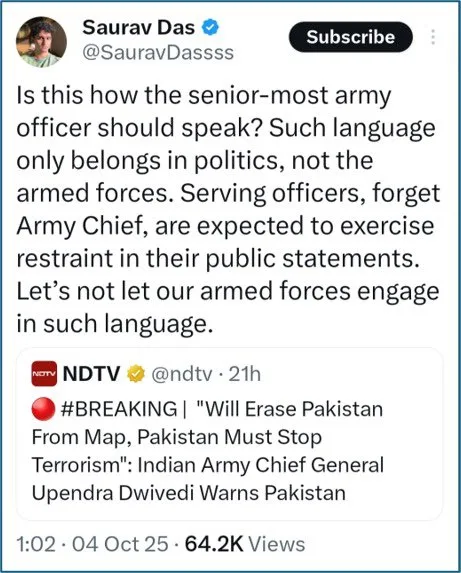
Das has also faced backlash over remarks concerning military leadership and the armed forces. For many Indians, the military remains one of the most trusted institutions in the country. Das’s commentary appeared dismissive of military service and failed to appreciate the sacrifices made by soldiers in defending India’s borders and combating terrorism.
Social Media Activism and Information Controversies
Das’s social media activity has frequently generated debate. Critics accuse him of amplifying narratives that portray Hindus or Hindu organisations negatively while giving less attention to incidents involving Islamist extremism. Some of his posts have been challenged by political opponents who argue that they relied on disputed claims or incomplete information. These controversies have become part of a broader discussion about misinformation, political polarisation, and the responsibilities of public commentators in the digital age.
Why Saurav Das Remains a Polarising Figure
Few contemporary political commentators generate as much disagreement as Saurav Das. He symbolises a strain of politics that appears consistently sceptical of Indian nationalism, dismissive of Hindu civilizational concerns, and insufficiently attentive to national-security threats. As he assumes a larger public role as CJP’s chief spokesperson, scrutiny of his past statements is likely to intensify. His positions on Article 370, Ayodhya, Umar Khalid, Pakistan, terrorism, and national identity will continue to shape public perceptions of both him and the political movement he now represents.
The debate surrounding Saurav Das reflects larger ideological conflicts within contemporary India. Questions surrounding nationalism, secularism, constitutional rights, religious identity, and national security remain deeply contested. Whether one views Das as a principled dissenter or a controversial political activist, there is little doubt that his public commentary has made him one of the most polarising figures in India’s political discourse.