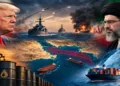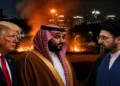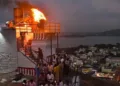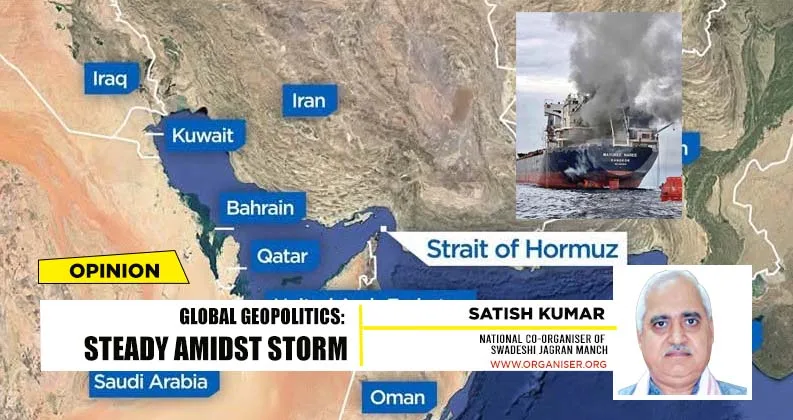
The whole world is in a pickle, yet Bharat seems to be in a comfortable position. If the oil from Hormuz dries up, 40 per cent of our oil supply would be at risk, yet the Americas and Russia would provide a delayed-delivery but comfortable alternative. While the previous statement in panacea let us put it in the context of the current global scenario, as the strikes of Operation Epic Fury and Operation Roaring Lion light up the dark skies over Isfahan and Jerusalem, the global community has been propelled into a state of geopolitical anxiety. In this era of pre-emptive warfare, the global order has capsized, and what’s left is individual nations fending for themselves. This culminates in the calculative redrawing of regional power balances; the world is witnessing a dramatic contrast between escalating chaos and calibrated leadership. While traditional powers struggle to find their footing amidst 2,500 bombs dropped across 131 Iranian cities in a mere 30 hours, Bharat seems to have found its footing in balancing powers punctuated by the leverage of silence. The ongoing conflict in West Asia, triggered by the assassination of Iran’s Supreme Leader Ayatollah Ali Khamenei, is not a distant event; it is a direct test of Bharat’s national resilience. Today, we have transitioned from a passive recipient of global shocks to a proactive architect of its own destiny. By prioritising a “supply security first” doctrine, Bharat is showing the world how a modern sovereign power leads through a security is non-negotiable.
The Energy Sovereignty
The sudden surge in Brent crude past the $100 per barrel, marking a jump of over 10 per cent in a single day, would have shattered the fiscal math of the decades bygone. Today, however, we have met the storm with a resilient economy. Despite an oil import dependency of over 88 per cent, our energy diplomacy and domestic price management have blunted the inflationary impact. Every $10 rise in crude prices typically widens Bharat’s current account deficit by 0.4 per cent of the GDP and adds billions to the annual import bill. To counter this, we have taken several steps, such as petrol and diesel prices have effectively been flat since April 2022. This continued freeze is expected to blunt the inflationary impact on the common man. Recognising that over 80 per cent of LPG imports pass through the now-stalled Strait of Hormuz, the government invoked emergency powers under the Essential Commodities Act. This directs refiners to maximise LPG production solely for domestic households, ensuring that the Bharatiya kitchen remains insulated from Persian Gulf geopolitics. Further, Bharatiya refiners are rapidly increasing purchases from non-Hormuz regions, utilising 6-8 weeks of existing crude and fuel stocks while replenishing them through diversified international suppliers, including Russian crude already in tankers on water. While the Ministry of Finance noted that oil prices remaining above $100 could strain macroeconomic aggregates, Bharat’s inflation remains near the lower bound, and the impact is currently estimated not to be substantial.
The Strait of Hormuz
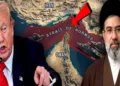
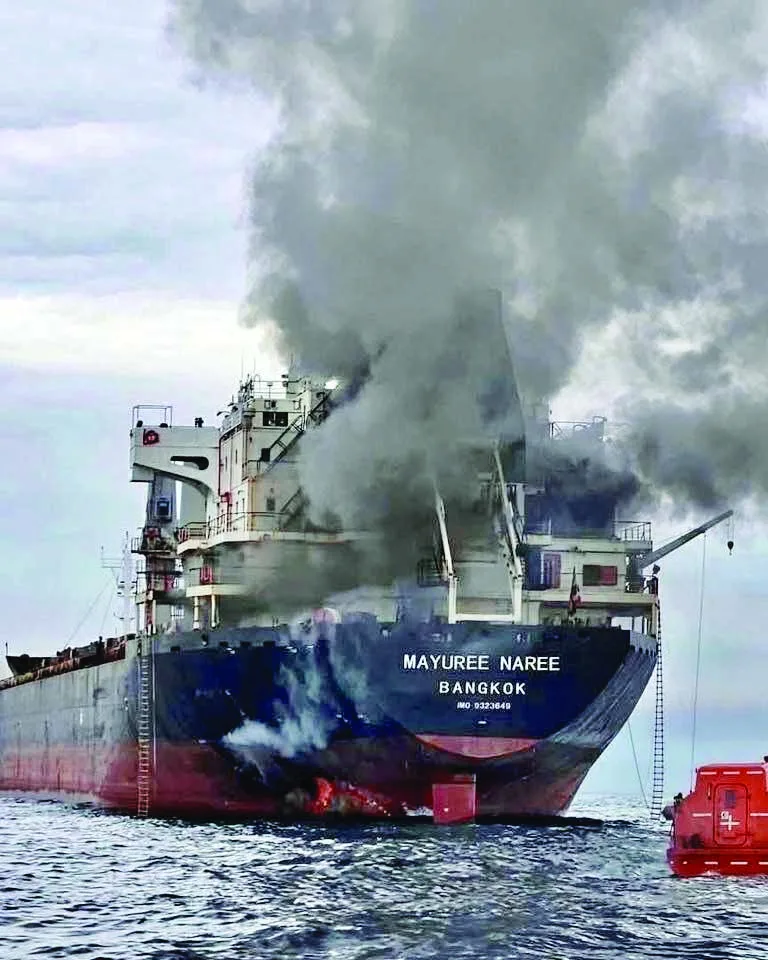
The Strait of Hormuz is the world’s most critical oil transit chokepoint, handling approximately one-fifth of global liquid petroleum consumption and LNG trade. With Iran retaliating asymmetrically and warning vessels not to transit today, the global economy faces a structural risk. Approximately 15 million barrels of crude pass through it daily, and even with bypass pipelines, 9 million barrels per day would remain structurally at risk if the Strait is closed. In this high-risk environment where major maritime insurers like Lloyd’s are cancelling war risk insurance and coverage, we have sought alternatives, such as finished fertilisers continue to move through the Suez Canal, the Red Sea, or the Cape of Good Hope instead of Hormuz. By maintaining a principled middle path, Bharat has preserved its status as a nation that can engage all sides. We have asserted our right to form independent judgements based on the merits of each issue, perhaps a modern evolution of the doctrine of non-alignment first articulated at Independence.
The Vishwa Mitra
With nearly 9 million Bharatiyas living and working across the Arab Gulf states, their safety is the overriding concern for New Delhi during the present crisis. These citizens remit approximately $40 billion annually, accounting for 55 per cent of Bharat’s total remittances and contributing 3.4 per cent to our GDP. The proactive engagement of our diplomats with Gulf monarchies ensures that the security and prosperity of Bharat and Arabia remain indivisible. Although managing this deep interdependence is one of New Delhi’s enduring challenges, the path has been trodden with diplomatic brilliance.
Unfolding war has sparked a debate regarding Bharat’s perceived tilt. However, what these observers fail to see is that Bharat’s current approach is the ultimate realisation of strategic autonomy. We maintained a vital strategic partnership with Israel while simultaneously acknowledging our civilisational and geoeconomic stakes in Iran. While Iran has historically provided Bharat with discounted oil, a base for covert operations, and the critical Shahid Beheshti terminal at Chabahar, which serves as a necessary counterweight to the Pakistan-China Gwadar Port, it becomes imperative for Bharat that, while we did not condone the strikes publicly, we did, however, express condolences on Ayatollah Ali Khamenei’s death. Further, by deepening ties with the Arab Gulf states, Bharat has moved beyond offering a running moral commentary on world affairs to becoming a decisive participant. For the tilted to one side narrative does not hold much water to it, since it relies on the mental maps of the past. Today, Bharat claims the right to assess a situation independent of bias to any erstwhile bloc, which effectively shattered under the multi-polar world order.
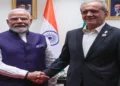
Further, one could argue that, while we all could provide commentary, renegading the core historical manual of Bharat’s posturing to global events, one should be mindful that what happens under the shrouds of tangled diplomacy is an ongoing process which often requires a realpolitik perspective rather than the politics of what ought to be. Perhaps, this is an era where we get to actualise the Vishwa-Mitra concept, where the ability of our Prime Minister to hug President Putin as well as President Zelensky within a span of weeks amidst the Russia-Ukraine conflict serves us better than bandwagoning to either of the warring sides. In the contemporary world where war rages and the Rupee dangles at the 100 per-dollar cliff, the Peacock remains poised. As a nation that understands security, sovereignty, justice, and prosperity are inalienable public goods, Bharat is more than surviving the West Asian storm; it is showing the world how to lead through it.