BENGALURU: The Karnataka government has acknowledged that several universities in the state are conducting recruitment for teaching posts in violation of rules laid down by the University Grants Commission (UGC) and the state government’s reservation policies. The admission was made by Higher Education Minister MC Sudhakar while responding to a question raised in the state legislature.
The minister also revealed that nearly 3,000 teaching posts and about 6,000 non-teaching posts remain vacant across universities in the state. In addition to the large number of vacancies, several universities are facing a shortage of basic infrastructure and administrative resources.
The information came to light in response to a starred question raised by Legislative Council member Govindaraju during the ongoing budget session of the Karnataka Legislature in Bengaluru. The question sought details about the number of vacant posts and infrastructure deficiencies in universities across the state.
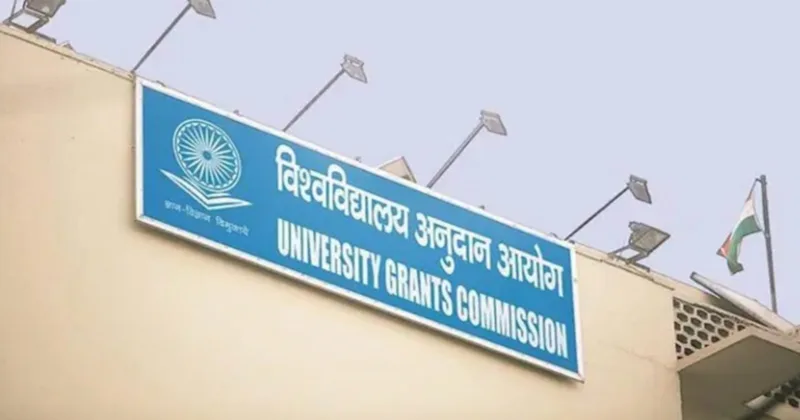
According to the Higher Education Department, universities are required to follow the UGC Regulations 2018, issued through a notification dated July 18, 2018, while recruiting faculty and non-teaching staff and while processing promotions. These regulations specify minimum qualifications, recruitment procedures and service conditions to ensure uniform standards in higher education institutions.
However, the minister admitted that many universities have failed to comply with these regulations, as well as the reservation policies and various government orders, circulars and guidelines issued from time to time.
Due to such violations, several objections have been raised before courts, the Public Accounts Committee and other statutory legislative committees. The irregular recruitment processes have also triggered complaints and legal challenges in various forums.
To prevent such irregularities, the government has now initiated steps to standardise recruitment procedures in all public universities. The Higher Education Department is working to establish clear guidelines regarding eligibility criteria, service conditions and procedures for the appointment of faculty and other academic staff. The aim is to maintain uniformity in recruitment and protect the quality of higher education in the state.
The department further clarified that the state government has already framed rules based on the UGC Regulations 2018, after obtaining the approval of the Finance Department, Parliamentary Affairs and Legislative Department and the Law Department. These rules have also been approved by the universities’ Chancellors.
Meanwhile, the government has allowed recruitment for a limited number of posts in certain universities. These include 31 teaching posts at Adikavi Maharshi Valmiki University, eight posts at Karnataka Janapada University, and 20 posts at Bangalore University.
Similarly, approval has been granted to fill non-teaching posts at several universities, including 10 posts at Davangere University, one post at Karnataka Sanskrit University, and 17 posts at Karnataka Janapada University.
The department also disclosed that nearly 70 per cent of posts remain vacant across the state’s 32 public universities, with some institutions reportedly functioning with almost 100 per cent vacancies in certain departments. Such a large number of unfilled positions has raised serious concerns about the functioning and academic quality of universities.
For example, the University of Mysore currently has 391 vacant teaching posts and 396 non-teaching posts. Similarly, Mandya University has 92 teaching and 253 non-teaching vacancies, while Karnataka State Open University in Mysuru has 65 teaching and 310 non-teaching posts lying vacant.
Other universities facing significant staff shortages include Gulbarga University, Kuvempu University, Mangalore University, Tumkur University and Visvesvaraya Technological University.
In addition to staffing shortages, the government has also acknowledged that several universities lack adequate infrastructure and administrative resources.
To address these issues, the state government has formed a Cabinet sub-committee headed by Deputy Chief Minister DK Shivakumar. The committee has been tasked with reviewing the financial condition of public universities and recommending measures to strengthen them.
The sub-committee is expected to submit a detailed report to the Cabinet, based on comprehensive data compiled by the Higher Education Department on vacancies, infrastructure gaps, and the financial status of universities.
Officials believe that the report will help the government take long-term decisions aimed at improving the functioning of public universities and ensuring better academic standards across the state.