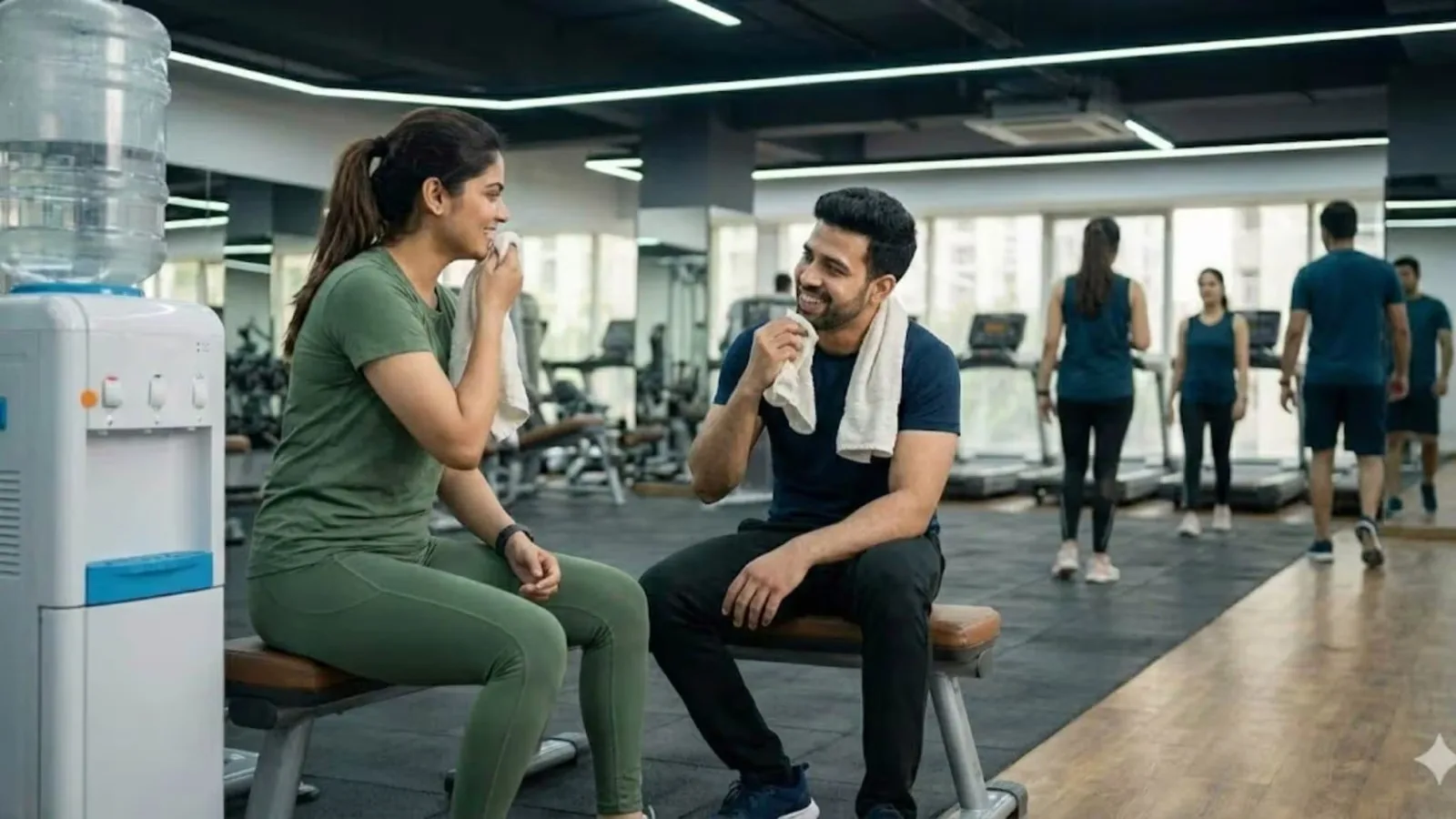
The National Human Rights Commission (NHRC) has initiated a nationwide review of gyms and fitness centres following a series of complaints alleging sexual harassment of women, girls and teenagers across several states. Terming the incidents a grave violation of human rights, the Commission has issued notices to the Chief Secretaries of all states and Union Territories, seeking comprehensive reports on the regulation, licensing, and monitoring of such establishments. The Ministry of Youth Affairs and Sports and the Sports Authority of India (SAI) have also been directed to furnish details of existing national guidelines and oversight mechanisms governing the fitness sector.
According to information placed before the Commission, multiple complaints have surfaced in recent months involving alleged misconduct by trainers who are accused of misusing their position of trust and authority. The complaints reportedly involve women and underage girls who frequent gyms and fitness centres. While the NHRC has not specified the exact number of cases in its notice, it acknowledged that several incidents have been reported from different parts of the country. The Commission also observed that many cases may remain unreported due to fear, social stigma and pressure faced by victims, indicating that the actual scale of the problem could be larger than documented.
The Commission has expressed concern that the absence of structured grievance redressal systems in many fitness establishments has further aggravated the issue. In several states, there are no uniform or standardised norms governing the establishment and operation of gyms. This regulatory vacuum, the NHRC noted, has allowed fitness centres to operate without clear accountability. Trainers are often hired without mandatory certification or thorough background verification, increasing the risk of individuals with questionable credentials gaining access to women and minors in vulnerable settings.
Through its notices, the NHRC has sought detailed information from state authorities on the number of licensed gyms operating within their jurisdiction, the rules and procedures for granting licences, mandatory qualifications required for trainers, and whether background checks are conducted prior to employment. The Commission has also asked states to provide data on complaints received against gym operators or trainers, the nature of those complaints, and the action taken in each case. Additionally, it has sought clarity on whether dedicated complaint mechanisms, helplines or monitoring systems are in place to address allegations of harassment or misconduct.
Beyond safety concerns, the NHRC has also flagged serious health risks associated with the largely unregulated fitness industry. The Commission observed that several gyms are allegedly selling food supplements and performance-enhancing products without proper approvals or quality checks. Incorrect training techniques and the unsupervised consumption of supplements, particularly among teenagers and young adults, have reportedly resulted in hormonal imbalances and other physical complications. States have been asked to specify the steps being taken to regulate the sale of supplements within fitness centres and the action initiated against violators dealing in illegal or uncertified products.
In its communication to the Ministry of Youth Affairs and Sports and the Sports Authority of India, the NHRC has sought details of any national-level framework that governs the functioning of gyms and training centres. The Commission emphasised that institutions meant to promote physical fitness and well-being must not become spaces of exploitation or insecurity. It underlined that safeguarding women and children in such environments is a fundamental obligation of authorities.
Based on the responses received from states and central agencies, the Commission may recommend the introduction of uniform national guidelines to regulate gyms and fitness centres. Proposed measures could include mandatory certification and accreditation standards for trainers, compulsory background verification, installation of CCTV cameras in common areas, establishment of dedicated complaint redressal systems, increased representation of female trainers, and periodic inspections by authorities.
Reiterating the need for a zero-tolerance approach towards harassment and misconduct, the NHRC has urged state governments to take immediate corrective steps. The Commission’s intervention marks one of the most extensive examinations of the gym and fitness sector in recent years. As state governments compile data on the number of cases reported, the list of complaints received, and enforcement measures taken, the findings could shape future policy decisions aimed at making fitness spaces safer and more accountable across the country.