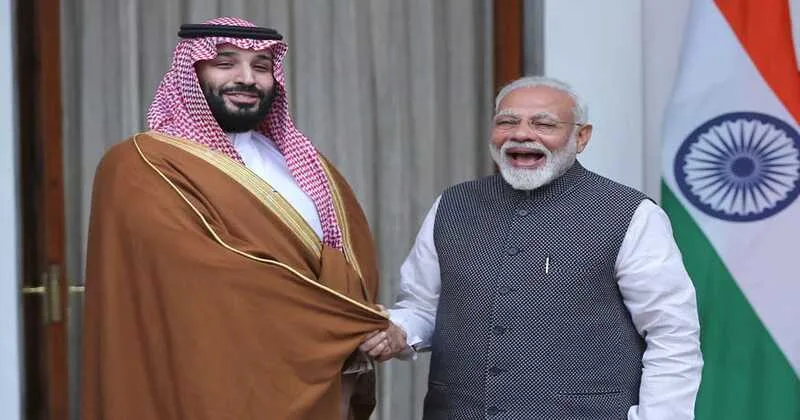
New Delhi: In a major diplomatic and economic push, Prime Minister Narendra Modi has moved decisively to elevate India’s engagement with the Gulf, with long-stalled negotiations for an India–Gulf Cooperation Council (GCC) Free Trade Agreement (FTA) finally back on track after nearly two decades.
India and GCC representatives have signed a formal roadmap, known as the Terms of Reference, to restart comprehensive trade talks, laying the foundation for a potential breakthrough in relations with the six-member bloc comprising Saudi Arabia, United Arab Emirates, Qatar, Bahrain, Kuwait and Oman.
The relaunch was formalised at a ceremony in New Delhi led by Union Commerce and Industry Minister Piyush Goyal and GCC Chief Negotiator Raja Al Marzooqi. Negotiations between India and the GCC were previously held in 2006 and 2008 but were later frozen by the bloc, bringing progress to a standstill. Officials say sustained diplomatic outreach under the Modi government has now helped revive the process, coming close on the heels of India’s recent trade engagement with the United States. India already has bilateral trade agreements with the UAE and Oman, and policymakers believe extending similar arrangements across the wider GCC could significantly deepen cooperation, particularly in energy, manufacturing, and investment. The Gulf remains a critical source of crude oil and natural gas for India, while New Delhi is looking to expand exports of textiles, electrical machinery, steel and iron products, jewellery, and chemicals.
Trade between India and GCC countries touched about $178 billion in the last fiscal year, underscoring the economic weight of the relationship. The proposed FTA is expected to further accelerate trade flows, attract large-scale Gulf investments, and strengthen supply chains across key sectors.
Riyadh investment talks run parallel to GCC deal
Parallel to the GCC-wide talks, India is also pursuing a separate investment-focused dialogue with Saudi Arabia. Officials have clarified that negotiations with Riyadh will remain distinct from the broader GCC agreement, with the primary objective of unlocking higher Saudi capital inflows into India. Some issues, however, remain under discussion, including Saudi Arabia’s request for Most Favoured Nation status and a dedicated mechanism for resolving investment disputes. New Delhi is understood to be weighing these demands carefully while preparing for further rounds of talks.
Beyond trade and investment, the agreement is also expected to benefit the Indian diaspora in the Gulf, estimated at over one crore people, by fostering stronger economic integration and potentially creating new employment opportunities back home. If concluded, the India–GCC FTA could mark one of the most consequential trade partnerships in India’s recent history, reshaping its economic engagement with the Middle East and reinforcing Modi’s broader strategy of positioning India as a central player in global commerce.