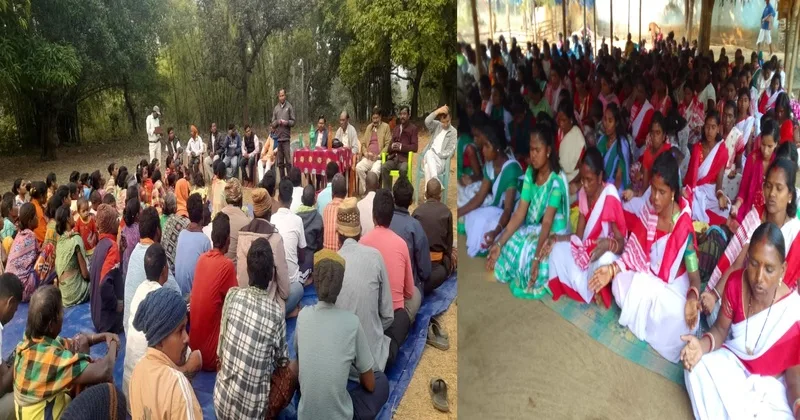
BHUBANESWAR: In a significant socio-cultural development, 151 men and women from 30 Vanvasi families in Odisha’s tribal-dominated Mayurbhanj district have returned to their ancestral faith through a traditional ghar wapsi (homecoming) ceremony. These families, belonging to the Santhal, Ho, and Gond tribal communities, had previously converted to Christianity for various reasons. The homecoming program took place on Sunday, January 4, in villages within the Thakurmunda block of the district.
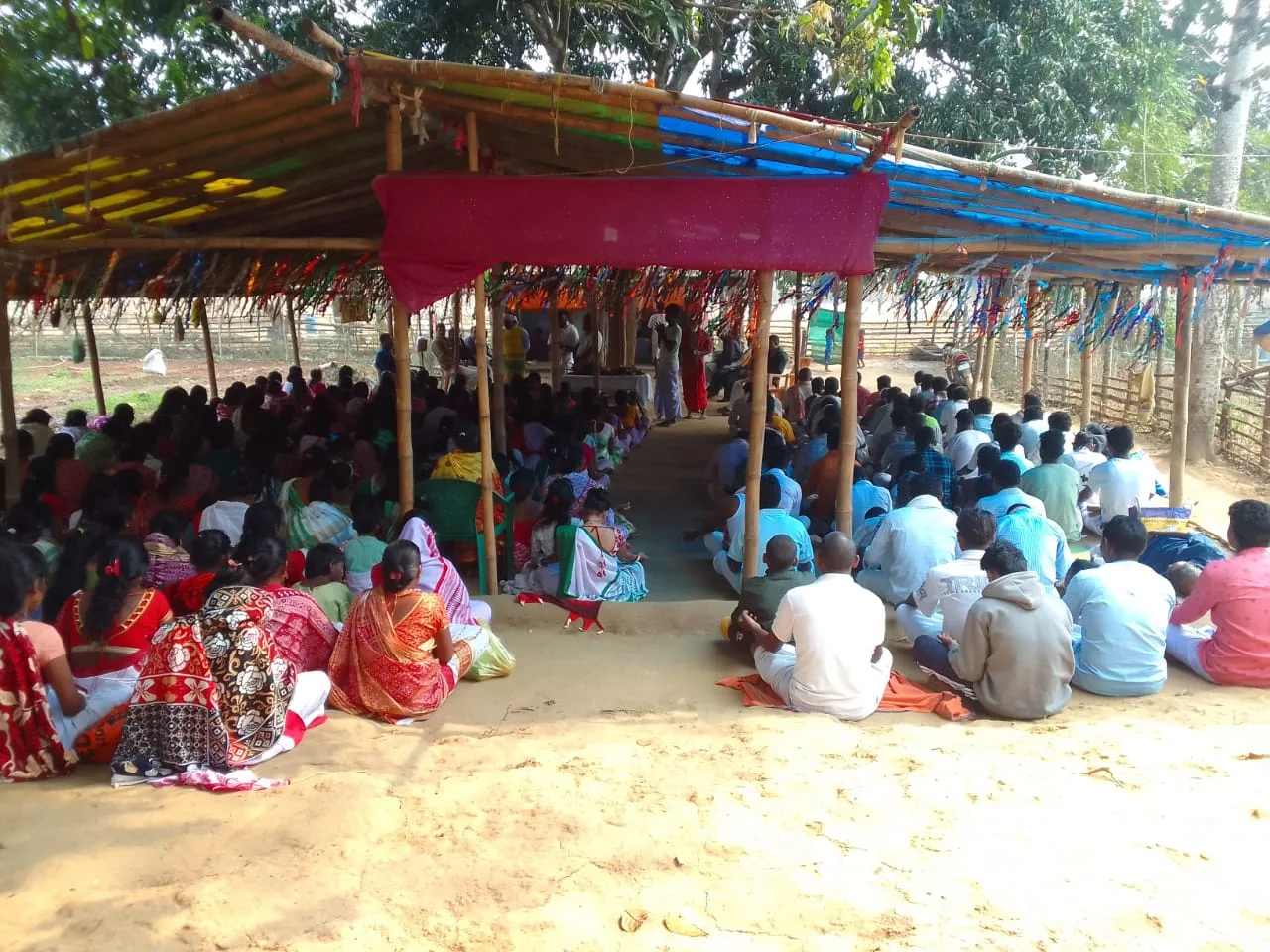
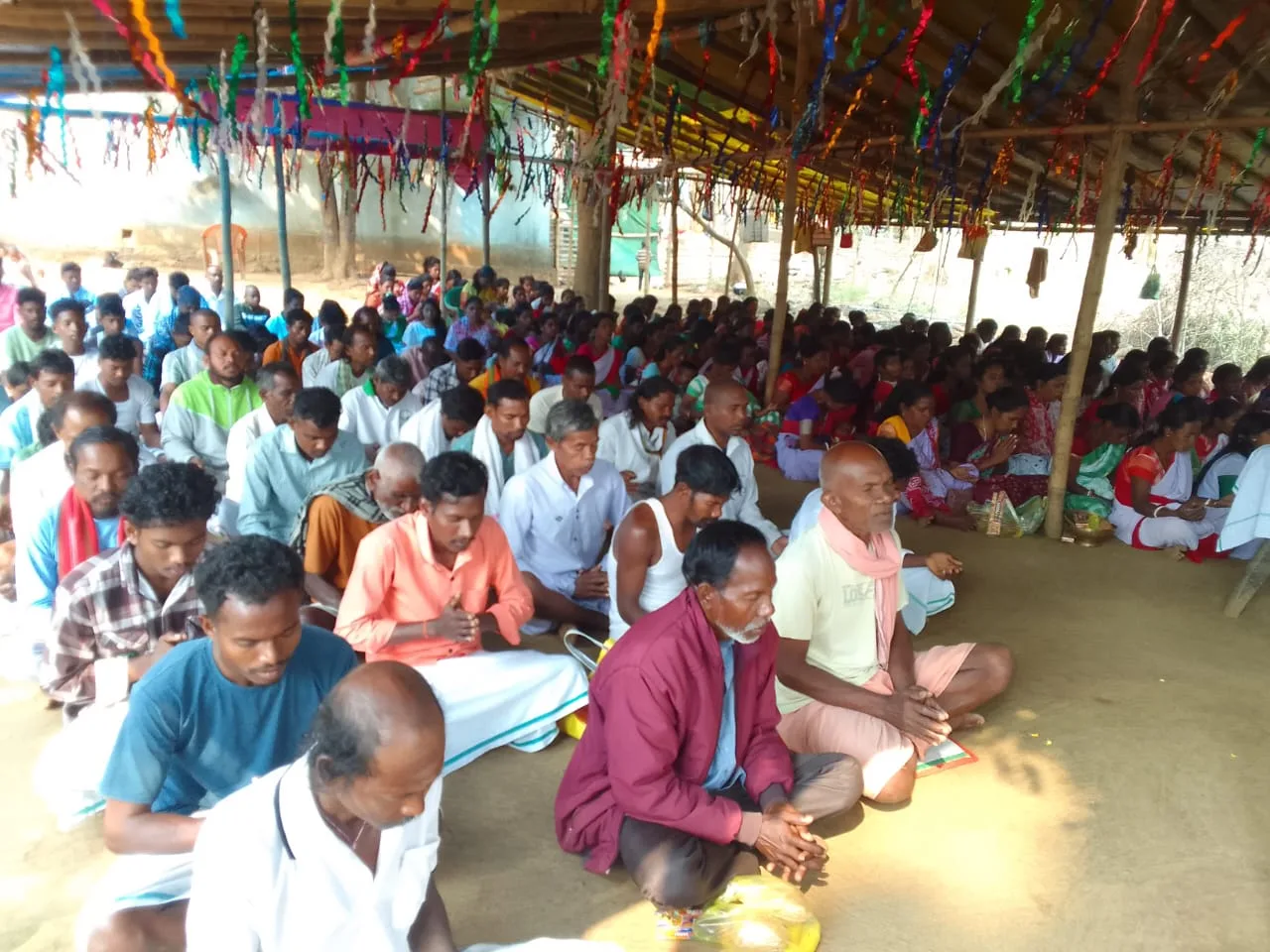
The Ghar Wapsi event drew hundreds of tribal men and women from nearby villages. Community members warmly welcomed those returning to their ancestral faith, celebrating the occasion with traditional rituals and customs. The Ghar Wapsi program was held across the villages of Bagdafa, Jamnanda, and Dangadihia, where participants gathered to express solidarity and cultural unity.
According to the returning families, they had distanced themselves from their original culture and traditions several years ago due to the influence of Christian missionaries. They reported that misleading health and well-being claims were a key factor in their decision to convert. When some family members faced serious illnesses, pastors assured them that adopting Christianity would cure their ailments. Trusting these assurances, they embraced Christianity.
However, the families reported that after conversion, they experienced profound social and cultural alienation. They became disconnected from their community and could not participate in traditional festivals, rituals, and social practices. Over time, this separation from their roots led to mental distress and a sense of loss. They gradually realised they were not only distancing themselves from their traditions but also from their own people and ancestral identity.
Banshidhar Kalundia, a prominent figure among those who returned to their native faith, noted that during this period, activists from Vanvasi Kalyan Ashram and Janjati Suraksha Manch maintained constant communication with them. Through ongoing dialogue, the activists explained that health-related problems do not require religious conversion and can be addressed through proper medical treatment and awareness. They emphasised that conversion, often presented as a means of relief or healing, can sever tribal communities from their ancestral culture and traditions. After understanding these facts, the families collectively decided to return to their native faith and thus undertook Ghar Wapsi. Kalundia expressed that they now feel proud and satisfied to reconnect with their ancestral traditions.
Local activist Shiba Prasad Hembram, who has been active in the area, raised concerns about illegal religious conversions in the state. He noted that while Odisha has laws to prevent unlawful conversions, their enforcement remains weak. This, he argued, has allowed missionary groups to continue converting tribal people through false promises and inducements. Hembram urged the state administration to strictly enforce existing laws to prevent further attempts to uproot tribal communities from their cultural heritage.
Following the homecoming, the Janjati Suraksha Manch formally welcomed the families back into the fold of their native faith. A welcome and felicitation ceremony was organised in the villages of Bagdafa and Dangadihia. Several prominent personalities attended the event, including former Union Minister Bishweshwar Tudu, state executive member of the Janjati Suraksha Manch and former Chief District Medical Officer of Mayurbhanj, Dr Chandan Murmu, district vice-president and former administrative officer of a defence and research institution, Bhimcharan Majhi, social worker Ramchandra Saha, district organisation secretary Baishakhu Sardar, Vibhag Organising Secretary Ghanshyam Mahant, social workers Kaushik Sahu, Chaitanya Alda, Shiba Prasad Hembram, and others. The dignitaries addressed the gathering and emphasised the importance of preserving tribal culture and identity.
The Ho community religious leader, Manay Purti, delivered blessings on the occasion, reinforcing the spiritual significance of the homecoming ceremony. Former Union Minister Bishweshwar Tudu welcomed the returning families and spoke strongly against religious conversions. He noted that great Indian leaders such as Swami Vivekananda and Mahatma Gandhi opposed conversion, believing in the strength and inclusiveness of India’s indigenous traditions. Tudu expressed concern that certain forces are continuously attempting to convert innocent tribal people through various means, thereby detaching them from their ancestral culture. He emphasised that the tribal society must remain vigilant and united to safeguard its cultural heritage.
The program was conducted in a peaceful and disciplined manner, reflecting strong community participation and organisation. The proceedings were anchored by senior organisational worker Govind Chandra Mahanta, who coordinated the event smoothly.