





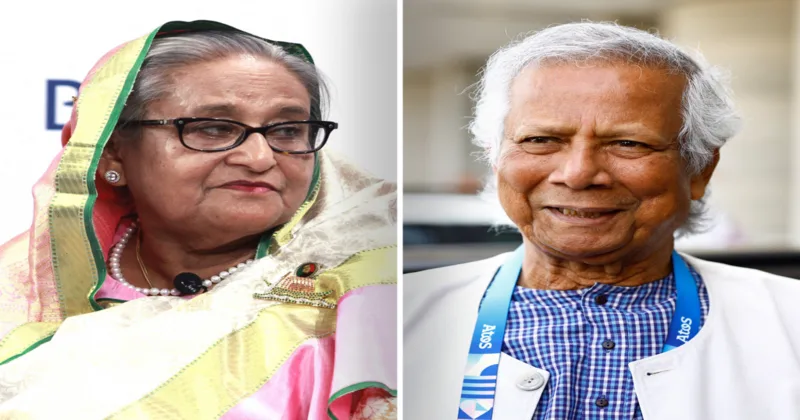
Bangladesh is set to hold its national election on February 12, 2026, marking a significant shift in the country’s political landscape. This will be the first national election since the student-led uprising that ousted former Prime Minister Sheikh Hasina in August 2024. The interim administration, led by Muhammad Yunus, has been governing the country since then. Voting will be held simultaneously for all 300 parliamentary seats.
A national referendum on the “July Charter” will also be held on the same day, proposing significant reforms to state institutions, including curbing executive powers and strengthening judicial independence. Chief Election Commissioner (CEC) AMM Nasir Uddin on December 11, Thursday announced it in an address to the nation on state television BTV and state radio Bangladesh Betar. The next elections will be the first-ever twin polls in Bangladesh’s history.
According to the schedule announcement, candidates will file their nomination papers on December 29, 2025. Candidates can campaign from January 22, 2026, untill 48 hours before the election. The Election Commission (EC) has finalised plans for 42,761 polling centres and 2,44,739 booths for around 127.6 million voters. Polling will continue from 7:30 am to 4:30 pm, an hour longer, as voters will cast both their votes and referendum ballots. Constituencies with only one candidate running will feature a “no vote” option. For the first time, campaign posters are banned to protect the environment.
Expatriates have an online registration system for postal ballots and by December 10, Wednesday evening, about 2,97,000 had registered. Their ballots will carry only party and independent symbols, not candidate names and must be received by returning officers before the close of voting. In Bangladesh, a student-led uprising in July 2024 brought down the government of the Prime Minister Sheikh Hasina. On August 5, Sheikh Hasina fled to India and an interim government was formed under Muhammad Yunus.
The interim government has also banned the activities of Sheikh Hasina’s Bangladesh Awami League political party and they are barred from contesting the elections. The Election Commission has also postponed the party’s registration. Awami League will not be able to participate in the elections unless the interim government and the EC lift the ban. A large number of Awami League leaders and workers are currently absconding in the country and abroad. Many leaders and workers of the party are in prison.
It is believed that the main competition in the upcoming elections will be between former Prime Minister Begum Khaleda Zia’s Bangladesh Nationalist Party (BNP) and Jamaat-e-Islami. The newly formed National Citizens Party (NCP), which led the uprising against Sheikh Hasina, will also participate in the upcoming elections. The election is expected to be a crucial test for Bangladesh’s democracy, with key issues such as restoring democracy, reviving the economy, repairing ties with India, tackling corruption and ensuring judicial independence and press freedom. Meanwhile, India has expressed its hope for free, fair, credible, inclusive and participatory elections in Bangladesh.
(With Inputs from ANI)













Comments