





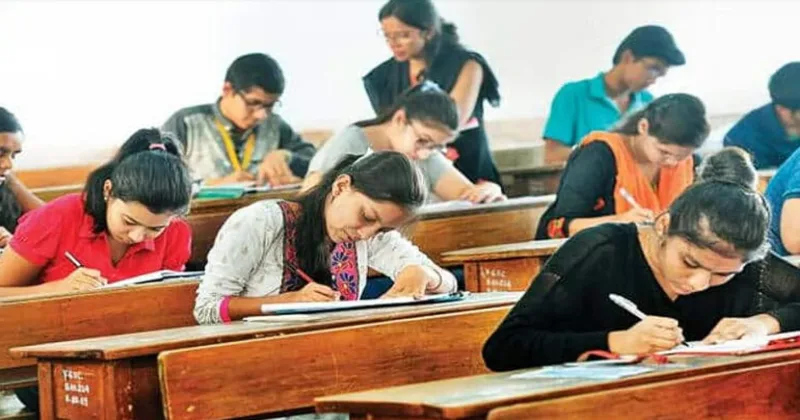
NEW DELHI: In a nation where coaching institutes have become the second home for lakhs of students, the central government’s proposal to reform entrance examinations like JEE, NEET and CUET marks a long-overdue shift in India’s education policy. A central panel is exploring bold ideas, from holding these national-level exams as early as Class 11, to limiting coaching hours, and introducing a hybrid assessment model that values both board performance and aptitude tests. The intent is clear: to reduce the unhealthy dependence on coaching centres and bring back the primacy of school-based learning.
For years, the Indian education system has been shaped by a culture of relentless competition, where board exams have become mere formalities and coaching institutes the true centres of learning. The result is a generation of students burdened by stress, burnout, and rote learning. Many Class 11 and Class 12 students spend up to ten hours a day juggling between school and coaching, leaving little room for curiosity, creativity, or personal development. By proposing that competitive exams could be conducted in Class 11, the committee hopes to spread the academic pressure across two years instead of letting it peak dangerously in Class 12.
Another crucial reform under discussion is the cap of two to three hours per day on coaching sessions. This would be a radical but much-needed intervention. Reducing coaching intensity could restore some balance between classroom education and external preparation, giving students more time for school learning and self-study. The move also aims to counter the growing phenomenon of dummy schools, where students enroll only on paper while attending coaching full-time.
Equally significant is the idea of a hybrid assessment system, combining board marks with aptitude-based entrance tests. This model could encourage schools to strengthen their teaching quality and internal evaluation processes. It would also make students value classroom learning again, rather than seeing school merely as a formality before the “real” preparation begins.
The proposal also resonates with the vision of the National Education Policy (NEP) 2020, which advocates multiple opportunities for students to appear in exams and aims to make assessments more holistic and less stressful. Conducting entrance tests twice a year in April and November would give students flexibility and a fairer chance to perform without the all-or-nothing anxiety that currently grips them.
















Comments