





The financial capital of India, Mumbai, faced a horror unlike anything it had seen before that day. In November 2008, when Ajmal Kasab and nine other Pakistanis, armed with AK-47 rifles and ammunition, descended on its shore and spread mayhem all over. They went about public places as if on a picnic and spread the blood of innocents at the behest of their handlers sitting safely in Pakistan.
The terror attack left the city scarred as one of its most iconic buildings, the Taj Hotel, a true symbol of India’s heritage and pride, was targeted. It was badly damaged during the police action, and the action of Army commandos continued for three days. These attacks claimed 166 lives, including 33 at the Taj itself, and injured over 300.
It was truly an extraordinary manner that some unknown, unnamed and faceless staff members of the Taj stepped forward in that moment of crisis. Deciding that the safety of the guests was their first and foremost duty and in the process, they sacrificed their own safety and well-being. No doubt that 33 people died at the Taj, but if it were not for these dedicated staff members, the toll would have been much higher.
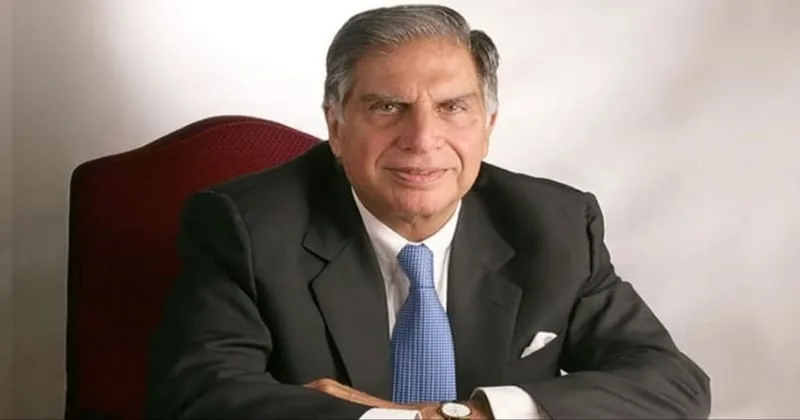
It is not said for nothing that the Tatas are different when we talk of the top business houses of the country. In November 2008, the top man in the Tata companies, Ratan Tata, 70, rose as a beacon of hope, true grit and resilience amid that crisis. He just refused to accept defeat and became a pillar of strength. Not just for the Tata Group, which he led, but for the entire nation, which saw in him a shining example of what is the best in philanthropy, personal interest and leading from the front.
Undeterred by all the chaos that reigned all around, Ratan Tata stood outside the hotel for three days, as long as the crisis lasted. He chose not to stand aloof, far off somewhere, but chose to monitor rescue operations first hand, hour by hour, standing shoulder to shoulder with the men of the police and other security forces until the area was declared secure after all the terrorists had been killed.
Once the crisis ended, Ratan Tata was one of the first to step into the ravaged hotel, something the Tatas had built with much love. Beyond assessing the damage, Ratan focused on recovery, both for the property that had suffered extensive damage and the people who had been left injured, or worse, maimed for life.
Setting up standards so high that it is difficult for anyone to emulate, Ratan Tata personally visited the injured, provided comfort to the grieving staff, and established the Taj Public Service Welfare Trust to support those affected. Yes, he worked in a very systematic way to set up this Trust so that all welfare measures needed to look after those who had suffered went on unhindered and smoothly.
Ratan Tata’s leadership in that moment of crisis ensured that the beautiful Taj hotel was restored to its former glory. It stands out today as a symbol of India’s resilience and the indomitable spirit of its people, epitomised by that extraordinary leader of men. His actions during and after the 26/11 attacks exemplify true leadership: Courage in the face of adversity, compassion for those affected, and an unwavering vision to rebuild stronger.
Today, in the present era, Tata cars rule the roads, but there was a time when only a few cars from their stable were available. One of the earliest success stories for the Tatas was scripted by Sumo, a vehicle that ruled the roads for its sturdiness and presence. Safari and a couple of other brands did very well at that time, with exports to many nations worldwide. In a dignified manner, Ratan Tata refused to export any vehicles to Pakistan. Even today, Tata Motors, the flagship company owning many brands, does no business with this rogue nation.













Comments