





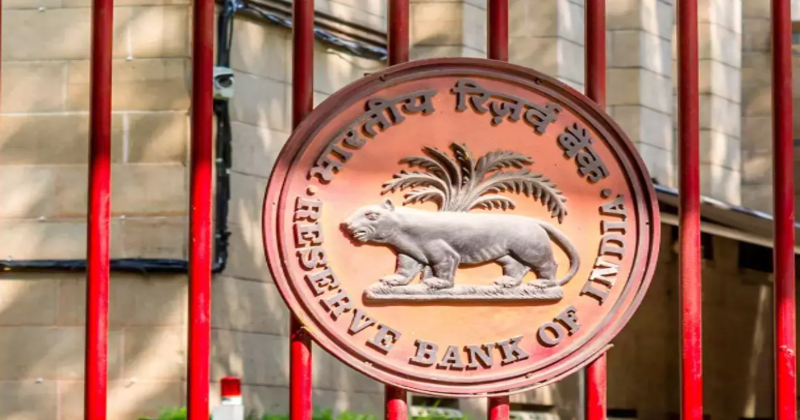
The Indian economy continued to build strength through October, supported by a combination of upbeat domestic demand, stronger industrial activity, and policy reforms, according to the Reserve Bank of India’s monthly bulletin released on Monday (Nov 24). Despite persistent global headwinds, including weak international demand, geopolitical tensions, and a fluctuating commodities market, India’s economic momentum held firm, reflecting a resilient recovery pattern that has evolved over recent months.
Inflation eases to a historic low
One of the most encouraging signals in the bulletin is the continued easing of inflation. The RBI notes that inflation has fallen to a historic low, staying comfortably below the central bank’s target range. This drop was mainly driven by declining food prices, reduced Goods and Services Tax (GST) rates on several items, and a favourable base effect from the previous year’s high inflation.
For ordinary consumers, this effectively means more stability in household budgets. Lower prices of everyday food items and tax reductions on commonly used goods have contributed to easing cost pressures, offering small but meaningful relief to families across the country.
Financial conditions, the RBI highlights, remained supportive through October. There was a significant rise in the flow of financial resources to the commercial sector compared to last year. This means businesses had better access to loans, investments, and financial assistance. Such an environment is crucial for companies planning to expand operations, increase production, or hire more workers.
Improved financial flows also indicated stronger confidence among lenders and investors about India’s economic prospects, particularly in key sectors such as infrastructure, manufacturing, and retail.
GST collections show strong consumer activity
GST collections for the month showed a notable improvement over September. Higher GST revenue generally signals healthy consumer spending, especially during India’s festive season which includes Navratri, Dussehra, and Diwali. The October rise suggests that households were willing to spend more on goods and services despite global uncertainties.
The bulletin also notes that sowing of rabi crops is progressing well across agricultural regions following a complete kharif harvest. This is a positive sign for rural incomes and food supply in the coming months.
High-frequency indicators, such as electricity demand, mobility data, vehicle sales, and industrial output, revealed a broad-based improvement in manufacturing during October. The services sector, which includes trade, travel, communication, finance, and hospitality, also maintained strong momentum.
These trends underline that India’s domestic economy is firing on multiple cylinders, with both industry and services contributing significantly to overall growth.
Trade deficit widens to record level
However, the bulletin also flags areas of concern. India’s merchandise trade deficit widened to its highest-ever level in October 2025. A trade deficit occurs when the value of imports exceeds the value of exports.
The widening gap was driven by two factors:
Falling Exports: After three consecutive months of expansion, exports contracted due to weak global demand and economic stress in key markets like Europe and China.
Rising Imports: Imports surged sharply, driven largely by a spike in gold and silver purchases. These precious metals tend to see higher demand during festivals, weddings, and investment cycles, making October’s rise consistent with cultural and seasonal patterns.
RBI introduces trade relief measures
To cushion exporters from ongoing global disruptions, the RBI has rolled out several trade relief measures with immediate effect. These steps are aimed at improving liquidity for exporters, easing compliance burdens, and enhancing credit availability.
Additionally, the RBI bulletin states that the United States’ decision on November 14, 2025, to grant tariff exemptions on select Indian agricultural products is expected to boost India’s shipments in the coming months. This policy change could partially counterbalance the slowdown in other export categories.
Equity markets performed strongly during the October-November period. The rise in stock indices was fuelled by optimism around the India-US trade deal, along with encouraging corporate earnings for the second quarter of the 2025–26 financial year.
Primary market mobilisation, funds raised from initial public offerings (IPOs) and other instruments, also climbed sharply in October. IPOs between April and October 2025 exceeded the levels recorded during the same period last year, signalling strong investor appetite. Both foreign portfolio investors (FPIs) and domestic institutional investors (DIIs) maintained robust participation, reflecting confidence in India’s economic outlook.
External sector remains stable despite global tensions
Despite uncertainties in global trade, India’s external sector remains stable, the RBI emphasises. Strong services exports, steady remittance inflows from Indians working abroad, and relatively stable crude oil prices have all contributed to this resilience.
India’s foreign exchange reserves continue to be adequate to handle sudden external shocks, offering a protective cushion against global volatility. The bulletin also reassures that India’s external debt remains low and stable as a percentage of GDP. The share of short-term external debt, which is considered riskier, also remains subdued, reducing the risk of financial instability.
In short, while global pressures, especially weak demand and rising imports, pose challenges for India, the overall economic outlook remains positive. Strong domestic demand, easing inflation, supportive financial conditions, and robust service sector performance continue to anchor the country’s growth trajectory.
According to the RBI, India’s economy is well-positioned to navigate current global uncertainties and maintain its growth momentum in the months ahead.
















Comments