





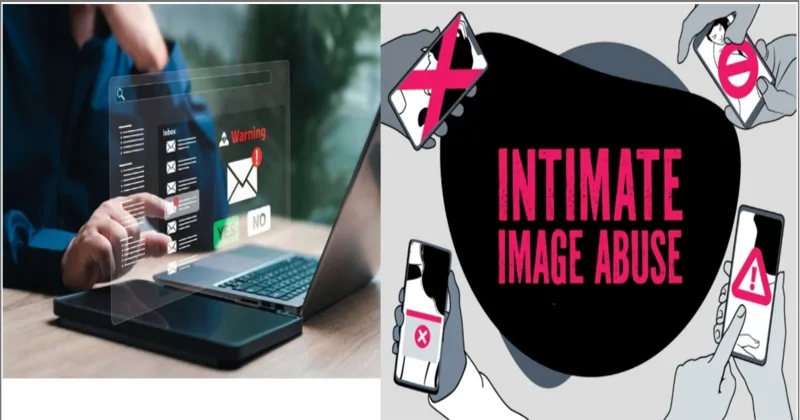
The rapid spread of smartphones and social media has created new opportunities for connection, expression and entrepreneurship. Also, it has also spawned many new vulnerabilities, particularly for women whose online harms often take invasive, persistent and deeply traumatic forms. One of the major problems is the dissemination of Non-Consensual Intimate Imagery. From this standpoint India’s policy response to this challenge has strengthened significantly over the last few years and culminated in a structured Standard Operating Procedure issued by MeitY in October 2025. Under the directions by the Madras High Court, it lays out clear steps to be taken by victims and intermediaries so that NCII content is taken down quickly and consistently.
The SOP represents an important step towards the creation of more secure digital ecosystem. The one that would treat violations of privacy with the gravity they deserve and balance individual rights with technological reality.
Legal and policy foundation
The foundation of the SOP rests on legal instruments, making it not just advisory but a structured, right protective protocol. It is based directly on the Information Technology Act, 2000, along with the Intermediary Guidelines and Digital Media Ethics Code Rules, 2021, also The Indecent Representation of Women (Prohibition) Act 1986 and Bhartiya Nyaya Sanhita, 2023.
Its creation also responds to judicial directions. The Madras High Court in July 2025, directed MeitY to develop a path for victims confronted with NCII dissemination. The SOP does not just standardize procedures but also it fulfills a constitutional commitment to ensure accessible remedies for digital harms.
The framework clearly mentions what NCII content is:
- Material exposing private areas
- Imagery depicting full or partial nudity
- Depictions of sexual activity
- Artificially morphed or impersonated intimate imagery
By articulating these categories explicitly, the SOP removes ambiguity and ensures that intermediaries cannot evade responsibility on interpretive grounds. It places the victim’s privacy at the centre of regulatory action.
Empowering individuals through accessible redress
One strong point in the SOP is its multi-channel grievance system. Recognizing that victims often feel overwhelmed or unsafe, the document allows complaints to be filed through several pathways so that no single point of failure can prevent timely action.
- One Stop Centres (OSCs)
OSCs under the Ministry of Women and Child Development act as the first line of support, NCII harms are not just digital but highly psychological and social as well. Victims may directly approach these centers or through any authorized agency. OSCs are mandated with helping to file complaints on the National Cybercrime Reporting Portal (NCRP), by providing psychological or legal counselling, helping access district-level legal support and facilitating police engagement when needed.
This structured support recognizes that the emotional consequence of incidents of NCII often renders self-reporting difficult. By placing OSCs in the process, the government addresses both the legal and human dimensions of harm.
- Approaching digital intermediaries
Victims or their representatives can directly report the content to the platform where the content appears, through reporting tools, grievance officers or trusted flaggers. Intermediaries have to take down or disable access to such content within 24 hours, in tune with the IT Rules of 2021. If the intermediary fails to take action or provides an unsatisfactory response, then the complainant may appeal to the GAC an additional institutional safeguard.
- National cybercrime reporting portal(NCRP)
The NCRP operated by I4C provides a single-point, national reporting mechanism through its website and 1930 helpline for those users who cannot or do not want to contact the intermediary directly. It also enables coordination between the digital platforms and law-enforcement agencies.
- Law enforcement agencies(LEAs)
Local police stations remain a very important access point for victims who need a complaint to be formally registered. The LEAs are obliged to report the flagged content on NCRP and can take investigative actions, allowing better punitive and preventive measures.
The multi-layered approach ensures that victims have options tailored to their comfort level and needs, an important element in any governance of digital rights.
Making platforms accountable
The regulatory architecture of India now recognises intermediaries as powerful gatekeepers in the digital ecosystem. The SOP operationalises their responsibilities with clarity and enforceability.
- Rapid removal within 24 hours
Intermediaries are required to remove NCII content within 24 hours of receipt of a valid complaint by an individual. This timeline is critical where intimate content goes viral and delays may result in irreparable psychological and reputational damage. The obligation is in consonance with Rule 3(2)(b) of the IT Rules, 2021.
- Proactive hash-based prevention
SSMIs are supposed to use crawler technologies and hash-matching tools to identify duplicates of the reported content in order to prevent reuploads across platforms. The SOPs require such hashes to be shared with I4C’s secure hash bank to reinforce cross-platform collaboration.
- Periodic updates to victims
This is important as it means intermediaries have to notify victims about the content taken down and also about resurfacing and takedown to reduce anxiety and build trust.
- De-indexing by search engines
Search engines need to delist or de-index the content of NCII appearing in the search results, blocking access even when the original upload may persist elsewhere. This will address one of the biggest persistent challenges of digital privacy violations.
While less visible in regulatory discourse, Content Delivery Networks and Domain Name Registrars also take measures to make offending websites unreachable within a 24-hour window upon notification. Their inclusion reflects insight into how harmful content circulates outside of mainstream platforms.
- Coordination across agencies
Isolated interventions will not work against digital harm. The SOP has a clear coordination matrix across ministries and agencies. I4C – MHA is the aggregation point for complaints of NCII and centralised hash banks. The Department of Telecommunications ensures that ISPs block flagged URLs when required. MeitY liaises with intermediaries regarding the due diligence to be followed.
This inter-agency architectures shows that the government recognises NCII not just as a platform problem but as a systemic challenge requiring synchronised institutional action.
Contemporary relevance and policy significance
The emergence of AI-generated intimate imagery, deepfakes and impersonation methods further complicates this landscape of online exploitation. The explicit inclusion of artificially morphed images by the SOP is timely and future-oriented.
These changes will recognize that incidents of NCII disproportionately affect women, thereby aligning the response to national priorities of safety, dignity, and gender justice. This is further cemented in the integration of OSCs and the support provided by the Ministry of Women and Child Development.
The SOP thus represents a larger cultural and legal shift from reactive policing to proactive prevention. Through the use of hash-based identification, continuous monitoring and multi-agency coordination, it extends digital safety from a complaint-driven model to a system-driven one.
The 2025 SOP on curbing the spread of Non-Consensual Intimate Imagery stands at an important juncture in the digital governance journey of India. By providing accessible grievance mechanisms, strict timelines for takedown and robust coordination structures, it restores agency to individuals harmed by NCII while building public trust in the digital ecosystem.
These frameworks are keys in times when technological misuse is evolving at a breakneck pace. The SOP provides a systematic way towards achieving that end-clear, timely and based upon the rule of law.










Comments