





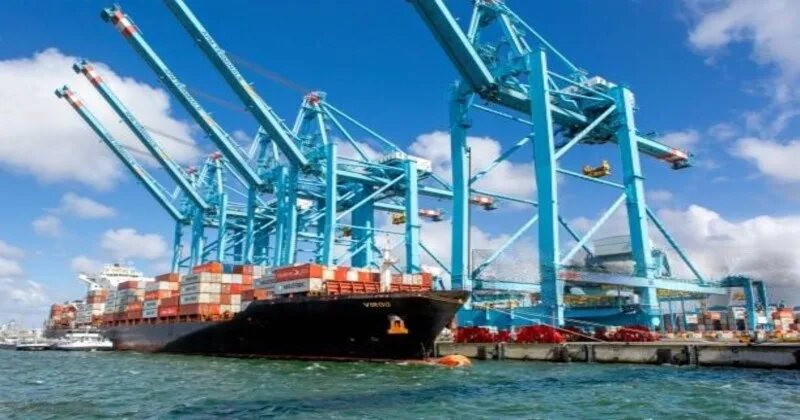
Coastal shipping has been a reliable pillar of India’s maritime economy, linking ports, fueling coastal trade, supporting research activities and sustaining the daily work of thousands of seafarers. Those who work within Indian waters often work with more paperwork than sea routes. Procedural requirements originally meant for international voyages gradually became routine even for coastal vessels, creating inefficiencies without improving security. By easing these outdated formalities, the government has taken a pragmatic step toward strengthening maritime governance and improving the working conditions for Indian seafarers.
Why Change Was Necessary
Indian flagged coastal vessels like dredgers, barges, research crafts and other port-limit operations work in a tightly coordinated environment. Their schedule is dependent on tides, port traffic, cargo timings and engineering tasks. Till date the crew members were supposed to be undertaking sign-on/sign-off immigration procedures and obtaining Shore Leave Passes, entailing physical visits to the immigration offices every few days.
Such requirements were not only time consuming but also ill-suited for vessels which never left Indian territorial waters. Administrative roles fell on crew members along with their technical responsibilities and operations at the ports were occasionally delayed by personnel compliance with the procedures.
Recognizing the above mismatch between policy intent and on-ground realities, the government initiated a targeted reform by simplifying procedures where risks are minimal and operations are domestic, with oversight where necessary.
What the New Framework Changes
Under the new regulation, coastal vessels that operate exclusively within port limits are exempt from immigration sign-on/sign-off formalities. The related requirements for SLPs have also been done away with. This covers crew and supernumerary staff on board Indian flag vessels undertaking coastal runs, dredging operations and research assignments.
The responsibility for the regulation of shore access now lies with the respective port authorities only. They will keep records of crew working on these vessels and ensure that entry and exit remain structured and traceable. It will be oversight by the Bureau of Immigration continues through periodic inspections and verification of crew lists.
This shift does not eliminate regulation, but instead transfers it to the agency that is equipped to handle it, the port authorities have to deal with such vessels on a daily basis.
Benefits for Seafarers and Maritime Operations
· Reduced Administrative Burden
The most significant relief comes in terms of reduced compulsory visits to immigration offices. Seafarers can now focus on their duties on board the vessel without being disrupted by routine procedural demands. This improves workflow and reduces operational stress.
· Increased Efficiency for Coastal Projects
Dredging, the movement of cargo along the coasts and missions of research all require timely execution. Elimination of formalities that are considered unnecessary improves efficiency in terms of reduced delays, hence better turnaround time and overall port operations efficiency. This change is seen to be more beneficial to India’s busier ports, where even minor improvements in crew movement can mean much in terms of increased productivity.
· Sharper Institutional Responsibility
Port authorities are now the nodal point for managing crew access. This is international best practice and a global maritime, where domestic vessel movements are managed by local port administrations. It also allows immigration authorities to focus on higher-risk international traffic, thereby optimising national security efforts.
· Balanced Oversight
When procedures are simplified, the checks remain solid. Surprise inspections and record-keeping are mandatory to ensure complete transparency. The goal is not deregulation but proportional regulation where the risks are low and firm where needed.
Supporting India’s Maritime Growth Agenda and implementation
The reform is part of the broader national strategy of strengthening coastal shipping and improving the “Ease of Doing Business” in the maritime domain. Coastal transportation is more energy-efficient compared to road transport, reduces congestion on highways and lowers logistics costs. Encouraging coastal shipping is central to India’s aspiration to build a modern and globally competitive port ecosystem.
The simplified procedures make Indian-flagged vessels more attractive to operators, encouraging fleet expansion and supporting jobs for Indian seafarers. While India works to increase its maritime throughput and put more infrastructure on its coastline, procedural clarity becomes as important as the physical investments.
The reform will be effective on the ground, requiring updated internal protocols in the ports, proper training of personnel and clear communication with vessel operators. Regular monitoring can demonstrate the existence of any gaps where ease of access must not come at the cost of accountability.
Discontinuing the sign-on/sign-off and SLP related requirements for Indian-flagged coastal vessels marks a carefully calibrated adjustment in maritime regulation. It takes into account on-ground realities, respects the time and responsibilities of seafarers, also empowers port authorities to handle what comes naturally within their mandate. The reform retains essential elements of strong oversight mechanisms and thus reflects a governance approach that is practical, balanced and in tune with the goals of India’s maritime development. It was a timely step toward smarter management of coastal shipping and a more efficient ecosystem in general.












Comments