





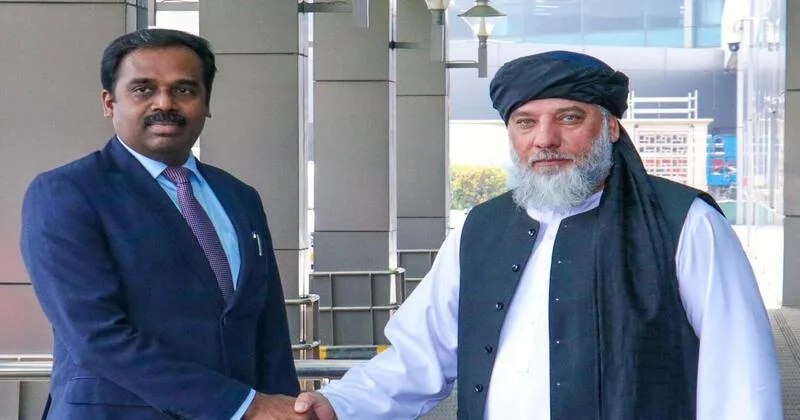
India is set to further strengthen diplomatic engagement with Afghanistan, with New Delhi receiving the Afghan Commerce Minister on a five-day official visit. The visit marks another major step in India’s evolving relationship with the Taliban administration, which has been seeking alternatives to Pakistan amid rising tensions between Kabul and Islamabad.
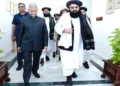
Alhaj Nooruddin Aziz, Afghanistan’s Commerce and Industry Minister, received a grand welcome upon his arrival in India. His visit follows that of Afghan Foreign Minister and senior Taliban leader Amir Khan Muttaqi, signalling a steady increase in high-level exchanges between the two sides. Aziz’s trip is considered particularly important in the context of the ongoing conflict and diplomatic hostility between Afghanistan and Pakistan. Indian External Affairs Ministry spokesperson Randhir Jaiswal has posted on X that the centrepiece of the visit would be the signing of fresh bilateral trade and investment agreements between New Delhi and Kabul. During his stay, Aziz will also attend the India International Trade Fair 2025 (IITF) and hold detailed discussions with senior Indian officials dealing with trade and commerce. This marks his first visit to India since the Taliban took power in August 2021.
The visit builds on the momentum generated in October 2025, when Foreign Minister Amir Khan Muttaqi undertook a six-day official trip to India, an unprecedented development under the Taliban regime. That visit helped cement diplomatic outreach between the two sides, leading to the formation of a high-level bilateral trade committee aimed at expanding cooperation in the economic sector. A major outcome of Muttaqi’s trip was Afghanistan’s decision to grant India permission to invest in and undertake mining operations in its minerals and energy sectors, areas of long-term strategic significance for New Delhi. Following his engagements in India, New Delhi upgraded the functioning of its embassy in Kabul, restoring it to its original operational status after it had been limited to technical staff following the Taliban takeover.
Muttaqi’s October trip had originally been planned for September but was delayed due to pending UN travel approval. Even so, it marked the first official visit by any Taliban minister to India since August 2021, and it has paved the way for more consistent diplomatic channels between the two governments. The outreach has also involved several earlier interactions. Muttaqi held talks with External Affairs Minister S. Jaishankar in May, and he met Indian Foreign Secretary Vikram Misri in Dubai in January. In April, New Delhi dispatched Joint Secretary M. Anand Prakash, who handles Pakistan, Afghanistan and Iran, to Kabul for consultations with senior Taliban officials. Jaishankar later held a telephonic conversation with Muttaqi on 15 May, days after the India–Pakistan ceasefire following the Pahalgam terror attack. During the call, Jaishankar welcomed the Taliban leadership’s condemnation of the attack and appreciated Kabul’s rejection of “false reports” circulating at the time, which had sought to strain India–Afghanistan relations.
Meanwhile, Afghanistan has been openly distancing itself from Pakistan as tensions escalate. The Taliban government has begun a complete reorientation of its trade routes and economic partnerships as relations with Islamabad deteriorate. Mullah Abdul Ghani Baradar, the Taliban’s Deputy Prime Minister for Economic Affairs, has publicly urged Afghan traders to stop depending on Pakistan for the movement of goods and instead explore alternative corridors. Afghan traders have reportedly been losing around USD 200 million per month due to Pakistan’s repeated and prolonged closure of border crossings, which has obstructed the flow of commercial goods. Afghan officials argue that these closures, often imposed without prior notice, have especially damaged trade during peak agricultural export seasons. For decades, Afghan exporters relied heavily on Pakistani ports, but the Taliban leadership now wants to shift focus toward Iran and Central Asian states such as Tajikistan, Uzbekistan and Turkmenistan.
In a significant move reflecting the deteriorating ties, Afghanistan has also imposed a complete ban on the import of medicines from Pakistan, forcing the country to source pharmaceutical supplies from alternative partners. Adding to the tensions, Pakistan’s Defence Minister Khawaja Asif recently accused Afghanistan of allowing terrorist attacks to be launched from its soil and suggested that Islamabad could consider military action. The Taliban administration strongly rejected the allegations and warned that any attack from Pakistan would be met with retaliation. As Afghanistan seeks new trade routes and looks to diversify foreign partnerships, India’s expanded diplomatic engagement gives Kabul an important alternative at a moment of economic uncertainty and geopolitical friction. Aziz’s visit is expected to further consolidate this emerging partnership and chart new avenues of cooperation between the two neighbours.












Comments