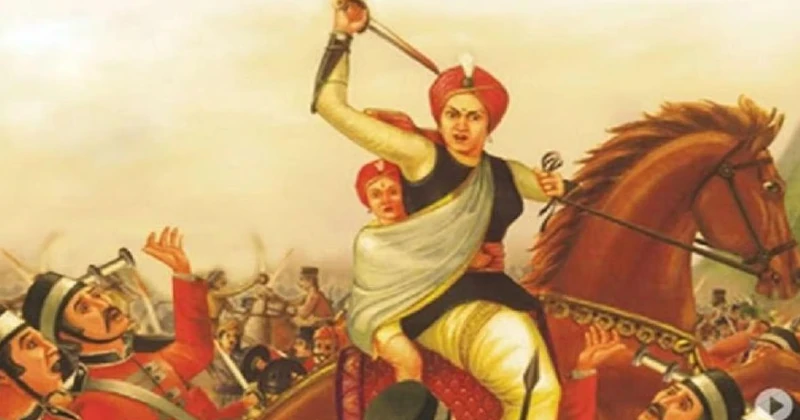
On the birth anniversary of Rani Lakshmibai of Jhansi one of the fiercest icons of India’s freedom struggle tributes poured in from across the nation as leaders, historians, and citizens reflected on her unparalleled courage during the Indian Rebellion of 1857–58. Her legacy, forged through resistance against the East India Company’s tyranny, continues to inspire generations.
Rani Lakshmibai’s story, marked by injustice, defiance, and heroic sacrifice, stands at the heart of India’s first major uprising against British rule. Married to the Maharaja of Jhansi, she faced a crisis when their only biological son died in infancy. Although the royal couple adopted a five-year-old boy as heir an accepted practice in Hindu tradition the East India Company refused to recognize him, invoking the Doctrine of Lapse to annex Jhansi.
Lakshmibai appealed tirelessly to the British authorities, but her petitions were ignored. When the Company installed its own superintendent, Lord Francis Gordon, and took charge of Jhansi, it set the stage for a deepening resentment that would soon erupt into rebellion.
The 1857 uprising, often called the First War of Independence, was ignited by multiple grievances religious intolerance, caste-based discrimination within the Company’s armies, and widespread humiliation of Indian soldiers. The spark came when sepoys learned that new rifle cartridges were greased with cow and pig fat, a grave affront to both Hindu and Muslim beliefs.
Amid this turmoil, Rani Lakshmibai emerged as one of the uprising’s most defiant leaders. The refusal to recognize her adopted son as heir was more than a personal loss it symbolised the larger British attempt to dismantle Indian sovereignty and tradition. For the nobility, peasants, and landlords who joined the rebellion, Lakshmibai became a rallying force.
Raised as Manikarnika fondly called Manu she was taught reading, writing, archery, fencing, and horsemanship from an early age. Her father Moropant Tambe, a commander, ensured she grew up independent and fearless. British accounts themselves acknowledged her extraordinary resolve and leadership.
When British forces marched on Jhansi, they expected a quick surrender. Instead, they encountered a fortified resistance under Lakshmibai’s command. She reportedly issued a stirring proclamation, declaring that whether they won or fell, Indians would gain eternal glory in resisting oppression.
Even after the British breached the fort, Lakshmibai escaped on horseback with her young son tied to her back an image etched into Indian memory through countless statues and poems.
She regrouped with rebels in Kalpi, fought fiercely, and after another defeat, moved to Gwalior where she continued resisting British troops. It was here, in June 1858, that she was killed in combat fighting, sword in hand. British officer Colonel Malleson described her as “the bravest and best of the rebels.”
Marking her birth anniversary, Prime Minister Narendra Modi said on X: “Respectful tributes to Maa Bharti’s immortal warrior queen, Rani Lakshmibai… Her courage in the First War of Independence continues to inspire generations.”
Union Home Minister Amit Shah praised her as a leader who “challenged the British from diplomacy to the battlefield,” urging citizens to learn from her steadfast devotion to the nation.
Rani Lakshmibai’s legacy endures not only through historical accounts but through the spirit of independence she helped ignite. She remains one of the most celebrated figures of the 1857 revolt honored in literature, films, educational institutions, monuments, and national memory.

Leave a Comment