





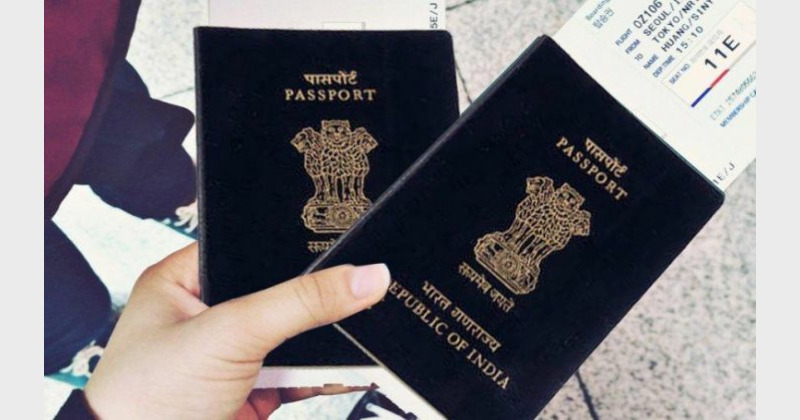
NEW DELHI: The Ministry of External Affairs (MEA) has officially entered a new technological phase, rolling out e-passports across the country in a mission that promises to transform the way Indian citizens travel, identify themselves, and clear immigration checks worldwide. The initiative, part of the upgraded Passport Seva Programme (PSP) Version 2.0, integrates advanced security systems and artificial intelligence-based services to deliver next-generation travel documentation.
Officials describe the transition as nothing short of revolutionary, comparing the upgrade to the leap “from 3G to 5G” in telecommunications. More than 80 lakh e-passports have already been issued within India as of May 2025, alongside nearly 60,000 issued by Indian embassies and consulates abroad, signalling robust early adoption.
At the heart of the new e-passport is a secure RFID (Radio Frequency Identification) chip and antenna embedded within the booklet. Fully compliant with International Civil Aviation Organisation (ICAO) global standards, the chip stores the traveller’s personal details and biometric information.
What makes the document especially tamper-proof is its digital signature, created using Public Key Infrastructure (PKI), a cryptographic system that ensures: High resistance to identity fraud, near-impossibility of manual or digital tampering, instant authentication at automated immigration counters.
The passport is visually identifiable through a small gold-coloured chip symbol on its front cover, a marker of the digital era in global mobility.
One of the most immediate benefits for passengers is quicker processing at international borders. The chip enables, seamless passage through automated e-gates, compatibility with global Trusted Traveller Programmes, Faster document verification, reduced queues at airports using modern border control systems.
This shift places India among nations moving towards contactless, high-speed passenger clearance systems.
Although every newly issued or renewed passport is now chip-enabled, the MEA has reassured citizens that existing non-electronic passports remain valid until their natural expiry date.
The transition is therefore gradual, non-disruptive, and voluntary, avoiding any immediate burden on travellers.
The government has set an ambitious national goal: by 2035, every Indian passport in circulation should be an e-passport. The deadline acknowledges the massive scale of India’s population and the logistical demands of replacing over 10 crore passports currently active.
India’s launch of e-passports places it firmly on the path of modern nations adopting advanced security frameworks for cross-border travel. By integrating PKI-based security, automation, and AI support systems, the MEA is steering the Passport Seva Programme towards unprecedented digital sophistication.
With faster immigration, robust fraud prevention, and a clear roadmap for nationwide adoption, the e-passport is set to redefine how Indians engage with the world, making global access smoother, safer, and more efficient for millions in the coming decade.











Comments