





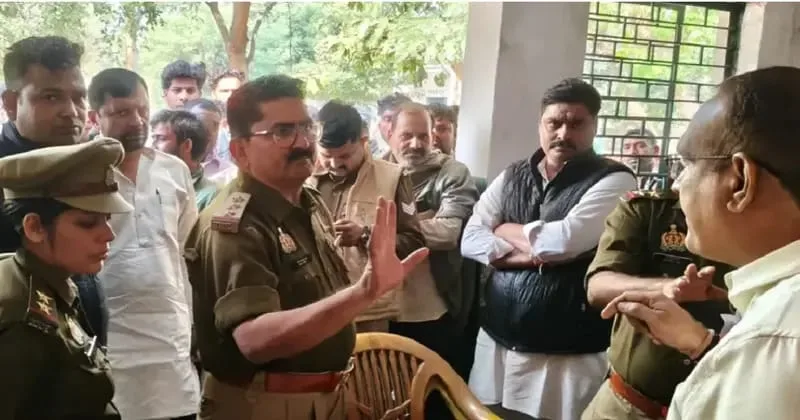
In a disturbing incident at a primary school in Dhikouli village, Baghpat district, three young children were allegedly targeted by classmates who urinated in their water bottles. The act, reportedly committed by children aged six to eight, has shocked the local community and prompted police action.
According to reports, two boys and a girl, all Hindu students, noticed a foul smell while drinking from their bottles during a school break. Upon investigation by the school authorities, it was revealed that three Muslim children had deliberately filled the bottles with urine. One child admitted to copying what he had seen on his father’s mobile phone, which reportedly contained videos instructing children to make non-Muslims drink urine.
The headmaster of the school indicated that a local cleric may have played a role in influencing the children. The same cleric had previously gathered children in the mosque, and some parents claimed that the children were chanting religious slogans when returning from these sessions.
The victims suffered health problems after consuming the contaminated water and are currently undergoing treatment at a private hospital. The incident prompted anger among parents and villagers, who staged protests at the school. The police registered a case and took action against the father of the main accused child under relevant sections of the Indian Penal Code.
This incident has sparked wider concern about the influence of extremist content on children, parental responsibility, and the role of religious leaders in shaping young minds. While the perpetrators were very young, the case highlights the dangers of early radicalisation and its potential to harm innocent individuals. Authorities and community leaders now face the challenge of addressing both the immediate harm to the children and the broader implications for communal harmony in the village.














Comments