





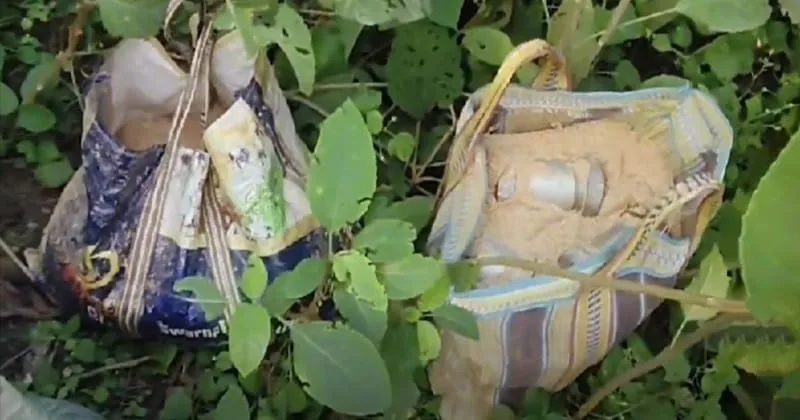
Murshidabad, a border district in West Bengal, has recently witnessed a massive crackdown on crude bombs, highlighting serious law and order concerns. In a major development, authorities recovered around 80 crude bombs from the areas of Domkal, Gudhiya, and Salar. This brings the total number of bombs seized in just six days since the start of the Special Revision (SIR) of electoral rolls process to an astonishing 773.
Murshidabad, West Bengal:
80 more bombs recovered from Domkal, Gudhiya, and Salar areas.Total 773 crude bombs seized in just 6 days since the start of the SIR process — massive crackdown underway across Murshidabad. Imagine the scale? pic.twitter.com/dPFNWctchN
— Megh Updates 🚨™ (@MeghUpdates) November 11, 2025
The timing and scale of these recoveries are alarming. Murshidabad’s location along the India-Bangladesh border makes it particularly vulnerable to the smuggling of explosives, and the discovery of such large caches raises concerns about possible attempts to destabilise the region during the electoral process. The hoards of crude bombs suggest the existence of clandestine manufacturing or storage operations in the district, potentially pointing to organised criminal networks.
The recovery of bombs in Domkal, Gudhiya, and Salar has raised the alarm among residents and political leaders. A recent incident in an agricultural field involved the discovery of live crude bombs, emphasising the immediate risk to civilian safety. Earlier incidents, including a fatal explosion in October during the manufacturing of crude bombs, further illustrate the dangers posed by these weapons.
The implications of such large-scale seizures are significant. Crude bombs pose a serious risk to public safety, and the proximity to elections heightens the potential threat of political violence or intimidation. Security experts are concerned about possible cross-border smuggling and the existence of networks facilitating the production and distribution of these explosives.
Authorities are now under pressure to intensify investigations to identify the sources of these bombs, dismantle manufacturing sites, and prevent their movement across the border. Strengthening border security, involving local communities in reporting suspicious activity, and ensuring electoral security in high-risk areas are crucial steps in addressing the threat. Transparent public reporting on the seizures and ongoing investigations will also help build trust and reassure citizens.
The scale of the recent bomb recoveries in Murshidabad is unprecedented for a rural district. With 773 bombs seized in six days and additional finds in key areas like Domkal, Gudhiya, and Salar, the situation underscores the need for urgent action to protect public safety and maintain regional stability. The coming days will be critical in determining how effectively law enforcement dismantles the networks behind these explosive stockpiles and prevents their misuse.
















Comments