





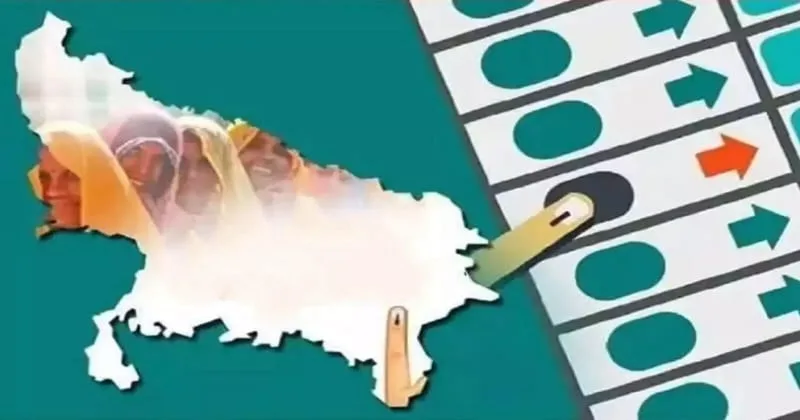
Ahead of the Uttar Pradesh Panchayat General Elections 2026, the State Election Commission (SEC), Uttar Pradesh, has released official guidelines fixing the nomination fee, security deposit, and maximum expenditure limits for candidates contesting at various levels of the Panchayati Raj system. The announcement aims to ensure transparency, discipline, and equal opportunity in the upcoming polls that will decide leadership across the state’s rural governance structure.
The new structure will apply uniformly across all districts, covering Gram Panchayats, Kshetra (Block) Panchayats, and Zila Panchayats. The Commission has categorised the financial requirements separately for general candidates and those belonging to the Scheduled Castes (SC), the Scheduled Tribes (ST), the Other Backwards Classes (OBC), and women.
According to the circular issued from the SEC headquarters in Lucknow, the revision in the fee and expenditure norms shows an attempt to balance accountability and inclusiveness. By keeping lower fees for candidates from reserved categories and women, the Commission is trying to encourage more participation from all sections of society while maintaining fairness in the electoral process.
Officials said the new financial parameters have been framed keeping in view inflation trends and the need to regulate campaign spending. The maximum expenditure limits have been set according to the position being contested, ensuring that candidates maintain fairness and transparency in their election spending.
Detailed fee and expenditure structure
The Commission has laid down specific figures for nomination fees, security deposits, and spending caps for each post in the Panchayati Raj setup. The details are as follows:
1. Gram Panchayat Member (Village Level)
General candidates: Nomination fee – Rs 200, Security deposit – Rs 800
SC/ST/OBC/Women candidates: Nomination fee – Rs 100, Security deposit – Rs 400
Maximum expenditure limit: Rs 10,000
This post represents the grassroots level of local governance. The relatively low expenditure limit aims to keep elections accessible for villagers from all economic backgrounds.
2. Gram Pradhan (Village Head)
General candidates: Nomination fee – Rs 600, Security deposit – Rs 3,000
SC/ST/OBC/Women candidates: Nomination fee – Rs 300, Security deposit – Rs 1,500
Maximum expenditure limit: Rs 1,25,000
The Gram Pradhan serves as the elected head of the village, and is responsible for overseeing development works, welfare schemes, and local administration. With an increased expenditure ceiling, candidates can manage outreach and communication within their constituency while adhering to spending regulations.
3. Kshetra Panchayat Member (Block Level)
General candidates: Nomination fee – Rs 600, Security deposit – Rs 3,000
SC/ST/OBC/Women candidates: Nomination fee – Rs 300, Security deposit – Rs 1,500
Maximum expenditure limit: Rs 1,00,000
This member forms the link between village panchayats and the district administration. The expenditure limit of Rs 1 lakh has been deemed sufficient for campaigning within block-level constituencies.
4. Zila Panchayat Member (District Level)
General candidates: Nomination fee – Rs 1,000, Security deposit – Rs 8,000
SC/ST/OBC/Women candidates: Nomination fee – Rs 500, Security deposit – Rs 4,000
Maximum expenditure limit: Rs 2,50,000
Zila Panchayat Members play a significant role in district-level planning and resource allocation. The higher expenditure limit shows the larger geographical area and voter base.
5. Kshetra Panchayat Pramukh (Block President)
General candidates: Nomination fee – Rs 2,000, Security deposit – Rs 10,000
SC/ST/OBC/Women candidates: Nomination fee – Rs 1,000, Security deposit – Rs 5,000
Maximum expenditure limit: Rs 3,50,000
The Pramukh acts as the executive head of the block-level panchayat and oversees the functioning of various village panchayats under their jurisdiction.
6. Zila Panchayat Adhyaksh (District Panchayat Chairperson)
General candidates: Nomination fee – Rs 3,000, Security deposit – Rs 25,000
SC/ST/OBC/Women candidates: Nomination fee – Rs 1,500, Security deposit – Rs 12,500
Maximum expenditure limit: Rs 7,00,000
This is the highest position in the three-tier Panchayati Raj system, equivalent to a district-level leadership role. The higher ceiling of Rs 7 lakh takes into account the wider scale of campaigning and coordination required at this level.
Encouraging fair play in local democracy
Officials of the State Election Commission have stated that these financial limits have been introduced to curb excessive spending and undue influence of money power during elections. By clearly defining the upper limit of expenditure, the SEC aims to promote fair play and ensure that elections are fought on the basis of merit and public service, not financial capability.
The circular also emphasises the need for transparency in expenditure reporting. Candidates will be required to maintain records of their campaign expenses and submit details to the returning officers for scrutiny. If a candidate breaks the rules or spends more than allowed, they may face punishment or even be barred from contesting future elections.
The SEC further advised all District Election Officers and District Magistrates to ensure strict implementation of these guidelines. Training programs and orientation sessions will be held to brief officers and candidates about the new norms before the election schedule is formally announced.
Preparations underway for the 2026 Panchayat Polls
The Panchayat elections in Uttar Pradesh are held every five years to elect members and heads of Gram Panchayats (village councils), Kshetra Panchayats (block councils), and Zila Panchayats (district councils).
The 2026 elections are expected to witness active participation from lakhs of candidates across all districts. Given the vast rural population and the critical role of Panchayati Raj Institutions in implementing government schemes, these polls are crucial in shaping grassroots governance and local development.
By lowering fees for candidates from SC/ST/OBC and women categories, the Commission has reinforced its commitment to social equity and representation. This aligns with the government’s broader objective of empowering marginalised communities and strengthening rural democracy.
As Uttar Pradesh gears up for its next Panchayat elections in 2026, the State Election Commission’s notification has set a clear roadmap for the financial conduct of candidates. From the smallest village ward member to the Zila Panchayat Chairperson, every aspirant will now have to operate within transparent and standardised limits.
The decision is being seen as a crucial step towards strengthening local self-governance and ensuring that the true spirit of democracy reaches everywhere in Uttar Pradesh.















Comments