





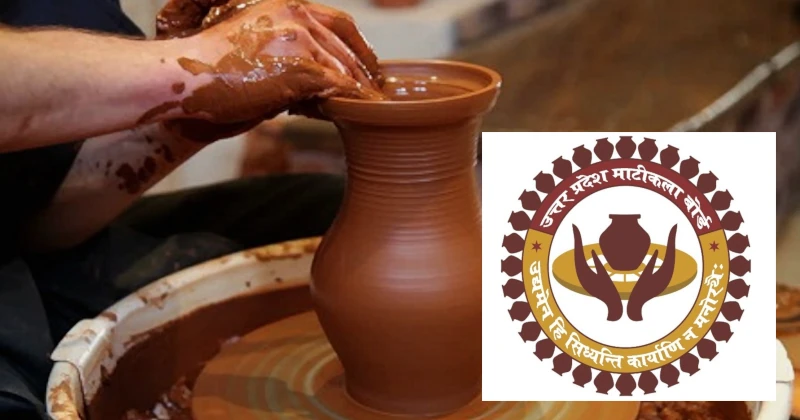
The Uttar Pradesh Mati Kala Board has registered an impressive increase in the sales, marking a 27.7 per cent increase over the previous year. The total sales revenue from pottery fairs held across Uttar Pradesh has reached Rs 4.20 crore in the 2025-26 financial year. This shows the growing appreciation for the state’s rich clay art and craftsmanship. The sharp rise in sales comes despite the fact that fewer stalls were set up this year in comparison to last year’s events. Officials gave credit of this impressive growth to better product quality, refined presentation, and the growing public preference for eco-friendly and handcrafted items.
During the 2025-26 financial year, the Mati Kala Board organised a diverse series of fairs and festivals across Uttar Pradesh. The key attractions included a 10-day pottery festival, seven-day regional fairs, and three-day mini pottery exhibitions. Altogether, these events featured 691 stalls, drawing in large crowds of visitors, art lovers, and buyers who were eager to support traditional artisans.
Each fair served as a vibrant platform for local potters to showcase their craft, experiment with new designs, and connect with customers directly without any middlemen. From household clay items and decorative lamps to artistic sculptures and eco-friendly utensils, the variety on display demonstrated the innovation and skill of Uttar Pradesh’s artisans.
Matikala Mahotsav 2025: The Main Attraction
The highlight of the year was the 10-day Matikala Mahotsav, held at Khadi Bhawan in Lucknow from October 10 to 19, 2025. The festival drew immense crowds and emerged as a key contributor to the board’s sales success. With 56 stalls set up during the event, it achieved record-breaking sales worth Rs 1.22 crore. Visitors were seen purchasing everything from clay diyas and terracotta idols to artistic home décor pieces, all showing the blend of tradition and creativity.
The fair was more than a commercial event and it became a cultural celebration. Workshops, live pottery demonstrations, and interactive sessions were organised to connect the urban audience with rural artisans. Many visitors, especially children and students, got a chance to try their hands at pottery, rekindling interest in this ancient craft.
Apart from Lucknow, regional fairs in Gorakhpur, Agra, Kanpur Dehat, and Moradabad also made a significant impact. These fairs, held between October 13 and 19, featured 126 stalls and collectively generated sales worth Rs 78.84 lakh. The regional exhibitions allowed potters from various districts to display local styles and motifs unique to their regions from the red clay pottery of Gorakhpur to the intricate black pottery designs of Azamgarh.
Meanwhile, around 509 pottery shops across 70 districts participated in the three-day mini clay art fairs, held from October 17 to 19, generating additional sales of Rs 2.19 crore. The consistent footfall at these events highlighted that pottery and clay art are regaining their charm in the modern marketplace.
Officials from the Mati Kala Board noted that the steady increase in sales was not merely a result of the number of fairs but of strategic improvements in product presentation and quality. This year, artisans were encouraged to focus on durability, aesthetic appeal, and innovative designs that cater to both traditional and contemporary buyers.
The exhibition layouts were also revamped to enhance the visitor experience. The stalls were spacious with improved lighting, and dedicated sections for live demonstrations made the fairs more interactive. These efforts, coupled with effective marketing campaigns, drew attention to the evolving craftsmanship of Uttar Pradesh’s potters.
Boosting Rural Livelihoods and Artisan Income
The Uttar Pradesh Mati Kala Board credited this success to the collective efforts of artisans and the continuous support from the state government. Through these fairs, thousands of artisans received an opportunity to directly sell their products, eliminating middlemen and securing better profits.
The board also provided training and workshops on packaging, branding, and digital marketing, helping artisans reach new customers beyond physical fairs. With increased visibility and government backing, many potters reported a steady rise in income this year, which has encouraged more youth from pottery families to take up the profession once again.
“The Mati Kala Mahotsav and other fairs have helped us connect with buyers directly. Earlier, we relied on local traders, but now our work is being appreciated statewide,” said one artisan from Gorakhpur, expressing hope for more such opportunities in the future.
Another key factor behind the rise in sales is the growing public preference for eco-friendly and sustainable products. Clay items, which are biodegradable and energy-efficient, are becoming popular alternatives to plastic and synthetic materials. The timing of these fairs close to festive seasons like Diwali also played a role, as consumers increasingly prefer handmade diyas and earthen pots over mass-produced items.
This cultural and environmental consciousness has given a fresh boost to the Mati Kala industry. Visitors to the fairs were seen appreciating the craftsmanship behind every piece, from the hand-painted diyas to intricately designed flower pots and sculptures symbolising India’s artistic legacy.
The Yogi Adityanath led Uttar Pradesh government has been consistently promoting indigenous art forms and traditional crafts through boards such as the Mati Kala Board, Handloom and Handicrafts Development Board, and others. Under the Mati Kala Board’s initiatives, artisans are being provided with access to training centres, subsidies for raw materials, and participation in national-level exhibitions.
Officials mentioned that the board is planning to expand such fairs to more districts in Uttar Pradesh in the upcoming financial year. These events not only boost sales but also help preserve cultural traditions that have been passed down through generations.
“Through these pottery fairs, we are reviving the cultural pride of Uttar Pradesh while empowering our rural artisans economically,” a board representative stated. “The government’s focus is on turning these artisans into entrepreneurs who can sustain their craft and compete in both domestic and global markets.”
With more events planned for the coming year, the board aims to continue building momentum and strengthen Uttar Pradesh’s position as a leading hub for traditional clay art.









Comments