





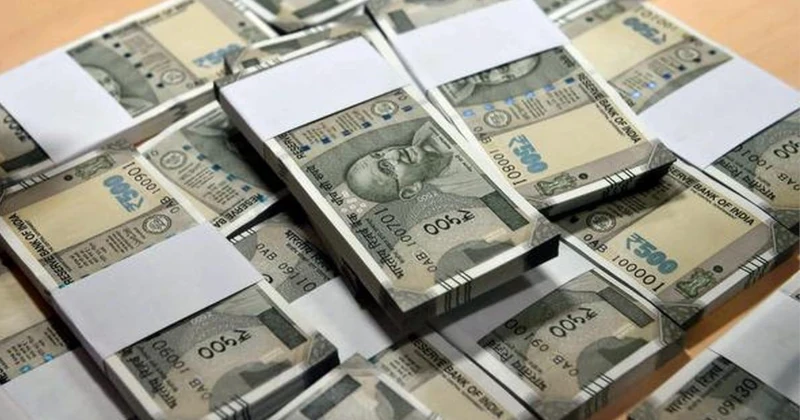
A new report by PRS Legislative Research has found that as many as 12 states across India have earmarked Rs 1.68 lakh crore for direct cash transfer schemes for women in the ongoing financial year 2025-26, a sharp rise from just two states three years ago. The report highlights both the rapid spread of women-centric welfare programs and the growing fiscal pressure they are placing on state economies.
The report notes that these Unconditional Cash Transfer (UCT) schemes are being promoted by state governments as tools to enhance the economic autonomy and social empowerment of women, particularly from poor and marginalised households. States such as Tamil Nadu, Karnataka, Madhya Pradesh, West Bengal, Assam, Maharashtra, and Jharkhand have introduced or expanded such programs in recent years.
Under these schemes, women are provided with monthly cash assistance ranging from Rs 1,000 to Rs 1,500 per month. For instance, Tamil Nadu’s Kalaignar Magalir Urimai Thogai Thittam, Madhya Pradesh’s Ladli Behna Yojana, and Karnataka’s Griha Laxmi Yojana have emerged as flagship welfare programs aimed at improving women’s financial independence and household stability.
However, the PRS report cautions that while these schemes enjoy significant political popularity, they are putting immense pressure on state finances. Of the 12 states implementing such initiatives, six have reported revenue shortfalls this fiscal year. “The expansion of unconditional cash support, while socially beneficial, has created long-term fiscal commitments that could crowd out essential spending in health, education, and infrastructure,” the report warned.
The report further observed that Assam and West Bengal have made major budgetary increases for women-centric programs. Both states, which had allocated approximately 15 per cent of their previous year’s welfare budget to women, have now doubled that share to 31 per cent in the 2025-26 budget. This rapid rise reflects the political importance of direct benefit schemes (DBTs) in regional governance, particularly ahead of crucial state elections.
The Reserve Bank of India (RBI) had previously cautioned states about excessive reliance on subsidies and welfare transfers, noting that such expenditure “is not conducive to long-term productive growth.” The central bank emphasised the need for balancing social equity programs with fiscal discipline, warning that sustained handouts without sufficient revenue generation could increase debt burdens.
Karnataka’s fiscal situation was cited in the report as relatively balanced — its fiscal deficit declined from 0.6 per cent to 0.3 per cent of the Gross State Domestic Product (GSDP) even without counting UCT expenditures. In contrast, Madhya Pradesh’s deficit widened from 0.4 per cent to 1.1 per cent, partly due to increased spending under the Ladli Behna Yojana.
In response to these fiscal pressures, some states have modified their schemes. The Maharashtra government, for example, reduced the monthly payment under the CM Ladki Bahin scheme in April 2025 to manage its growing fiscal deficit. Meanwhile, the Jharkhand government took the opposite approach, raising payments to Rs 2,500 per month under the CM Maiyan Samman scheme in late 2024, further expanding its welfare outreach.













Comments