





In a strong message to Beijing, US Treasury Secretary Scott Bessent has warned that the United States will dismantle China’s dominance in the rare earth industry within the next two years. Speaking to the Financial Times, Bessent said China “made a real mistake” by threatening export controls, arguing that the move backfired and exposed Beijing’s readiness to use critical minerals as a geopolitical weapon.
“China has alerted everyone to the danger. They have made a real mistake,” said Bessent. “It’s one thing to put the gun on the table. It’s another thing to fire shots in the air.”
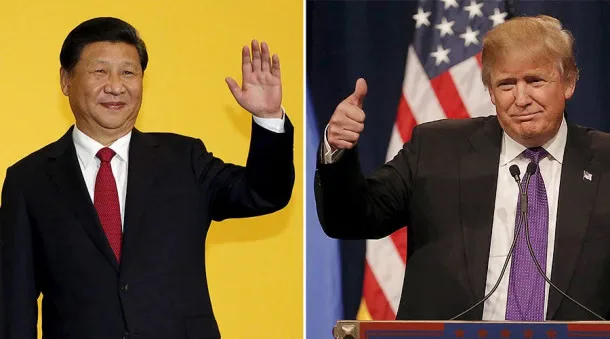
The comments came shortly after US President Donald Trump and Chinese President Xi Jinping held talks in South Korea, where both leaders agreed to a one-year truce over rare earth export restrictions. The temporary agreement allows both nations to operate within what Bessent called an “equilibrium” period, easing tensions in a trade sector critical to defense, electronics, and electric vehicles.
China currently produces around 70 percent of the world’s rare earths and processes nearly 90 percent of them, giving it vast control over a market essential for advanced technologies, from fighter jets to smartphones. In October 2025, Beijing imposed new export controls on rare earth technologies, a move that rattled global markets and disrupted supply chains.
However, Bessent indicated that the global backlash has unsettled Chinese leadership, who are now wary of pushing too far.
“They were slightly alarmed by the global reaction,” Bessent noted.
According to the Treasury Secretary, the US has already begun “offsetting measures” to reduce dependence on China, including ramping up domestic production and forging new partnerships for mineral supply.
“China will not be able to pull the same move again,” Bessent said confidently.
Under the latest trade understanding, Beijing has agreed to postpone its export regime and increase purchases of American soybeans, offering some relief to global manufacturers who depend on stable rare earth access.
The agreement signals a temporary reprieve in what has been one of the most strategic economic stand-offs between the world’s two largest economies.










Comments