





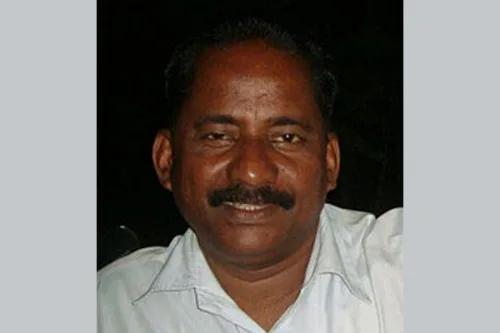
A letter from the Kerala Prisons and Correctional Services Department to jail superintendents has triggered a major political storm in the state. The communication reportedly sought a report on the possible and potential security implications if the convicts in the brutal murder of CPM rebel leader T.P. Chandrasekharan are released.
T.P. Chandrasekharan, who had parted ways with the CPI(M) and founded the Revolutionary Marxist Party (RMP), was hacked to death on 4 May 2012, in one of the most gruesome political murders in recent Kerala history.
Those convicted in connection with the murder include: M.C. Anoop (1st accused); Manojkumar alias Kirmani Manoj (2nd accused); N.K. Sunilkumar alias Kodi Suni (3rd accused); T.K. Rajeesh (4th accused); K.K. Mohammed Shafi (5th accused); Annan Shijhith (6th accused); K. Shinoj (7th accused). All of them were known CPI(M) workers in the region.
The recent letter, viewed as a prelude to their possible release, has alarmed many in political and civil circles. K.K. Rema, MLA and widow of Chandrasekharan, expressed deep anguish over the wording of the official letter, saying it “upsets and saddens” her. She alleged that such administrative steps show how little regard the state machinery has for justice in politically motivated killings.
The issue gained further traction after CCTV footage surfaced recently showing some of these convicts consuming alcohol while being escorted by police after a court hearing — an incident that went viral on social media and invited public outrage.
Earlier too, police had embarrassed the CPI(M) leadership by reporting that certain convicts in the Chandrasekharan case were running criminal and smuggling operations from inside the prison, including protection rackets and intercepting smugglers to seize their contraband, particularly in North Kerala.
The latest correspondence, therefore, has not only reignited old wounds but also raised serious concerns about law and order and political influence over prison management in the state.
For the Communists in Kerala, violence has never been an aberration — it has been a strategy. The familiar template is unmistakable: attack political opponents, serve jail sentences for a while, and then return to the streets to reassert dominance. This cycle, sustained over decades, forms an ecosystem that thrives on intimidation and political patronage.
The controversy surrounding the possible release of Chandrasekharan’s murderers once again exposes the modus operandi of CPI(M) under Chief Minister Pinarayi Vijayan — a system where loyalty often outweighs law, and where political retribution finds a convenient moral cover.
As the Home Department functions directly under CM Pinarayi Vijayan, questions are now being raised over whether his government intends to uphold justice or protect those who have served the party’s darker interests.
















Comments