





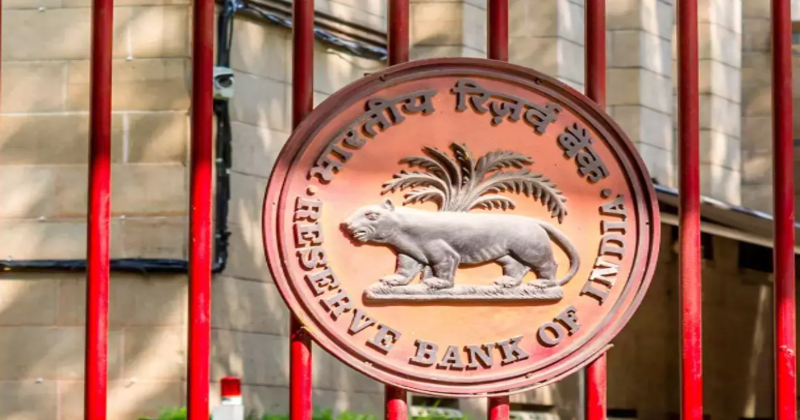
India is considering a major policy shift that could allow foreign investors to hold up to 49 percent stake in state-run banks, more than double the current limit of 20 percent, according to a report quoting a source familiar with the discussions.
The move, under review by the Finance Ministry in consultation with the Reserve Bank of India (RBI), is aimed at attracting long-term foreign capital and boosting the capital adequacy of India’s public-sector banks (PSBs), which collectively manage over half of the nation’s banking assets.
If approved, the new limit would bring public-sector banks closer to private lenders, where foreign ownership is permitted up to 74 percent. The step is seen as part of the government’s continued effort to modernise and globalise India’s banking system, while still retaining controlling interest.
Currently, the Indian government holds at least 51 percent stake in each of the 12 nationalised banks, ensuring state control even as reforms seek to make them more competitive and investor-friendly.
The report said that the proposed increase follows rising global investor interest in India’s banking and financial services sector. Recent large-scale acquisitions, such as Emirates NBD’s $3 billion purchase of a 60 percent stake in RBL Bank and Sumitomo Mitsui Banking Corp’s $1.6 billion acquisition of a 20% stake in Yes Bank (later raised to 24.99 percent), reflect the sector’s appeal to international players.
Notably, the higher foreign participation could improve liquidity, enhance efficiency, and boost valuations of state-run lenders. Following the Reuters report, the Nifty PSU Bank Index surged to a record 8,053.4, before closing 2.22 percent higher, signalling strong investor optimism.
According to The Economic Times, while the RBI supports steps to encourage foreign investment, certain safeguards will remain in place. The 10 percent cap on voting rights for any single shareholder is expected to continue, ensuring that no individual foreign entity gains excessive control over a public-sector bank.
India’s 12 state-run banks collectively hold assets worth Rs 171 trillion (approximately $1.95 trillion), representing 55 percent of the country’s banking sector. With rising capital requirements under Basel III norms and increasing demand for credit in infrastructure and MSME sectors, experts believe foreign investment could provide much-needed capital support.
As of now, the proposal is still in the consultation stage, with neither the Finance Ministry nor the RBI issuing an official statement. If implemented, it would mark one of the most significant banking reforms in over a decade, balancing government ownership with foreign participation to strengthen India’s public-sector banking ecosystem.
















Comments