





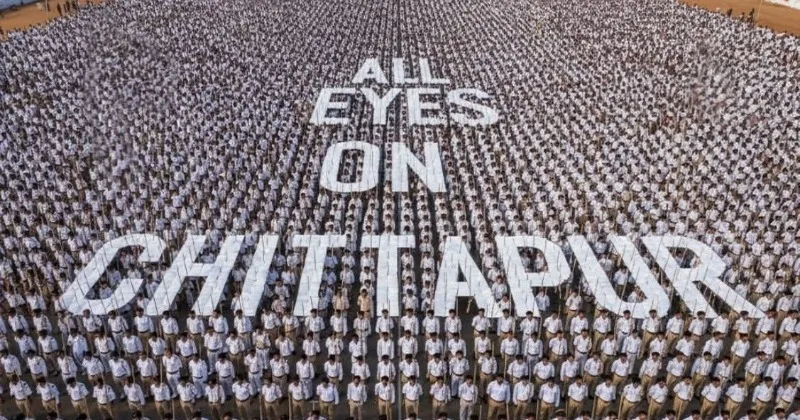
Bengaluru: The Kalaburagi High Court has issued an important directive regarding the Chittapur path sanchalan of the Rashtriya Swayamsevak Sangh, drawing significant attention across Karnataka. The court instructed the district administration to convene a peace meeting with all eight organisations seeking permission for processions on October 28 and submit a consolidated report before the next hearing, which has been adjourned to October 30 at 2:30 pm.
The proceedings came after the RSS filed a petition seeking permission to hold path sanchalan in Chittapur on November 2. In addition to the RSS, five other organisations submitted applications requesting permission for similar marches on the same date. The High Court, in a single-member bench presided over by Justice M.G.S. Kamal, heard all the petitions together to examine the administrative feasibility and law and order implications.
Advocate General Shashikiran Shetty, representing the district administration, argued that granting permission for the processions at this time could lead to serious law and order issues. He emphasised that multiple organisations seeking to hold marches simultaneously might create confusion, traffic congestion, and public safety concerns. Therefore, he requested that more time be allowed for the administration to deliberate and prepare a proper course of action.
Senior advocate Arun Shyam, representing the RSS, countered the government’s argument, stressing that the organisation had already been awaiting court-directed permission for the November 2 march. Shyam expressed frustration that as days pass, additional applications are being filed by other groups, causing unnecessary delays. He argued that law and order challenges should be managed by deploying additional security forces, including from the central government, if necessary, rather than denying permission to the RSS. He reiterated that holding the march was a constitutional right and that the repeated delays were undermining the organization’s ability to plan the event.
During the proceedings, the court noted the complexity of the situation, with eight organizations submitting requests for permission to conduct marches in Chittapur. The High Court emphasised the need for a coordinated approach to ensure public safety while balancing the rights of all organizations. It instructed the district administration to organize a peace committee meeting on October 28, inviting representatives from all eight groups, including the RSS, to discuss the logistics, route management, and security measures.
The Tahsildar of Chittapur, Nagaiah Hiremath, had earlier halted an RSS procession scheduled for October 19, citing incomplete information in the application and potential law and order issues arising from multiple requests. The High Court’s directive now provides a clear framework for addressing these concerns and ensuring that administrative decisions are made transparently.
The district administration is expected to submit a comprehensive report detailing the outcomes of the peace meeting, including agreements on procession routes, security arrangements, and coordination among organizations. Based on this report, the High Court will decide whether to grant permission for the RSS and other organizations to conduct marches on November 2.
The High Court has made it clear that the matter should be resolved quickly, urging the district administration to exercise its administrative capacity efficiently.
















Comments