





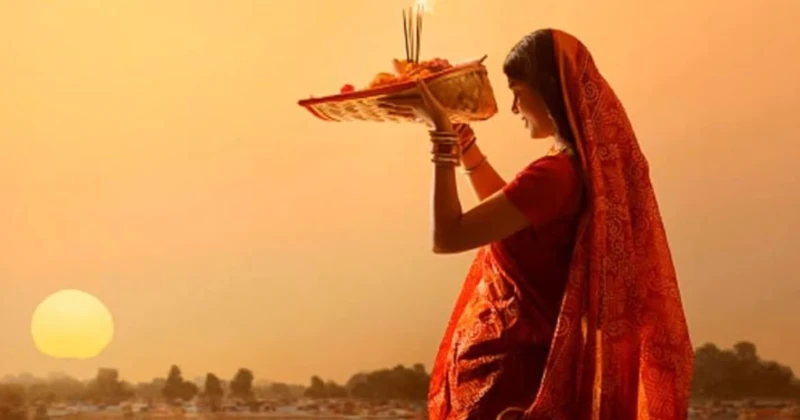
Chhath Puja is one of the most sacred and traditional Hindu festivals dedicated to Bhagwan Surya (the Sun God) and Chhathi Maiya, who is believed to be the goddess of energy and prosperity. This ancient festival is celebrated mainly in Bihar, Jharkhand, Eastern Uttar Pradesh, and parts of Nepal, with great devotion and purity. In 2025, the festival will begin on October 25, with the ritual of Nahay-Khay, and continue for four days until Tuesday, October 28, when the festival concludes with the final Usha Arghya (morning offering to the rising sun).
Day 1 – Nahay-Khay (October 25)
The first day of Chhath Puja 2025 begins with Nahay-Khay, which marks the beginning of this four-day-long spiritual observance. On this day, devotees especially women who observe the fast, known as vratin, take a holy dip in a river or pond, usually the Ganga ji or any nearby water body, to purify themselves. After bathing, they clean their homes thoroughly to ensure complete purity and sanctity.
The meal that is prepared on this day is purely satvik (pure vegetarian) and is cooked using rock salt (sendha namak) instead of regular salt. The traditional food items include Arwa rice, chana dal, and pumpkin curry, symbolizing simplicity and purity. This meal is offered to Chhathi Maiya before being consumed as prasad. It is believed that by following this ritual with devotion, devotees cleanse their body and soul and prepare themselves for the upcoming fasting days.
Nahay-Khay is also the day when devotees take the sankalp (vow) to observe the Chhath fast with full dedication and purity. It is said that the heart and mind should be free from negative thoughts, as the fast demands complete mental, spiritual, and physical purity. Devotees also sing traditional Chhath geet (folk songs) dedicated to Chhathi Maiya and Surya Dev.
Day 2 – Kharna (October 26)
The second day of the festival is known as Kharna, a very significant and emotional day for devotees. On this day, fasting becomes stricter. Devotees observe a full-day fast without even drinking a drop of water, which they break in the evening after performing the Kharna puja.
In the evening, after taking a bath and cleaning the surroundings, devotees prepare a special prasad of gud (jaggery) ki kheer (sweet rice pudding), made with raw rice, milk, and jaggery. Along with this, roti or puri made from ghee and wheat flour is also prepared. The prasad is first offered to Chhathi Maiya with deep devotion and prayers, and only after that do devotees eat it themselves and distribute it among family, friends, and neighbors.
It is believed that eating Kharna prasad removes sorrows and brings peace and happiness to the home. After Kharna, the devotees begin a 36-hour-long nirjala vrat (fast without food or water), which continues till the next evening’s Arghya to the setting sun. The discipline, faith, and devotion displayed during this period make Chhath Puja one of the most rigorous and spiritually uplifting festivals in India.
Day 3 – Sandhya Arghya (October 27)
This day is treated as the main day of Puja, because devotees offer the first Arghya to the setting Sun. The preparation for this day starts early in the morning. Families gather the traditional soops (bamboo baskets) filled with thekua (a sweet made of wheat flour, jaggery, and ghee), fruits like bananas, coconuts, and sugarcane, which are offered as prasad.
In the evening, devotees, along with their families, go to riverbanks, ponds, or ghats, where they perform the Sandhya Arghya standing in waist-deep water. The moment of offering Arghya to the setting Sun is truly divine, hundreds of diyas (earthen lamps) illuminate the ghats, devotional songs echo in the air, and the entire atmosphere becomes filled with spirituality and gratitude.
This ritual expresses thankfulness to the Sun God for sustaining life on Earth and granting energy, health, and prosperity. Women pray for the well-being and longevity of their family members, especially their children.
Day 4 – Usha Arghya (October 28)
The final day of Chhath Puja 2025 is known as Usha Arghya, when devotees offer water and prayers to the rising Sun. This marks the completion of the Chhath fasting. The early morning hours are filled with devotion, as devotees once again gather at the riverbanks to offer Arghya to the first rays of the sun, signifying new beginnings and the triumph of light over darkness.
After performing the morning Arghya, devotees break their fast by consuming ginger water or tulsi water followed by prasad. This ritual, known as Paran, marks the end of the four-day festival.
Spiritual Significance of Chhath Puja
Chhath Puja is not just a ritual; it is a festival of faith, purity, discipline, and gratitude. It is said that by observing this fast with a true heart, Chhathi Maiya blesses devotees with happiness, prosperity, and protection from diseases. The festival also lays emphasis on the importance of nature and the environment, as all offerings are made using natural elements like bamboo, fruits, grains, and sunlight. Moreover, Chhath teaches self-control, simplicity, and humility. The rituals symbolize the close relationship between humans and nature, and the recognition of the Sun as the eternal source of life and energy. As diyas light up riverbanks and traditional songs fill the air, Chhath Puja continues to remind us that gratitude and faith can illuminate even the darkest corners of life.
















Comments