





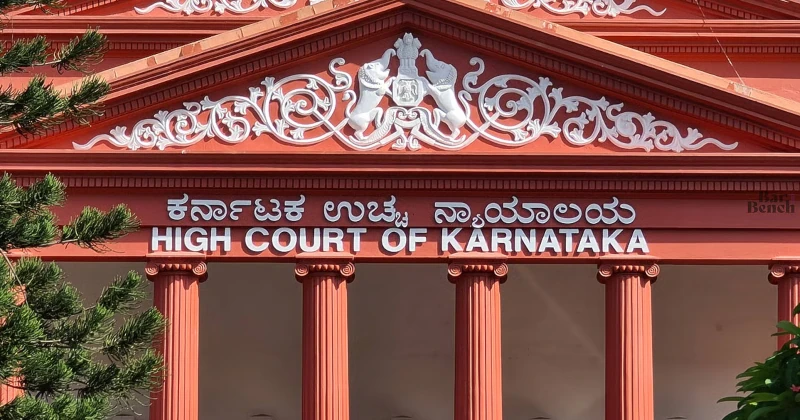
In a significant relief for the Rashtriya Swayamsevak Sangh (RSS), the Kalaburagi Bench of the Karnataka High Court has upheld the organisation’s right to hold a path sanchalan, reinforcing that the fundamental right to assembly cannot be curtailed arbitrarily under the guise of “law and order concerns.” The bench, hearing a writ petition filed by RSS leader Ashok Patil, has directed the petitioners to submit a fresh application detailing the path sanchalan route to the District Collector and instructed the state government to consider it fairly and without bias. The matter will next be heard on October 24 at 2.30 pm.
The issue arose when the Chittapur Tahsildar, Nagaiah Hiremath, suddenly denied permission for the RSS’s scheduled path sanchalan, citing vague law and order concerns. The denial, issued just a day before the event, was seen by many as a politically motivated move aimed at appeasing sections opposed to the activities of RSS.
The RSS, known for organising disciplined, silent, and peaceful path sanchalan that symbolise unity and national integrity, and as a repsonsibile organisation, approached the judiciary with faith in constitutional processes. Senior advocate Arun Shyam, appearing for the RSS, argued that the organisation had duly applied for permission and informed the police on October 13, followed by a formal application to the Executive Magistrate on October 17. Despite compliance with all procedural requirements, the administration denied permission without offering valid reasons.
During the urgent hearing before Justice M.G.S. Kamal, the Court sought clarity on the legal basis of such denials. The judge pointedly asked, “Is permission even necessary for a group to walk peacefully without raising slogans or staging protests? Under which specific law can such a right be denied?” This observation carried weight, as it questioned the state’s growing tendency to selectively restrict RSS events while allowing others with overt political or provocative agendas.
Advocate Vadiraj Kadlur, representing the petitioner, noted that there was no clear statutory provision requiring such permissions for peaceful processions. He further pointed out the double standards of the administration, which allowed protests by groups like the Bhim Army and Dalit Panthers on the very same day while denying the RSS’s non-political event. The High Court took note of this inconsistency and directed that both organisations be allotted separate timings to avoid any confrontation.
The petitioner also informed the Court that the RSS path sanchalan would now be held on November 2, reiterating that the organisation has successfully conducted over 250 path sanchalans across Karnataka in recent months without a single law and order issue. The High Court, recording this assurance, remarked that the state must not suppress lawful and peaceful assemblies merely due to political bias or fear of opposition.
The Court’s direction is being hailed by citizens and legal observers alike as a victory for fairness, democracy, and equal treatment before the law. The RSS’s disciplined, structured approach seeking judicial redress instead of confrontation has once again underscored its commitment to order and civic responsibility.
For decades, RSS has played a vital role in nation-building, social welfare, and public awareness initiatives, particularly in rural areas where government machinery often falls short. Its swayamsevaks are at the forefront of disaster relief, blood donation drives, and community education programs. Denying permission for such an organisation’s peaceful path sanchalan, observers say, only exposes the politicisation of administrative powers under the current Congress government in Karnataka.
The High Court’s intervention serves as a timely reminder that freedom of assembly and expression cannot be curtailed by political prejudice. As the legal battle continues, the RSS’s stand in Kalaburagi has become emblematic of a broader fight for the democratic right of every citizen to walk, gather, and express solidarity in peace and discipline.
With the next hearing scheduled for October 24, all eyes will be on whether the Congress-led administration respects the Court’s directive or continues to treat lawful, patriotic organisations like the RSS with undue suspicion and restraint.















Comments