





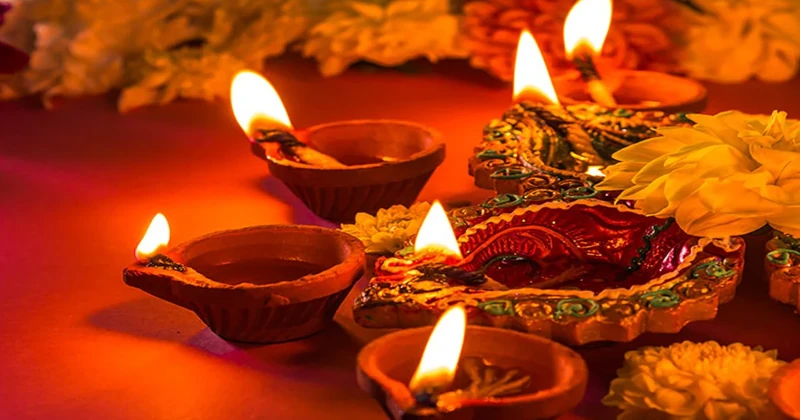
As the festival of lights draws near, Indian homes begin to glow with the warm radiance of diyas, marking the arrival of Choti Deepawali , also known as Naraka Chaturdashi, which will be celebrated this year on October 19, 2025. It is celebrated a day before the grand Deepawali, and it carries a profound message of the triumph of good over evil, light over darkness, and truth over falsehood. While Deepawali celebrates prosperity and new beginnings, Choti Deepawali reminds people to cleanse their surroundings and hearts of negativity, symbolising the victory of righteousness and inner purity.
The origins of Choti Deepawali are deeply rooted in Hindu mythology. According to ancient scriptures, the demon king Narakasura ruled the kingdom of Pragjyotishpur (modern-day Assam) and was known for his immense power and cruelty. Drunk with arrogance, he terrorized people, imprisoned thousands of celestial beings and women, and created chaos across the three worlds. His reign of fear and darkness eventually prompted the gods to seek help from Bhagwan Krishna. Responding to their plea, Krishna, accompanied by his consort Satyabhama, fought a fierce battle against Narakasura. On the fourteenth day of the waning moon in the month of Kartik, Krishna finally defeated and killed the demon. Before dying, Narakasura repented for his misdeeds and requested that the day of his death be celebrated with lights and joy, symbolizing liberation from evil. Krishna granted this wish, and since then, Naraka Chaturdashi has been celebrated as a day of victory, cleansing, and joy.
The spiritual meaning of Choti Deepawali goes far beyond the mythological story. It is not just about the destruction of a demon but about overcoming the darkness within oneself. Narakasura represents the inner evils of arrogance, greed, hatred, and ignorance that often cloud human judgment. The festival inspires people to conquer these inner demons and embrace light, symbolizing wisdom, compassion, and righteousness. Many families begin the day with the traditional oil bath, known as Abhyanga Snan. The ritual involves applying fragrant oils infused with herbs before sunrise, followed by a purifying bath. This practice is believed to cleanse the body and mind, preparing individuals for a day of peace and positivity. New clothes are worn, and prayers are offered to Bhagwan Krishna, Ma Kali, and Bhagwan Yama, seeking protection from evil and blessings for health and prosperity.
Across India, Choti Deepawali 2025 is celebrated under different names and customs, showing the country’s diverse cultural traditions. In North India, it is popularly known as Choti Deepawali , where people light diyas in the evening, decorate their homes with rangolis, and burst small crackers in anticipation of the main Deepawali festivities. In South India, Naraka Chaturdashi holds immense significance, sometimes even more than Deepawali itself. People wake up early, take oil baths, wear new clothes, visit temples, and exchange sweets with neighbors. In Maharashtra and Gujarat, the day is observed as Kali Chaudas, dedicated to Ma Kali, who is worshipped to destroy evil energies and protect devotees from harm. In Goa, the celebrations are unique and vibrant, with communities creating large effigies of Narakasura out of paper and straw. These effigies are paraded through the streets and then burned at dawn, symbolising the destruction of evil and the cleansing of the environment. Despite regional variations, the message remains the same, goodness will always prevail over evil.
One of the most important customs of this day is Yamadeep Daan, where a small lamp is lit facing south and placed outside the home to honor Bhagwan Yama, the god of death. This act is believed to protect family members from untimely death and bring peace to departed souls. Homes are thoroughly cleaned and decorated with colorful rangolis and fresh flowers. The evening sky lights up with rows of diyas, signifying hope and positivity. Families prepare festive delicacies such as laddoos, chaklis, and karanjis, and distribute them among friends and neighbors, spreading love and happiness.
In recent years, there has been a conscious effort to celebrate Choti Deepawali in an eco-friendly way. With growing awareness about environmental issues, many people have started avoiding loud firecrackers and are instead choosing green alternatives. The emphasis is now on lighting traditional clay diyas, using natural colors for rangoli, and buying locally made decorations to support Indian artisans. Government campaigns also encourage citizens to celebrate a “Swachh and Shubh Deepawali ,” promoting cleanliness and sustainability. This shift towards responsible celebration reflects the modern understanding of the festival’s true spirit, spreading light without causing harm to nature.
Choti Deepawali ’s message holds timeless relevance in today’s world. In an age where people are surrounded by competition, stress, and material desires, the festival reminds everyone of the importance of self-reflection and inner peace. It teaches that true victory lies not in defeating others but in overcoming one’s own weaknesses. Lighting a diya on Choti Deepawali is not just a ritual; it is a symbol of igniting one’s inner light and dispelling the darkness of ignorance, fear, and hatred. It encourages harmony, forgiveness, and renewal of positive energy within families and communities.
As dusk falls and diyas shimmer across homes, the beauty of Choti Deepawali 2025 lies in its simplicity and profound meaning. It is a time for families to come together, to express gratitude, and to celebrate the values that define Indian culture, truth, goodness, and compassion
Choti Deepawali , therefore, is not just a prelude to the grand celebration of Deepawali but a festival of its own significance. It reminds people that before welcoming wealth and prosperity, one must first purify the soul and banish negativity. It symbolizes renewal, courage, and faith in the power of righteousness.












Comments