






On September 28, 2025, at an event organised by Dr Syama Prasad Mookerjee Research Foundation, titled, ‘Naxal Mukt Bharat-Ending Red Terror Under Modi’s Leadership’, the audience was introduced to Rinku Devi, a survivor of the 1987 massacre that happened in Dalelchak and Baghaura villages in Aurangabad district where more than 50 people were brutally killed and beheaded by Naxals.
The only fault of the victims was that they had refused to bow down to the dictums of Naxals. Rinku Devi was merely 4 years old then, and had survived by sheer luck because she had gone out of the village with one of the family elders, barely a few hours before the massacre. That day, she lost both her parents, including her pregnant mother. As the audience stood shell-shocked in pin-drop silence, the middle-aged Rinku Devi with teary eyes narrated that this was the first time in past nearly 40 years, she was given a forum to express her agony and her story.
The Sinister Design
Naxals have often shown their utter disdain for Bharatiya constitution, ethos, traditions, culture, value system and above all patriotism. Driven by an alien violent ideology, funded through extortion, foreign support, and illegal mining, with day-dreams to subjugate Bharat and acquire power through barrels of the guns, Naxals had almost succeeded in creating the ‘Pashupati to Tirupati Corridor’, a vast tract of land spanning from Nepal to Andhra Pradesh down south.
At the core of this sinister agenda, was to have a vicious stranglehold of that region of Bharat that is richest in terms of minerals, and other natural resources, thereby ensuring that a civil war like situation prevails, and Bharat remains deprived from legally mining its own mineral to fuel her own economic growth, thereby stymieing Bharat’s growth possibilities and keep her choked. The pretext that Naxals ‘fight for the rights of the poor and vulnerable communities’ has been nothing but the façade to hide their original motive of dismantling Bharat. To presume they had no foreign connection to guide them in their sinister design would be a misnomer.
The Façade of being Pro-Poor
Had Naxals been genuinely interested in persuasion of tribal upliftment, they would have been the biggest proponents and ambassadors of development in backward and underdeveloped regions of Bharat. Instead, wherever the Naxals had put their feet on, they had ensured that those regions were cut off from the rest of Bharat, and developmental work by state or local administration were literally seen as ‘Enemy Action’. This was followed by indoctrination, abduction, sexual exploitation, killings and complete subjugation of the tribal population of that region, who were indoctrinated with poisonous literature to make them believe that the Government of India is their ‘biggest enemy’. This was how Naxalites were corroding Bharat from inside.
Half Hearted Approach of Past
Even though in 2009, the then Prime Minister of India, Manmohan Singh had termed Naxalism as, ‘the greatest internal security threat to our country’, the approach of UPA while dealing with Naxal terrorism was far from pragmatic. While Bharat’s security forces were fighting the heavily armed Naxals in the forest belts, urban counterparts of the Naxals almost have had a free run in top cities of Bharat, and almost always near the power centers, filing petitions in courts at will, crafting narratives against security forces in media, indoctrinating young minds in elite institutions, and doing everything possible to ensure that security forces always have had their hands tied while combating the Naxals. Brutal ambush and killing of Jawans, derailment of trains, abduction of government officials and human rights violations of innocent civilians in Naxal dominated regions, were all normalised. In almost 180 districts of Bharat, Naxals were literally running parallel governments.

Fire Cover for Red Terror
“At a time when India and Pakistan have declared a military ceasefire, the Union Government seems to be dead against a ceasefire and dialogue with the Communist Party of India (Maoist) (CPI-Maoist) waging insurgency in central India, even though they are Indian citizens, drawn from the poorest sections of the population. The Maoists have repeatedly issued calls for ceasefire, with the Telangana unit even announcing a unilateral ceasefire for six months, but the government is adamant that they must surrender unilaterally”
— Nandini Sundar, Known Maoist intellectual & Professor of Sociology at the University of Delhi, in her article in Wire (May 13, 2025)
It is indeed an irony as to how in just a decade’s time, the tides have turned so drastically. Under the guidance of Prime Minister Modi, and supervision of Union Home Minister Amit Shah, Bharat has witnessed an unprecedented turnaround. Naxalism, from its peak of having its reign over 180 districts of Bharat, covering almost 92,000 sq km, have now been reduced to around 18, with intensely affected districts being merely around 6.
A combination of a determined policy to eradicate the menace of Naxalism, a well-coordinated and comprehensive Whole-of-Government Approach (WGA) along with massive modernisation of state and central police organisations, involved in anti-Naxal operations, with MHA taking the lead in spearheading the coordination between various states, a liberal surrender policy, choking-off supply lines of Naxalites, and to top it all, a fundamental shift towards cutting-edge, tech-based surveillance and intelligence driven, mission specific operations, spanning across various states have led to several thousand lower rung Naxal cadres surrendering, and joining the mainstream, while hundreds of hardened Naxalites have been eliminated.
While several hundred Forward Operating Bases (FOB) have been opened for area dominance in some of the core Naxal bastions of Dandakaranya region, welfare measures, expansion of communication and road infrastructure, and tribal youth in thousands joining state and central forces to fight against the Naxal atrocities, turned the tide drastically against the Naxalites.
Tribals Emerge as Bharat’s Tip of Spear
The stories of valour of personnel of special units of Chhattisgarh Police such as DRG, STF, Bastar Fighters, Bastariya Battalion of CRPF, C-60 of Maharashtra Police, SOG of Odisha Police, in addition to Central Forces like CRPF, BSF, SSB and ITBP, would always be inscribed in golden words. The tribals taking the fight against the Naxal terrorists, and emerging as the tip of the spear in the war against Naxal terrorism, has been the biggest slap on the face of the Urban Naxals.
The Drama of Ceasefire
Over the last few months frantic efforts have been made by top leadership of the Naxalites push for ceasefire, especially after many of their top Central Committee members have been eliminated in gunfire. Modi Government has rightfully not paid heed to any of it because ceasefire attempts by Naxals is only for buying time to regroup and re-arm, and has little to do with any intent to shun violence. The Naxals today find themselves in precarious situation after having witnessed massive desertion among their ranks, and people in those regions coming out of their shadow of fear to expose the Naxalites and their sinister designs.
Time to hit where it hurts
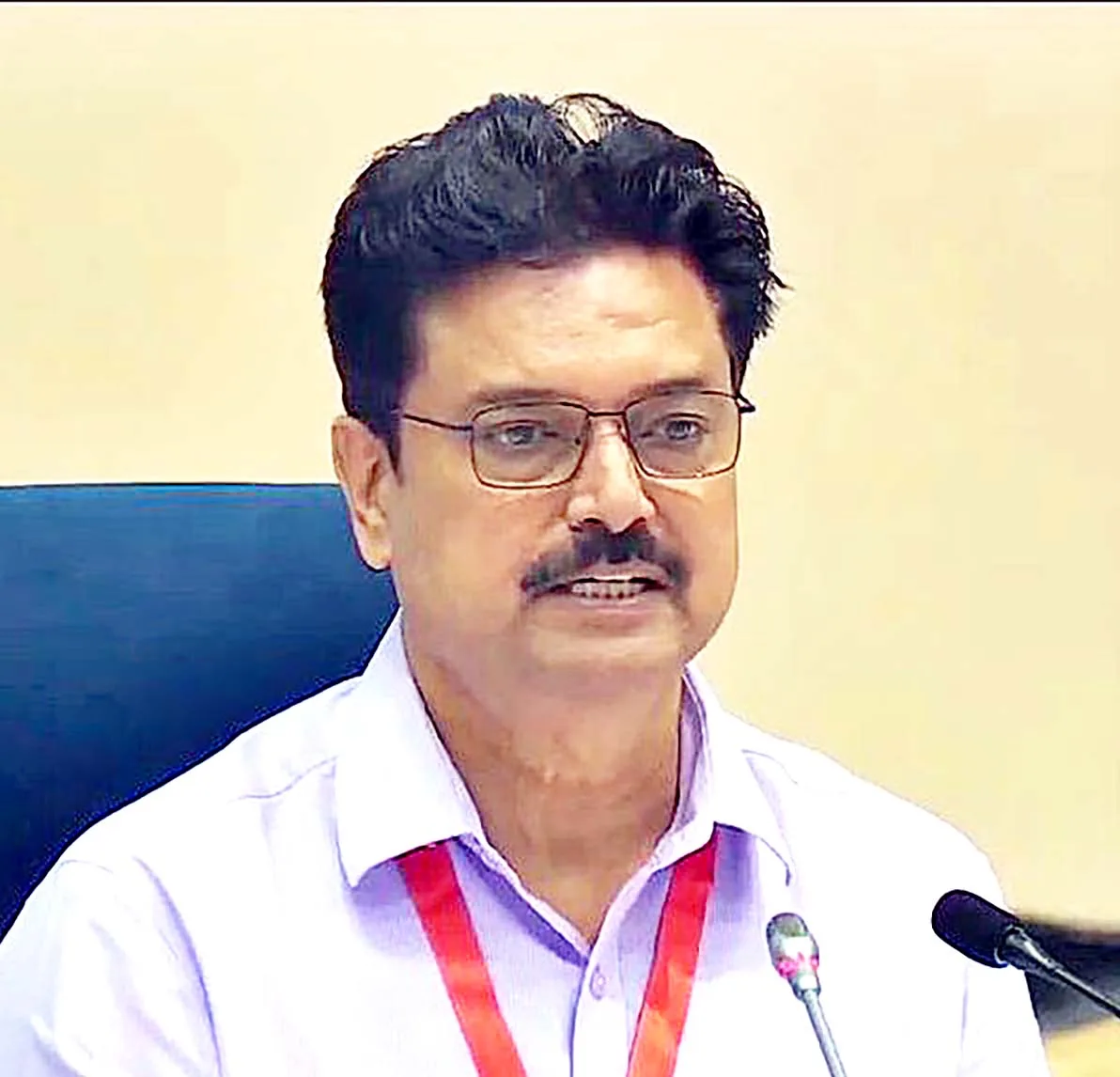
“The roots of Naxalism embedded inside universities, which has spread Naxalism in the forests, is anti-poor and works to keep the poor poorer in the name of poverty. How to deal with this? We will fulfil one challenge (dealing with Naxals in the forest), but the second challenge is equally important because the core system is there. I want to quote a statement from the Prime Minister who said that because of Government’s decisive actions, Naxalism is being cleared from forests, but today it is spreading its feet in urban centers. We must remember that urban Naxals harm both our development and heritage. If Bharat wants to become a developed nation, it needs both development and heritage. Therefore, I especially tell political parties, social organisations, professors, students, doctors, and engineers to work very carefully and thoughtfully. Media personnel must also be very wise because they have no faces. When we talk about urban Naxals, they can be professors in universities, doctors, or employees. They may appear in any form. Think of the 2016 incident in Jawaharlal Nehru University when slogans supporting Afzal Guru were raised, such as “Bharat Tere Tukde Honge, Inshallah, Inshallah” and a war till Bharat’s destruction was proposed. Didn’t all of us bow our heads in shame? Absolutely yes. Isn’t this a defeat of education? Isn’t this an example of urban Naxalism—how education has lost and whose minds are being corrupted? Urban Naxal professors and teachers corrupt the minds of young and innocent children who come to study at universities from different parts of the country, unaware of many things. Some come from cities, small towns, villages, or remote forests. They each have their own struggles, and because of these struggles, they are misled and their minds polluted. This is how urban Naxalism flourishes in universities. If not dealt with, the resolve fulfilled in forests will fail and restart. Hence, it is very important to pay attention to this and create an environment to fight it.”
— Prof Yogesh Singh, Vice-Chancellor, University of Delhi, at “Naxal Mukt Bharat: Ending Red Terror Under Modi’s Leadership”, delivered on September 28 at Vigyan Bhavan
Yet the sympathisers of Naxals in Urban landscape continue with their fake arguments of ‘rights’ and ‘constitution’ to seek support for ceasefire calls, the same very Constitution that Naxalites have systematically refused to adhere to.
Beware of Urban Naxals
While it is certain that by early 2026 Bharat will, by and large, be free from the terror of armed Naxalism, both Prime Minister Narendra Modi and Home Minister Amit Shah have cautioned the nation about the continuing threat posed by Urban Naxals, who seek to influence and mislead Bharat’s young generations in cities. Dealing with Urban Naxals and their destructive agenda will require a major overhaul of what is being taught in the Humanities departments of Bharat’s universities and elite institutions such as the IITs and NITs, vigilant oversight of the activities of foreign-funded NGOs, and close monitoring of social media to ensure that young minds are not driven towards chaotic violence in the name of ‘revolution’.
Countering Naxals in the forests of Bharat is far more straightforward than dealing with Urban Naxals, who disguise themselves as ‘concerned citizens’ while corroding the nation from within by cultivating societal fault lines to create animosity, civil unrest, and anarchy through the amplification of fissures. No country provides as much space for dissent as Bharat does. It is, therefore, the collective responsibility of all citizens to ensure that this space for dissent is never allowed to be hijacked by vested interests seeking to vitiate the nation’s atmosphere that would impact Bharat’s collective development. The war is far from over, especially as such vested interests remain desperately determined to disrupt Bharat’s growth story by fostering anarchy-like situation.















Comments