





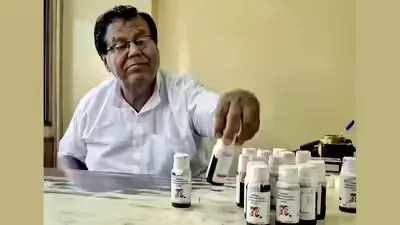
In a horrifying reminder of regulatory failures and corporate greed, toxic cough syrups have killed more than 300 children worldwide over the past three years, including 16 children in Madhya Pradesh and Rajasthan in recent weeks. The deaths, mostly caused by industrial chemicals like ethylene glycol (EG) and diethylene glycol (DEG), have exposed glaring loopholes in India’s pharmaceutical monitoring system.
From The Gambia to Indonesia, Uzbekistan to India, a common thread runs through these tragedies: cheap, untested industrial substitutes replacing safe pharmaceutical-grade solvents, leading to acute kidney failure and the deaths of toddlers.
What makes these cough syrups poisonous?
According to paediatrician Dr Jitendra Piple from Bhopal, quoted in media reports, most cough syrups contain two main components: the active medicine and a solvent that dissolves it.
The active medicine: Syrups generally include chlorpheniramine and phenylephrine for minor coughs, while dextromethorphan hydrobromide is used for children above four years. For phlegm-heavy coughs, ambroxol or guaifenesin is added, and in severe congestion, bronchodilators like levo-salbutamol are prescribed.
The solvent: The medicine powder needs a liquid base to dissolve, typically glycerin, propylene glycol, or sorbitol. These are thick, sweet liquids safe for children. However, some manufacturers illegally substitute them with ethylene glycol (EG) or diethylene glycol (DEG), industrial chemicals found in paint, brake fluid, and antifreeze coolants.
Both EG and DEG are colourless, odourless alcohols that look and taste like safe solvents, making them an easy but deadly replacement.
The World Health Organisation (WHO) mandates that EG or DEG levels must not exceed 0.1 percent in medicines. India’s Central Drugs Standard Control Organisation (CDSCO) follows the same limit. But when manufacturers skip proper testing, these chemicals contaminate syrups, turning them into slow poisons.
Why are EG and DEG so deadly?
Once consumed, EG and DEG break down into highly toxic acids in the body. Ethylene glycol forms oxalic acid, while diethylene glycol produces HEAA (hydroxyethoxyacetic acid). These by-products trigger metabolic acidosis, causing the blood to turn dangerously acidic.
The kidneys and nervous system are among the first to fail, followed by breathing difficulties and cardiac complications. Doctors say the children’s bodies are unable to excrete the chemicals, leading to irreversible kidney damage and death within hours or days.
The Global toll: Over 300 deaths since 2022
The pattern of deaths across countries shows how one country’s regulatory failure can become a global health catastrophe.
The Gambia (2022): 66 children died after consuming syrups made by Maiden Pharmaceuticals (Haryana, India). WHO found dangerously high EG and DEG levels in four of their products.
Indonesia (2022): Around 200 children died from kidney failure linked to contaminated syrups. The government banned seven medicines and filed cases against several pharma firms.
Uzbekistan (2022): 18 children died after consuming Dok-1 Max syrup produced by Marion Biotech Pvt Ltd, which tested positive for EG contamination.
Cameroon (2023): Six children died after taking Naturcold syrup containing 28.6 percent DEG, nearly 200 times the permissible limit. The label falsely claimed it was made by “Fraken International (England)” but investigations traced it back to Riemann Labs (India).
Jammu & Kashmir (2020): 12 children died after consuming Coldbest-PC syrup by Digital Vision Pharma, which contained 34 percent DEG.
Why do pharma companies use these deadly chemicals?
The answer, many say, is pure profit.
Pharmaceutical-grade glycerin and propylene glycol are expensive. But ethylene glycol and diethylene glycol cost a fraction of that price and appear identical. Unscrupulous manufacturers use them to cut costs, confident that poor oversight will help them escape detection.
Dr Piple as quoted in the media, said that new brands of cough syrups appear every year, often under different names but made from the same unsafe formulations. “Some doctors, either carelessly or under the influence of medical representatives, prescribe them to children without verifying quality,” he said.
Why can’t the government stop it?
Despite repeated deaths, toxic cough syrups keep entering the market due to regulatory loopholes, corruption, and weak penalties.
Easy Licensing: India has over 13,000 licensed pharmaceutical companies, making it the third-largest medicine exporter globally. State authorities can issue production licences without rigorous checks if a company uses an existing drug formula. Since 2023, firms are required to have a Good Manufacturing Practice (GMP) certificate, but enforcement remains patchy.
Collusion and Negligence: Drug control officers and pharma companies often collude. A Dainik Bhaskar investigation found that a senior Rajasthan Drug Controller manipulated data to protect 15 companies caught producing fake or substandard drugs. False reports were even sent to NITI Aayog and the Lok Sabha, later exposed through an internal probe.
Weak Punishment: After The Gambia tragedy, India’s regulators claimed samples from Maiden Pharma’s Haryana plant were clean. The firm was allowed to resume operations within weeks, facing no criminal charges or financial penalties.
Similarly, in the Marion Biotech case, the company was initially only told to “halt production” despite failing to produce basic documents related to the toxic Dok-1 Max syrup. Only later were its directors declared absconders, and the UP Drug Controller revoked its licence.
The Madhya Pradesh and Rajasthan cases
The most recent tragedy unfolded in Chhindwara, Madhya Pradesh, where 16 children died within 32 days after consuming Coldrif cough syrup.
The first suspected case appeared on 24 August 2025, and the first death occurred on 7 September.
By early October, the toll had risen to 16, with confirmed kidney failure as the cause of death.
The syrup, made in Kanchipuram (Tamil Nadu), was found to contain 48.6% diethylene glycol, nearly 500 times the safe limit.
Following the findings, both Tamil Nadu and Kerala governments banned the product, and on 4 October, police filed an FIR against the drug manufacturer and Dr Praveen Soni, the doctor who prescribed it. He was arrested the same night.
Madhya Pradesh Chief Minister Mohan Yadav announced a compensation of Rs 4 lakh per affected family, promising strict action against negligent officials.
In Rajasthan, three more children died in Bharatpur, Sikar, and Churu districts after taking another syrup containing dextromethorphan hydrobromide. On 4 October, the Rajasthan government banned 19 medicines produced by Kezens Pharma and suspended Drug Controller Rajaram Sharma for dereliction of duty.
Accountability and testing
Health experts quoted in a report say these recurring tragedies stem from systemic negligence, not isolated accidents. Every cough syrup containing glycerin must undergo rigorous testing for EG and DEG contamination, as mandated by WHO. Yet, labs often skip this step to save time and cost.
India’s drug regulatory mechanism, split between central and state authorities, creates further confusion, allowing offenders to exploit jurisdictional gaps.
Public health activists are calling for a nationwide audit of all licensed pharmaceutical units, stricter testing protocols, and criminal liability for manufacturers and officials found complicit in cover-ups.
A preventable tragedy
The deaths of hundreds of children, many under the age of five, show a devastating truth: these were not accidents but preventable crimes born of greed and neglect. From Chhindwara to The Gambia, the stories are the same, parents giving a syrup meant to heal, only to watch their children die in pain.
As global outrage mounts and investigations widen, many warn that unless India’s drug oversight system is overhauled, the world’s “pharmacy of the Global South” risks turning into a source of global poisoning rather than healing.











Comments