





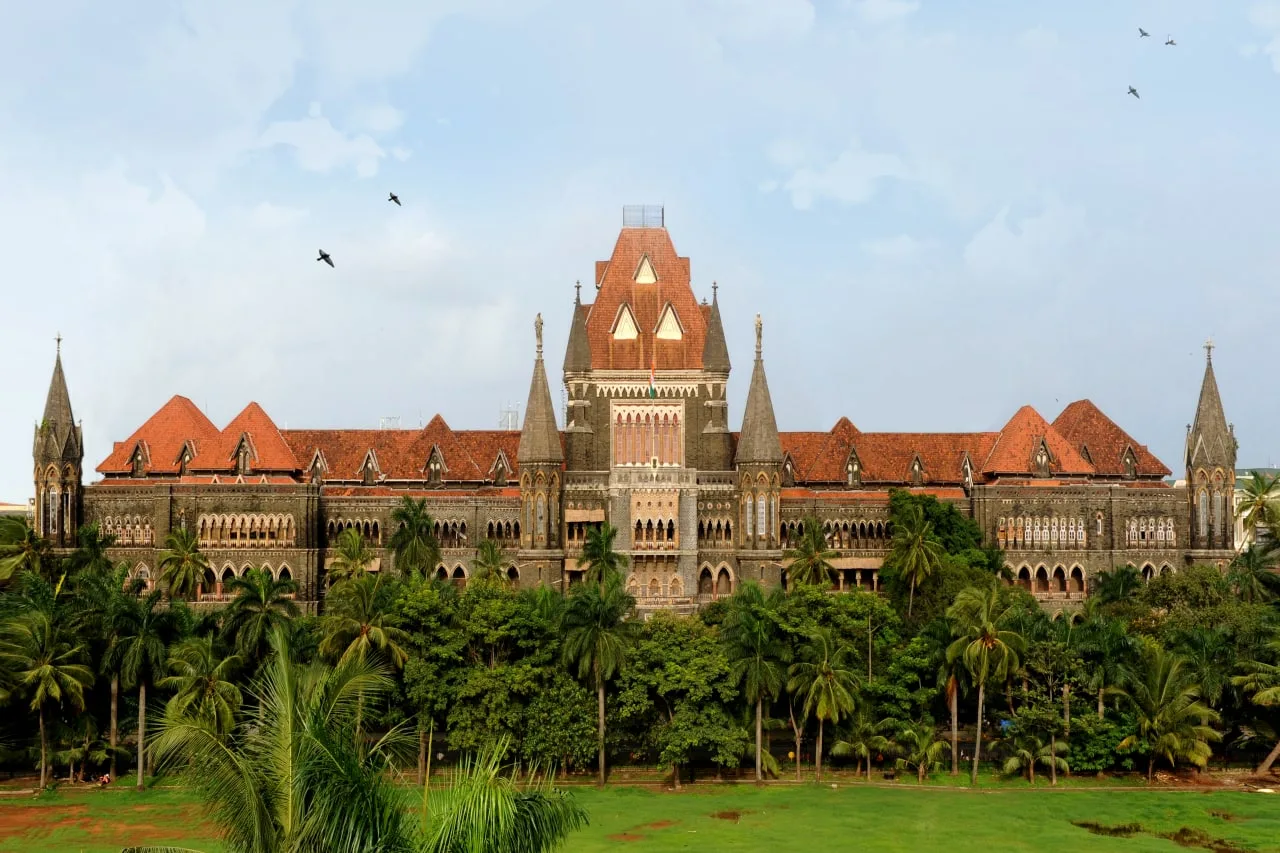
The Bombay High Court on October 3, dismissed Satara Additional Sessions Judge Dhananjay Nikam and Palghar Civil Judge (Senior Division) Irfan Shaikh following findings of grave misconduct and behaviour “unbecoming of judicial officers.”
According to media reports, the High Court’s disciplinary committee conducted an internal inquiry before recommending dismissal. Both judges were found guilty of violations that seriously undermined judicial ethics and public trust.
The first case involved Additional Sessions Judge Dhananjay Nikam of Satara, who was accused of demanding a Rs 5 lakh bribe for a favourable court order. The Anti-Corruption Bureau (ACB) registered a case against Nikam in late 2024, alleging his involvement in soliciting illegal gratification through intermediaries.
According to the ACB, Kishor Sambhaji Kharat from Mumbai and Anand Mohan Kharat from Satara approached a woman seeking bail for her father, allegedly demanding Rs 5 lakh on Nikam’s behalf.
The demand reportedly took place between December 3 and 9, 2024, and was confirmed during the investigation. The ACB subsequently booked Nikam, the Kharat family, and another unidentified person under relevant sections of the Prevention of Corruption Act.
In January 2025, Nikam applied for anticipatory bail before the Bombay High Court, claiming that he was falsely implicated. However, the court rejected his plea in March, allowing the investigation to proceed.
The second case pertains to Civil Judge (Senior Division) Irfan Shaikh from Palghar, who faced charges of corruption and misuse of narcotics seized during NDPS (Narcotic Drugs and Psychotropic Substances) Act proceedings.
According to the inquiry findings, Shaikh had allegedly consumed narcotic substances that were part of court evidence while presiding over related cases. This serious breach of judicial integrity led to immediate suspension and a departmental inquiry.
A petition against Judge Shaikh is still pending before the High Court, and his dismissal follows confirmation of misconduct by the disciplinary committee.
Senior officials from the Bombay High Court stated that both dismissals were approved after due process and careful consideration of the inquiry findings. “Judicial officers must maintain the highest standards of conduct. Any lapse, particularly involving corruption or misuse of authority, cannot be tolerated,” an official source quoted in media.
The decision comes amid increasing focus on judicial accountability across India. The Supreme Court and several High Courts have recently emphasised the need for internal vigilance mechanisms to curb corruption within the lower judiciary.
















Comments