





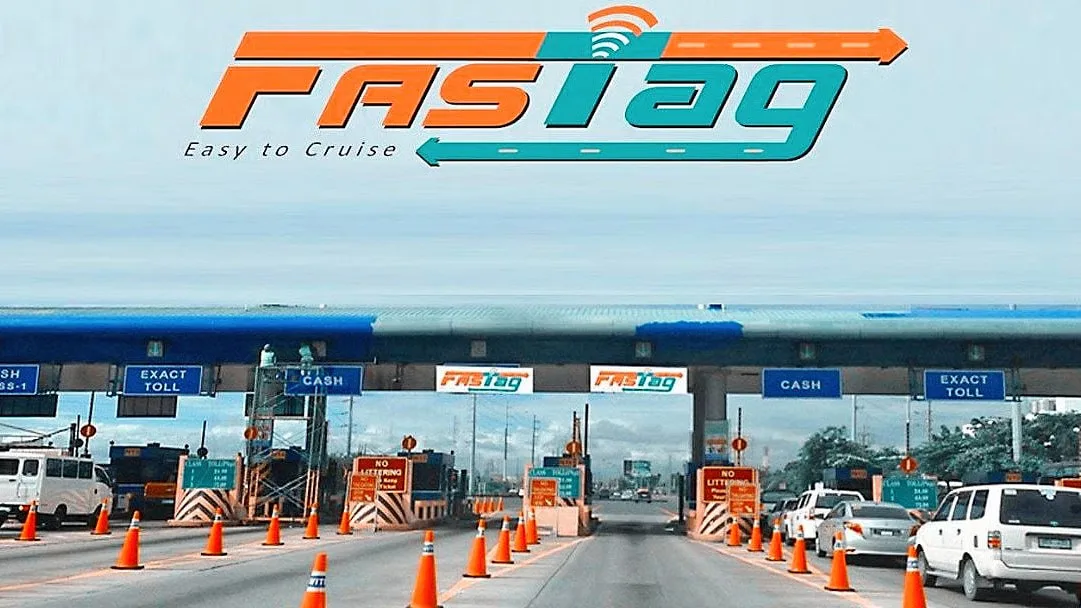
Promoting digital payments and reducing congestion at toll plazas, the government has notified new toll collection rules under which vehicles without a valid FASTag will be charged extra. Starting November 15, 2025, drivers paying through the Unified Payments Interface (UPI) will have to shell out 1.25 times the regular toll fee, while those choosing to pay in cash will continue to pay double the normal amount.
The Ministry of Road Transport and Highways (MoRTH) issued a notification on October 4, introducing the National Highways Fee (Determination of Rates and Collection) (Third Amendment) Rules, 2025. These changes, the ministry said, are designed to encourage digital transactions, increase transparency, and enhance the efficiency of toll operations on India’s rapidly expanding highway network.
“Under the new rule, vehicles entering a fee plaza without a valid, functional FASTag will be charged twice the applicable user fee if payment is made in cash. Such users who opt to pay via UPI will be charged only 1.25 times the applicable user fee,” the MoRTH notification stated.
To illustrate, if the normal toll rate for a vehicle category is Rs 100 when paid via FASTag, a driver paying through UPI will now pay Rs 125, while one paying in cash will have to pay Rs 200.
The ministry clarified that the move is part of a broader government initiative to reduce cash handling, minimise revenue leakages, and promote seamless travel across national highways. The new system, it said, aligns with India’s digital transformation push and the government’s goal of building a cashless highway ecosystem.
Officials said the amendment will significantly enhance the transparency and reliability of toll collection, while also helping to ease long queues at plazas. With more users shifting to digital modes like FASTag and UPI, the ministry expects a noticeable improvement in travel times and operational efficiency.
“The amendment aims to strengthen the fee collection process, enhance transparency, and promote ease of commuting for highway users,” the ministry said.
Introduced in 2016, FASTag, based on Radio Frequency Identification (RFID) technology, has become a key pillar of India’s electronic toll collection system. The tag enables automatic deduction of toll charges, allowing vehicles to pass through plazas without stopping.
Over the years, the government has made FASTag mandatory for most vehicles, leading to over 98% adoption across national highways. However, occasional lapses—such as expired tags or vehicles without FASTags—continue to cause delays and revenue losses.
The introduction of differentiated toll rates marks another milestone in India’s march towards a fully digital highway ecosystem. With over 6.5 crore FASTags issued and toll revenues crossing record levels, the government hopes this step will make travel faster, fairer, and more transparent for millions of motorists nationwide.
As the November 15 rollout date approaches, authorities have urged commuters to ensure their FASTags are active and linked to valid accounts, ensuring smooth, penalty-free travel on India’s highways.














Comments