





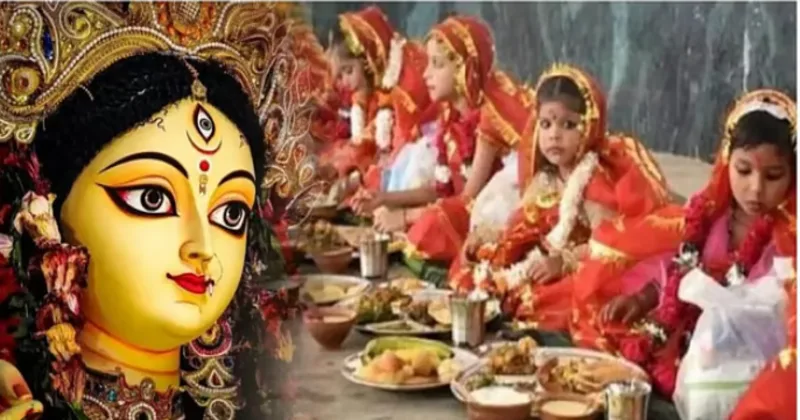
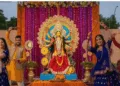
Navratri, the nine-day festival dedicated to Durga Ma, is one of the most vibrant and spiritually significant celebrations in India. Each day of the festival is devoted to a different form of the devi ma, representing her many powers, virtues, and manifestations. While the entire nine days are filled with devotion, fasting, prayers, and cultural celebrations, the last days of Navratri hold a special significance. It is during this period that rituals like Kanya Puja, Havan, and Durga Visarjan are performed, marking both the completion of worship and the symbolic return of the devi ma.
These closing rituals show devotion, gratitude, and renewal, reminding devotees that the devi ma’s power is everlasting and continues to guide them even after the festival ends.
One of the most important rituals is Kanya Puja, also called Kanjak in North India. Usually performed on the eighth (Ashtami) or ninth (Navami) day, it is based on the belief that the divine feminine energy, or Shakti, is present in its purest form in young girls.
On this day, nine girls symbolising the nine forms of Devi Ma are called into homes and temples. Their feet are washed as a mark of reverence, and they are offered traditional foods, usually halwa (a sweet dish), puri (fried bread), and black chana (chickpeas). The meal, often lovingly prepared by the family, represents devotion, gratitude, and the fulfillment of the fasting period.
After the meal, the girls are given gifts, money, or small tokens, such as bangles, dupattas, or toys, as a gesture of respect. In many households, a young boy is also invited along with the girls, known as Langura, symbolizing the protective energy accompanying Devi Ma.
Kanya Puja emphasizes that innocence and purity are closest to divinity. The worship of young girls reminds devotees that the feminine force is to be cherished, respected, and protected. It also reinforces the idea that the Devi Ma resides within every woman and girl, carrying the essence of strength, compassion, and wisdom.
Havan: The Sacred Fire Ritual
As Navratri 2025 nears its end, devotees also perform Havan or Yagna, a sacred fire ritual considered the spiritual culmination of prayers. Offerings such as ghee, grains, herbs, and wood are poured into the fire while chanting mantras.
The flames are believed to purify the atmosphere and invoke the blessings of Durga Ma. Symbolically, the act of offering into the fire represents surrendering one’s ego, desires, and negativity, paving the way for renewal.
Families often perform the Havan at home, while larger community gatherings witness collective Yagnas in temples or pandals, where priests lead the rituals. The smoke rising from the sacred fire is seen as carrying prayers to the divine, ensuring peace, prosperity, and protection for the devotees.
The final day of Navratri, often celebrated as Vijaya Dashami (Dussehra 2025), is marked by Durga Visarjan, the ritual immersion of Durga Ma’s murtis in rivers, ponds, or the sea. The immersion is both emotional and symbolic. Devotees bid farewell to Devi Ma, believing that she returns to her heavenly abode, but not before blessing her followers with strength, happiness, and abundance.
In regions like West Bengal, Durga Visarjan is a grand spectacle. Women perform the ritual of Sindoor Khela, where married women apply vermilion on each other’s faces before bidding goodbye to Devi Ma. The murtis are then taken in processions accompanied by music, dance, and chants of “Asche Bochor Abar Hobe” (She will return next year).
In North India, particularly in states like Uttar Pradesh and Bihar, visarjan ceremonies are often combined with the burning of effigies of Ravana, Meghnath, and Kumbhkaran during Dussehra, symbolizing the triumph of good over evil. In Maharashtra and Gujarat, visarjan is marked by community gatherings, devotional songs, and dance, ensuring that the farewell is as grand as the welcome.
Regional Variations in Final Rituals
India’s cultural diversity ensures that the end of Navratri is celebrated in unique ways across regions:
- North India (Uttar Pradesh, Punjab, Haryana): Kanya Puja and Jagran (night-long devotional singing) dominate the last days. Families host girls at home, and community feasts are common.
- West Bengal: The festival culminates in Durga Puja, with elaborate pandals, idol immersion, and Sindoor Khela. The emotional farewell to Maa Durga is a defining moment.
- Gujarat: While Garba and Dandiya Raas dominate the nine nights, the festival ends with Havan and Visarjan, often accompanied by processions.
- Maharashtra: Devotees celebrate by visiting temples, performing Havan, and offering prayers for family well-being before the immersion.
- South India: In Tamil Nadu and Karnataka, the festival concludes with Ayudha Puja and Saraswati Puja, where books, tools, and instruments are worshipped. The final day often involves distributing gifts and offerings.
Spiritual Significance of the Final Days
The rituals performed during the last days of Navratri go beyond tradition, carrying profound spiritual significance. Kanya Puja emphasizes honoring the feminine energy and the innocence it represents, while Havan reflects the cleansing of the mind, body, and surroundings through sacred offerings. Visarjan, on the other hand, reminds devotees that although physical forms are temporary, the divine energy of devi is eternal. Taken together, these rituals symbolize completion, renewal, and continuity, assuring devotees that while the festival concludes, the blessings and guiding presence of Devi Ma remains with them throughout the year.
In today’s fast-paced world, the rituals of the last days of Navratri serve as gentle reminders of values often overlooked. Kanya Puja highlights the importance of respecting women and children in society. Havan emphasizes the need for purification and inner peace amidst chaos. Visarjan teaches the lesson of detachment, accepting that everything in life is temporary, yet every ending brings the promise of a new beginning.
The last days of Navratri are devoted to Kanya Puja, Havan, and Durga Visarjan. They blend devotion with symbolism, offering spiritual closure to the nine days of worship. These rituals remind us that festivals are not just about celebrations but about imbibing lessons of respect, purity, courage, and renewal into our daily lives.
As devotees bid farewell to Maa with folded hands and hopeful hearts, the promise of her return keeps faith alive, reinforcing the timeless message that good always prevails, and divine energy continues to guide humanity.












Comments