





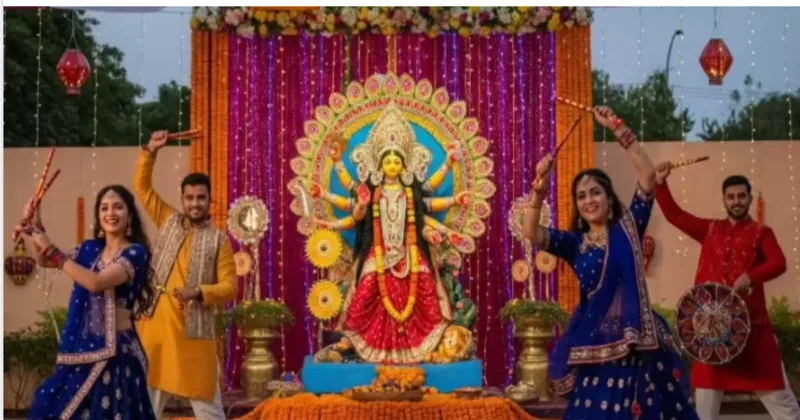
Navratri 2025, dedicated to Devi Ma and her divine forms, has grown beyond being a spiritual festival to becoming a major force in India’s cultural tourism. The event not only unites devotees in prayer and festivity but also attracts millions of domestic and international travelers, creating vibrant opportunities for the tourism and hospitality sector. Cities and pilgrimage towns across India come alive with music, dance, rituals, and artistry, transforming Navratri into both a spiritual journey and a cultural spectacle.
Each state showcases its traditions in distinct ways, giving tourists varied experiences to explore. In Gujarat, the famous Garba and Dandiya nights are the heart of Navratri celebrations. Thousands of people dressed in colorful clothes dance together to traditional music, creating a lively and unforgettable scene. This unique celebration attracts not only locals but also tourists from across India and abroad, many of whom plan their visits around the festival. To promote this cultural treasure, the state government organizes “Vibrant Navratri” events, where visitors can enjoy not just the dances but also fairs, exhibitions, and folk performances that showcase Gujarat’s rich traditions.
In West Bengal, the festival reaches its peak with Durga Puja, which has turned Kolkata into a global cultural hotspot. Grand pandals, creative themes, and beautifully crafted idols attract lakhs of visitors every year. Day and night, the streets stay crowded as people move from one pandal to another, enjoying the festive spirit. UNESCO’s recognition of Kolkata’s Durga Puja as an Intangible Cultural Heritage has made it even more popular, drawing tourists from around the world. Travel agencies now offer special Durga Puja packages for foreign visitors, giving them a chance to explore Bengal’s art, music, and food traditions up close.
Religious destinations also see a surge in devotees during Navratri. Holy towns such as Varanasi, Ayodhya, Haridwar, and the Vaishno Devi shrine record heavy footfalls, with trains and flights running at full capacity. Pilgrimage travel during this period provides a significant boost to local economies as hotels, guesthouses, transport services, and eateries see record demand. Many small towns that depend on seasonal pilgrimage receive their largest share of income during Navratri, which helps sustain livelihoods for the rest of the year.
The economic impact of the festival is visible across sectors. Hotels report near-full occupancy, with prices rising due to high demand. Online booking platforms show a spike in both luxury and budget stays, while transport providers add special trains and flights to accommodate travelers. Local artisans also benefit, as idol-makers, potters, costume designers, and folk musicians receive months of work leading up to the celebrations. In Kolkata’s Kumartuli, the famous idol-making hub, the entire neighborhood thrives on the orders received for Durga Puja. Similarly, in Gujarat, tailors, jewellers, and vendors of traditional clothing enjoy brisk business as people shop extensively for Garba nights.
Modern elements have also added to Navratri’s appeal. In many cities, traditional rituals are blended with digital light shows, laser projections, and cultural fairs, making the experience more engaging for younger audiences. Ticketed Garba events with professional DJs, food festivals featuring regional cuisines, and handicraft exhibitions give tourists more reasons to extend their stay. Social media further amplifies the festival’s visibility, with global audiences getting a glimpse of India’s festive energy through viral photos and videos. This has encouraged tour operators to design immersive Navratri experiences for foreign visitors, who wish to participate rather than just observe.
Government initiatives have played an important role in turning Navratri into a tourism driver. State tourism boards actively promote the festival on international platforms, highlighting its potential as both a religious and cultural event. Gujarat markets Garba as its signature festival, while West Bengal positions Durga Puja as a global cultural carnival. After the UNESCO recognition, delegations from abroad have been invited to witness Kolkata’s festivities, helping the state tap into cultural tourism on a global scale.
Eco-conscious groups and local administrations are working to promote sustainable practices, such as using eco-friendly materials for idols, limiting plastic decorations, and introducing better crowd-control measures. Balancing the economic benefits of festival tourism with the preservation of cultural and environmental values is now becoming a priority.
Looking at the bigger picture, Navratri 2025 represents a perfect blend of faith and festivity. For devotees, it is a time of prayer, fasting, and spiritual reflection. For tourists, it is an opportunity to witness cultural diversity and artistic brilliance of Bharat in its most vibrant form. The festival strengthens community ties, sustains local economies, and puts India’s living traditions on the global stage.












Comments