





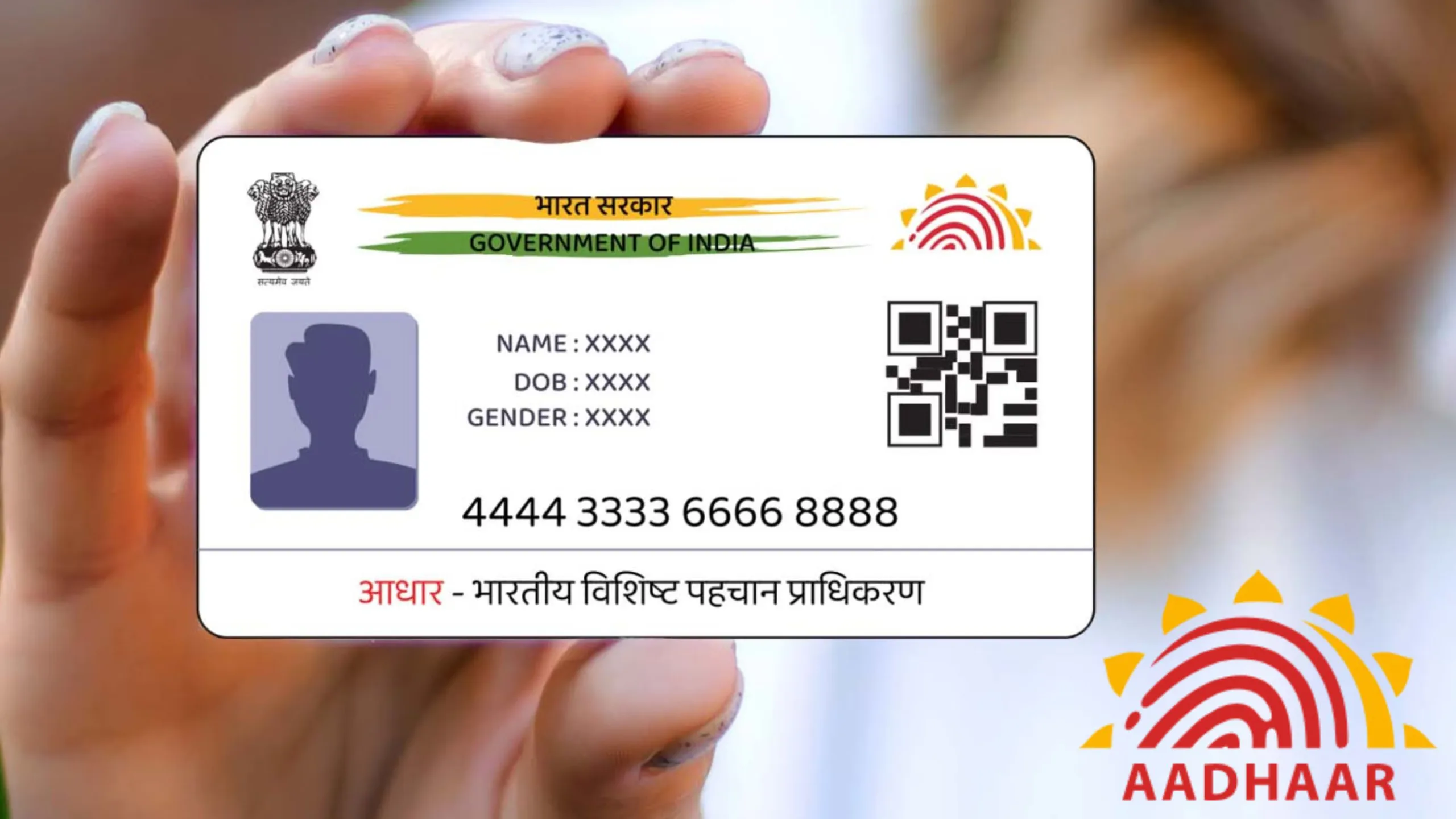
In a decisive move to strengthen the integrity of India’s national digital identity system, the Unique Identification Authority of India (UIDAI) has rolled out a multi-pronged strategy to deactivate Aadhaar numbers of deceased individuals, the Ministry of Electronics and Information Technology (MeitY) announced on Wednesday. The initiative is expected to curb identity fraud and unauthorised use of Aadhaar credentials, a growing concern in welfare delivery and financial transactions.
Aadhaar, a 12-digit unique identification number, serves as the backbone of India’s identity-linked governance and service delivery model, covering nearly every resident and even Non-Resident Indians (NRIs). The number is never reassigned once issued, making it permanent to each individual.
However, this permanence also creates a challenge, if an Aadhaar number is not deactivated after the holder’s death, it leaves scope for potential fraudulent usage in banking, subsidies, or property transactions.
Recognising this loophole, UIDAI has partnered with multiple stakeholders, state governments, the Registrar General of India (RGI), banks, and Aadhaar ecosystem partners, to ensure systematic detection and deactivation of Aadhaar numbers belonging to deceased individuals.
1.55 crore death records shared; 1.17 crore Aadhaar numbers already deactivated
As part of this ongoing exercise, UIDAI sought support from the Registrar General of India to share Aadhaar-linked death records from the Civil Registration System (CRS). So far, 1.55 crore death records from 24 States and Union Territories have been handed over. After validation and due diligence, 1.17 crore Aadhaar numbers linked to deceased individuals have been successfully deactivated.
For States and UTs where CRS integration is yet to take place, UIDAI has received an additional 6.7 lakh death records through alternative channels. The deactivation of Aadhaar linked to these records is currently in progress, officials confirmed.
Citizen-friendly service via myAadhaar portal
To empower citizens and make reporting easier, UIDAI introduced a new feature on June 9, 2025, a dedicated service called “Reporting of Death of a Family Member” on the myAadhaar portal.
Currently available across 24 CRS-enabled States and UTs, the service allows family members to report the death of their loved one digitally. They need to submit the deceased’s Aadhaar number, the Death Registration Number, and other demographic details, after which the request undergoes a rigorous validation process. Only after successful verification does UIDAI deactivate the Aadhaar number, ensuring that genuine cases are addressed while preventing misuse of the facility.
UIDAI has assured that work is underway to extend the online reporting service to States and UTs that are not yet fully integrated with the CRS.
Plans to source death data from banks and other partners
Going beyond government records, UIDAI is also exploring possibilities of obtaining death-related information from banks and Aadhaar ecosystem partners. Since banks often update records of deceased customers during account settlement, the Authority believes this data can add an additional layer of verification and speed up the deactivation process.
Special verification drive for centenarians
In an unusual but significant move, UIDAI has launched a pilot program with state governments to verify the status of Aadhaar holders aged over 100 years. Authorities are cross-checking demographic details of such centenarians with local records to confirm if they are alive.
If state governments confirm that the individual has passed away, UIDAI proceeds with appropriate validations and subsequently deactivates the Aadhaar number. This step is seen as crucial since outdated records in extreme age categories often become vulnerable to identity theft or fraudulent use.
Citizen responsibility in maintaining Aadhaar integrity
While institutional mechanisms are being strengthened, UIDAI has stressed the responsibility of citizens in preventing Aadhaar misuse. Families of deceased individuals are urged to report deaths promptly through the myAadhaar portal, but only after securing a valid death certificate from authorised registrars.
“This small step goes a long way in ensuring that the deceased person’s Aadhaar is not misused for fraudulent purposes, and it helps maintain the sanctity of the Aadhaar database,” UIDAI officials said in a statement.
Why deactivation matters?
Aadhaar is directly linked to welfare schemes, banking systems, property ownership records, and mobile connections. Instances have been reported in the past where Aadhaar numbers of deceased persons were exploited to continue receiving pensions, subsidies, or to conduct financial frauds.
By ensuring timely deactivation, UIDAI seeks to protect both citizens and the government exchequer. Experts note that this step is also vital for strengthening trust in Aadhaar as a secure digital identity framework, especially as it expands to cover services for NRIs and other global applications.
UIDAI’s strategy is being seen as one of its most significant reforms since the rollout of Aadhaar over a decade ago. By combining government death registries, bank data, citizen participation, and age-verification drives, the Authority is building a robust safety net against identity fraud.
The immediate priority remains scaling the online death reporting service to all States and UTs, completing the pending validation of records, and formalising agreements with banks for information sharing.
With 1.17 crore Aadhaar numbers already deactivated and several lakh more under process, the Authority has signalled that it intends to leave no gap in safeguarding India’s most critical identity database.












Comments