





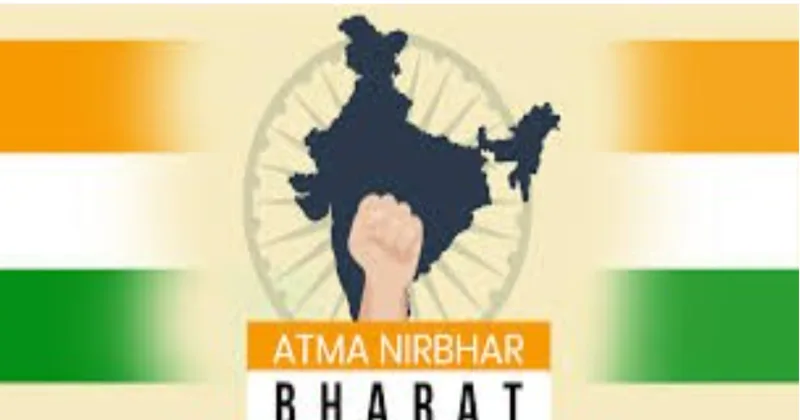
As the preparations for launching the Atmanirbhar Bharat Sankalp Abhiyan are underway, the Bharatiya Janata Party (BJP) is gearing up for a massive national movement beginning on September 25, the birth anniversary of Pandit Deendayal Upadhyay and culminating on December 25, birth anniversary of Bharat Ratna Shri Atal Bihari Vajpayee ji. This three-month long campaign, guided by Prime Minister Narendra Modi’s vision and strategy, will be a master plan to revive the spirit of Swadeshi, energize the Make in India mission, and accelerate India’s march toward self-reliance.
PM Modi’s swadeshi revival
Just as the Swadeshi Movement once ignited India’s freedom struggle, PM Modi now seeks to reawaken that same spirit for economic independence. His strategy is clear – India’s 1.4 billion consumers must become the biggest strength of the Indian economy by choosing and promoting local goods, Indian innovations, and indigenous enterprises.
Strengthening Make in India
PM Modi’s Make in India vision will receive a renewed thrust through this Abhiyan. Industries, MSMEs, startups, artisans, and farmers will be encouraged to scale up production and innovation. The Prime Minister’s focus on upgrading technology, building resilient supply chains, and supporting local talent will make India a global manufacturing hub while ensuring that domestic needs are met by Indian hands.
Economic sovereignty and the rupee
One of Modi’s core strategies has always been to reduce India’s over-reliance on imports and the Dollar. Through this Abhiyan, domestic production and exports will be promoted to strengthen the Rupee, save foreign exchange, and safeguard economic sovereignty. The message to the world will be clear: India will no longer be vulnerable to foreign pressure but will engage globally with confidence.
Balanced approach: Not a total boycott
It is important to note that Atmanirbhar Bharat Sankalp Abhiyan will not mean a total boycott of foreign goods. India’s growing role in global trade and diplomacy requires a balanced approach. PM Modi’s vision is about reducing unhealthy dependencies and promoting Indian alternatives wherever possible – not closing doors to international cooperation. By striking this balance, India will strengthen its domestic economy while maintaining its global partnerships and foreign policy objectives.
Breaking Western corporate domination
PM Modi has often highlighted how India must protect itself from unfair corporate practices of multinational giants. For years, Western conglomerates have flooded Indian markets with unhealthy products, creating dependency on their medicines and drugs. The Atmanirbhar Bharat Sankalp Abhiyan will counter this by promoting Swadeshi food, wellness, and lifestyle products – healthier, safer, and rooted in Indian tradition.
Employment and empowerment
With India’s youth forming the backbone of its future, PM Modi’s strategy emphasizes job creation through self-reliance. The Abhiyan will empower rural and urban enterprises alike, strengthen agriculture-based industries, and boost indigenous crafts, ensuring prosperity reaches every household across Bharat.
BJP Karyakartas on mission mode
On the ground, BJP karyakartas will drive this Abhiyan like a mission, reaching out to people, promoting local goods, artisans, and technical talent. Awareness programs will be held to encourage citizens to embrace Swadeshi alternatives. With festivals like Dussehra and Diwali falling within this campaign, special drives will be organized to urge people to purchase desi products instead of foreign goods – ensuring that Indian festivals celebrate Indian craftsmanship.
A political and cultural commitment
The timing of this Abhiyan is deeply symbolic. Beginning on Deendayal Upadhyay ji’s Jayanti, it will reaffirm BJP’s commitment to Antyodaya – upliftment of the last person. Concluding on Atal Bihari Vajpayee ji’s birthday, it will honour his vision of a strong, modern India. Thus, under PM Modi’s leadership, the Abhiyan will not only be an economic mission but also a political and cultural movement uniting India under self-respect and self-reliance.













Comments