





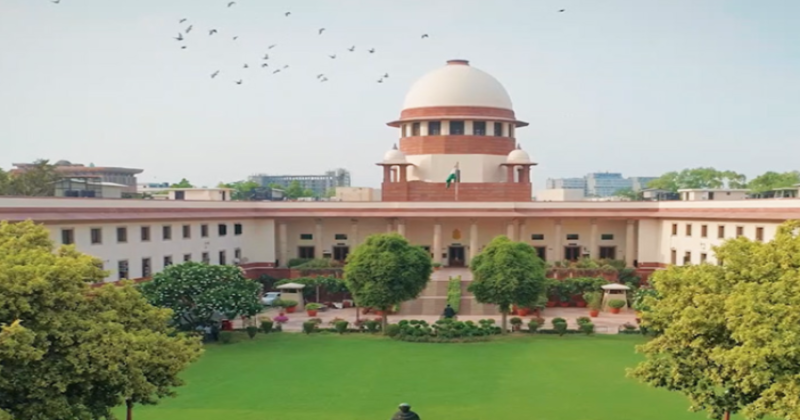
In a significant intervention to curb judicial delays, the Supreme Court on September 12 ordered all High Courts across India to dispose of bail applications within two months of filing, unless the delay is attributable to the accused or the prosecution. The bench, comprising Justices JB Pardiwala and R Mahadevan, observed that bail matters directly affect personal liberty and therefore demand urgency in adjudication.
“Such petitions should be disposed of within a period of two months from the date of filing, unless the delay is caused by the accused or prosecution,” the bench noted, making it clear that prolonged pendency of bail matters cannot be justified.
The direction came while the apex court was hearing appeals against a Bombay High Court order that had dismissed anticipatory bail applications of individuals accused of forging property documents to usurp ownership. While upholding the High Court’s rejection of their pleas on merits, the Supreme Court took the opportunity to address the broader issue of systemic delays in bail hearings.
The bench stressed that inordinate delays in bail matters not only cause unnecessary incarceration but also amount to a violation of the fundamental right to liberty guaranteed under Article 21 of the Constitution. With over 75 percent of India’s prison population comprising undertrials, according to National Crime Records Bureau (NCRB) data, the court’s ruling is expected to have far-reaching implications.
The order is getting hailed as a much-needed benchmark for ensuring timeliness in bail adjudication. Many believe that by enforcing a two-month ceiling, the judiciary will help prevent thousands of undertrials from languishing in prisons simply due to procedural backlogs.
The ruling is being viewed as a critical step towards decongesting overcrowded jails and strengthening the constitutional principle of speedy justice. If High Courts across the country adhere to the timeline, it could significantly reduce the number of undertrials awaiting hearings, thereby improving both prison conditions and public faith in the justice delivery system.
















Comments