





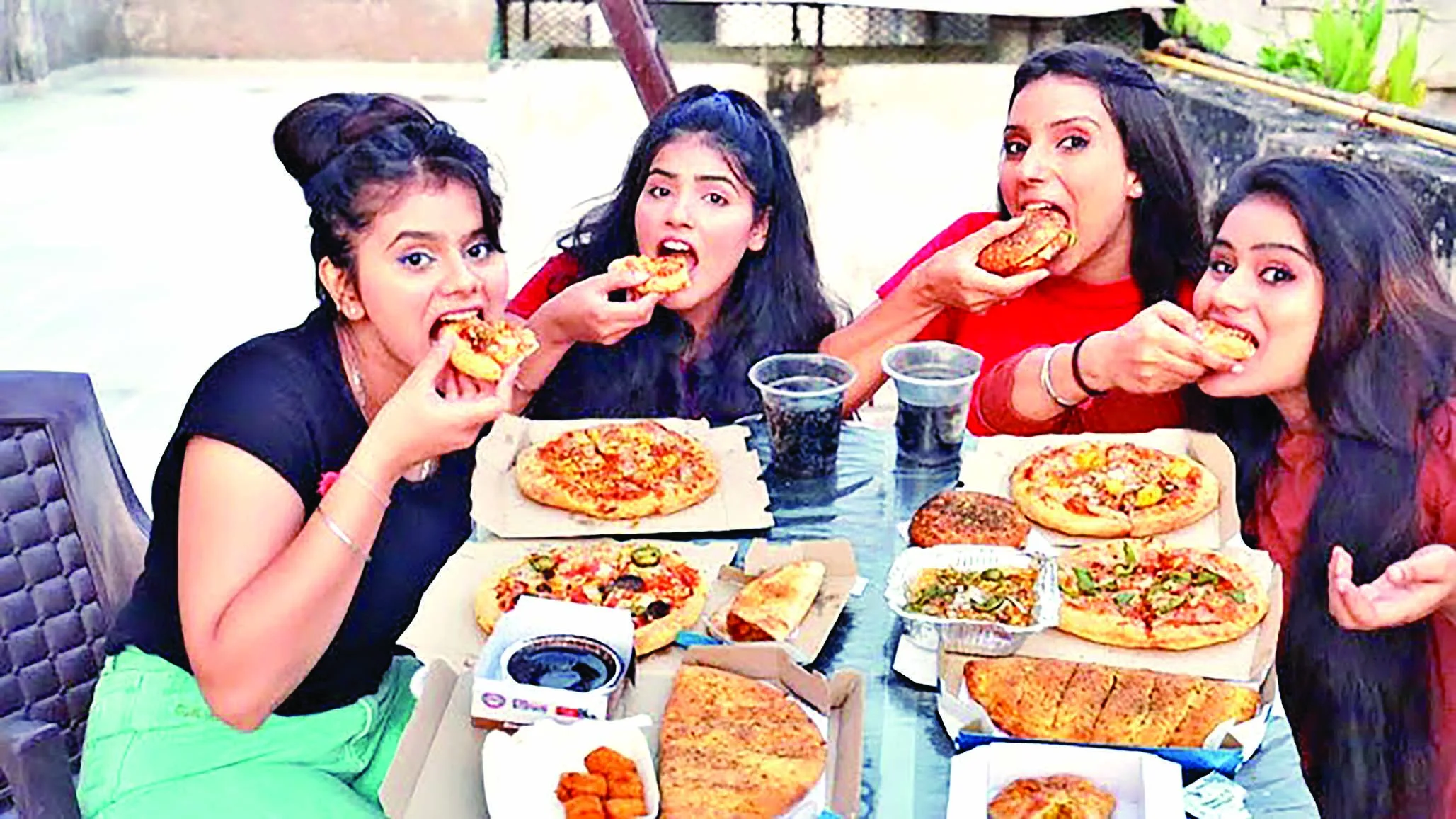
Obesity has become a big health issue in India. Crores of youth today are either overweight or at risk of becoming obese. Doctors, nutritionists and even international reports are warning that India is moving towards an obesity crisis, especially in cities. Today, countless youngsters are chasing fad diets – some relying only on protein-heavy plans, others abandoning wholesome Indian food in the hope of looking slimmer. But is that really the right way? Are we addressing the problem correctly? Have we even recognised the issue properly? Sadly, the answer seems to be no. And this misunderstanding has resulted in increasing obesity among Indians.
Worrisome Statistics
According to the World Health Organisation (WHO), more than 135 million people in India are affected by obesity, and a large part of this number is our youth.
The big question is why is this happening in a country like ours, where we have such a rich variety of healthy local food like roti, dal, rajma-chawal, chole, paneer, and millets? Why is the younger generation more attracted towards pizza, burgers, pasta, maggi, and fried Western fast food? The answer lies in lifestyle changes, busy work culture, stress, and wrong food habits.
Stressful Work Culture
Youth today is working round the clock. Many leave their hometowns and live in metro cities for work, often away from their families. Work pressure is so high that by the end of the day, they feel exhausted. Stress itself is a reason for weight gain, as it increases the release of hormones that make the body store more fat. Due to this stress and fatigue, cooking at home feels like a burden. Most young people order food online, which is a quick and convenient option. However, this food is often prepared with low-quality oil, excessive ghee, preservatives, and harmful additives. Eating such unhealthy meals daily leads to weight gain. Less physical activity and long sitting jobs are also major contributors to rising obesity among today’s youth.
Street Food: Fashion Statement
The problem faced by most youngsters is that they eat three meals a day from outside. From breakfast to dinner, everything comes from restaurants, online delivery apps, or office canteens. On weekdays, they eat outside food because of work. On weekends or holidays, instead of returning to home-cooked meals, they prefer to go out with friends. Even then, Western food remains the first choice – burgers, pizzas, pasta and fried chicken. The cycle of outside eating never ends.
Growing culture of ‘Ready-to-eat’ Food
One major change in the modern lifestyle is the rise of “2-minute food.” Ready-to-cook meals, frozen parathas, instant noodles, and packed rajma or chole have become common. These packets are designed for long shelf life – sometimes months. To make them last longer, companies add preservatives, chemicals, and extra salt. Youngsters find them easy, add hot water, heat for two minutes, and the food is ready. But this is not real food. It is neither fresh, nutritious, nor balanced. It gives only calories, not strength. Sadly, most of these ready foods are based on Western eating habits such as pizza bases, instant pasta, and noodles rather than traditional roti, dal, or millet-based meals.
Bad Sleeping Habits
Obesity is not only about food; lifestyle plays a huge role. Many young people work night shifts or spend long hours on phone and laptop screens. They sleep late at night and wake up in the afternoon. Their meal times get disturbed, breakfast is skipped, lunch is delayed, and dinner is eaten at midnight. Skipping meals and eating at odd hours confuses the body’s metabolism. The body starts storing fat instead of burning it. Late-night snacking, midnight junk food cravings, and irregular sleep patterns make the problem worse. COVID-19 pandemic further worsened the problem, as lockdowns restricted movement and increased screen time. Many people developed habits of overeating, irregular sleep, and reduced exercise during this period, all of which added to weight gain.
A Silent killer
Another hidden reason for rising obesity is the growing trend of high-calorie drinks and alcohol consumption among youth. Fancy shakes, frappes, and beverages from global cafe chains like Costa Coffee or Tim Hortons have become a lifestyle statement. Often seen as “Instagram-worthy,” these drinks are consumed more for showing off than for real hunger. A single glass carries 400–600 calories, equivalent to a full meal, without providing the body with any real nutrition. Similarly, alcohol has become a symbol of corporate and office culture, where parties, meetings, and celebrations are often incomplete without it. Regular intake of beer, whiskey, or cocktails adds thousands of empty calories each month, directly contributing to weight gain and obesity. The problem is that many youngsters don’t even count these drinks as “food,” though their impact on health is just as harmful as junk food.
Western Food over Local Food
Western fast-food companies spend crores on advertisements, branding and marketing. They show burgers and pizzas as symbols of modern lifestyle, enjoyment, and status, and youngsters feel that eating Western food is “cool.”
Easy and Fast: Cooking dal, roti, sabzi takes time. Ordering a burger or noodles takes 10 minutes and is now a status symbol. With their busy schedules, youth naturally choose the easier option.
Peer Pressure: When friends go out, they don’t prefer Indian cuisine, they choose cafes and fast-food chains. To fit in, everyone eats the same.
Taste Addiction: Western fast food is deliberately designed with high salt, sugar, and fat, a deadly combination that makes the brain crave more. Over time, this leads to taste addiction, where youth keep going back to these foods despite knowing they are unhealthy.
Time to do Some Moves
According to the National Family Health Survey (NFHS-5, 2019–21), obesity in India is rising across different age groups. Overall, 24 per cent of women and 23 per cent of men are overweight or obese. In the age group of 15–49 years, 6.4 per cent of women and 4 per cent of men fall into the obese category. Even among children, the trend is worrying. The percentage of children under five years who are overweight (weight-for-height) has increased from 2.1 per cent in NFHS-4 (2015–16) to 3.4 per cent in NFHS-5 (2019–21) at the all-India level.
Consequences of Obesity
Obesity is not just about looking overweight; it is a reason for several serious diseases at a young age. Diabetes, high blood pressure, liver disease, heart problems, joint pain, and constant fatigue are some of the common health issues linked with it. Obesity also brings emotional challenges like depression, anxiety, and low self-confidence, which affect the overall quality of life. Earlier, Indians were known for their long-life span, supported by simple and desi diets, active lifestyles, and natural food habits. But with the rise of obesity and lifestyle-related diseases, life expectancy is being negatively affected. In short, obesity is reducing both the health and productivity of our youth, and if left unaddressed, it will weaken our society as a whole.
Tackling the Problem
Obesity is not permanent; it can be prevented and even reversed with conscious effort. Making small but consistent changes in daily life can bring big results. One of the most important steps is to return to traditional Indian cuisine. Instead of relying on burgers and pizzas, youngsters should opt for roti, dal, rice, sabzi, and other homemade meals, which are naturally balanced and easier to digest.
Including millets (mota anaj), such as bajra, jowar, and ragi, is another effective way to improve health. These grains are rich in fibre, keep the stomach full for longer, and have been recognised globally, with the United Nations declaring 2023 as the International Year of Millets. Along with food, physical activity plays a key role. At least 30 minutes of walking, yoga, cycling, or gym activity daily is essential. Equally important is maintaining a healthy routine. Sleeping on time and waking up early can improve digestion and metabolism, while avoiding late-night screen time can reduce the risk of irregular eating habits. Skipping meals should also be avoided; eating a light breakfast and having small, timely meals keeps the body’s energy levels stable. Cooking at home, even something as simple as khichdi, dalia, or upma, is far better than relying on fast food. By combining mindful eating, exercise, and discipline, young people can effectively fight obesity.
















Comments