





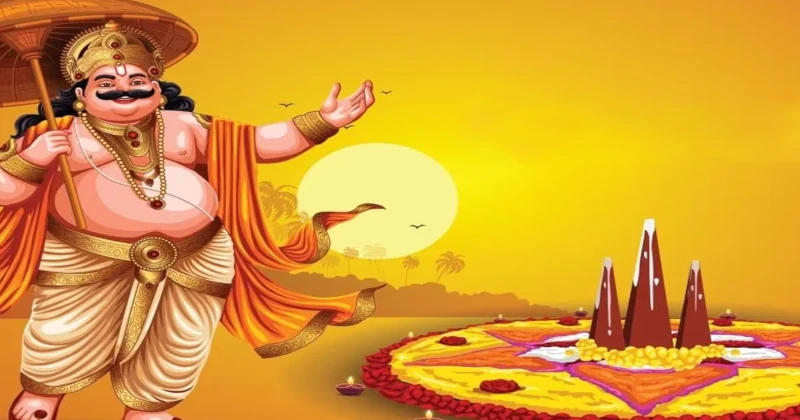
As the verdant state of Kerala gears up for Onam, a festival celebrated with unmatched fervor across the state and among the global Malayali community, the air is filled with excitement, devotion, and cultural vibrancy. Spanning 12 days from August 26 (Atham) to September 7 (Chathayam), Onam 2025 promises a spectacular confluence of belief, harvest celebrations, and Hindu cultural pride. The pinnacle of festivities, Thiruvonam, falls on September 5, when homes, streets, and temples come alive with grandeur and joy.
The legend that defines Onam
At the heart of Onam lies the story of King Mahabali, also known as Maveli a ruler whose reign is immortalized in Kerala’s collective memory as the golden era of justice, prosperity, and equality. Mahabali, an asura by birth, was revered for his generosity, humility, and dedication to his people. His unparalleled governance brought immense prosperity to Kerala, making his kingdom a model of egalitarianism.
However, the devas (gods) grew envious of the king’s influence and prosperity. In response, Bhagwan Vishnu incarnated as Vamana, the dwarf Brahmin, and approached Mahabali with a simple request: three feet of land. Displaying supreme generosity, Mahabali agreed. But in a divine twist, Vamana expanded to cosmic proportions, covering the entire universe in two steps. With no place left for the third, the king offered his own head. Pleased by his magnanimity, Vishnu blessed Mahabali and granted him the boon to visit his beloved subjects once every year an occasion now celebrated as Onam.
This story is not merely folklore it embodies Hindu values of dharma, selflessness, and devotion, reminding devotees of the importance of righteousness, generosity, and moral governance.
Beyond its beliefs, Onam marks the harvest season in Kerala, a period of abundance and joy. Farmers celebrate the fruits of their labor, and the state comes alive with feasts, rituals, and cultural performances. This dual significance as a spiritual festival honoring Mahabali and a harvest festival celebrating nature’s bounty—makes Onam uniquely rich in meaning and tradition.
A kaleidoscope of culture
Onam is celebrated with a blend of rituals, cultural displays, and communal festivities that highlight Kerala’s Hindu heritage:
- Pookkalam (Floral Carpets): Exquisite floral designs adorn homes, symbolizing prosperity and welcoming King Mahabali.
- Onam Sadhya (Grand Feast): Over 26 vegetarian dishes served on banana leaves celebrate Kerala’s culinary richness and promote family and community bonding.
- Vallam Kali (Boat Races): Thrilling snake boat races draw communities together, showcasing courage, teamwork, and cultural pride.
- Pulikali (Tiger Dance): Men painted as tigers perform dynamic dances, a spectacle of folklore and festive exuberance.
- Cultural Performances: Traditional dances like Thiruvathira, Kummattikali, and Kathakali revive Kerala’s artistic and spiritual heritage.
- Onakkodi and Gift Exchange: Wearing new clothes and exchanging gifts symbolizes renewal, family ties, and devotion to cultural continuity.
Onam is more than a harvest festival it is a celebration of Hindu dharma, moral governance, and cultural identity. King Mahabali’s story embodies virtue, generosity, and righteousness, values central to the Hindutva ethos. The festival also reinforces unity and fraternity, bringing together people of all communities in Kerala, transcending religious boundaries, while preserving the spiritual and cultural legacy of Hindu civilization.
From Kerala’s backwaters to Malayali homes across the globe, Onam’s celebration is a vivid testimony to the resilience and continuity of Hindu culture and traditions. The festival, with its rituals, feasts, and vibrant performances, not only commemorates the homecoming of Mahabali but also celebrates Kerala’s agricultural heritage, communal harmony, and spiritual richness.















Comments