





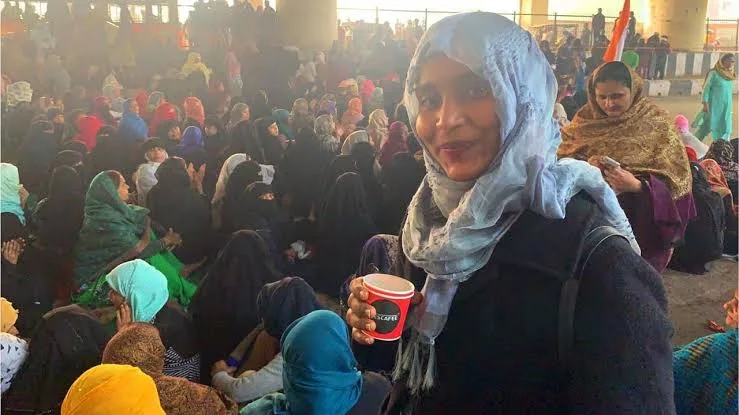
The Delhi High Court on September 2, dismissed the bail plea of Gulfisha Fatima, one of the accused in the larger conspiracy behind the 2020 anti-Hindu Delhi Riots, observing that her role in instigating women protesters and facilitating violent sit-ins was distinct from other accused who have been granted bail.
The division bench of Justice Naveen Chawla and Justice Shalinder Kaur held that the “ground of parity is not in favour of the appellant” as the prosecution presented evidence suggesting she played an active role in coordinating and executing the conspiracy.
Alongside Gulfisha, the bail pleas of Umar Khalid and Sharjeel Imam were also rejected.
According to the prosecution, Gulfisha Fatima created two WhatsApp groups, “Warriors” and “Aurton Ka Inquilab” in December 2019, which were used to coordinate protests and mobilise Muslim women. She allegedly instructed women to bring children along so that police action would draw sympathy, while ensuring participation at protest sites like Seelampur, Jafrabad, and Madina Masjid.
Fatima was also accused of welcoming women protesters from Jahangirpuri and instigating them to take aggressive stances against police forces.
The prosecution argued that Gulfisha was part of multiple conspiratorial meetings, including those attended by Umar Khalid, Devangana Kalita, Natasha Narwal, and members of Pinjra Tod. In these meetings, directions were allegedly given to stockpile chilli powder, acid, bottles, and sticks to escalate protests into violent riots.
She was also accused of using coded language like “Kal Eid Hai” or “Aaj Chand Raat Hai” to signal road blockades and chakka-jams during then US President Donald Trump’s India visit in February 2020.
Further, the prosecution alleged that she received funds from AAP councillor Tahir Hussain to finance violent protests.
Gulfisha’s defence counsel denied her involvement in Pinjra Tod or DPSG (Delhi Protest Support Group) and dismissed witness testimonies as hearsay. They argued that the WhatsApp group chats pertained only to peaceful protests and no incriminating evidence linked her directly to the violence.
The defence also highlighted the prolonged incarceration of the accused, arguing that the trial was moving slowly.
Rejecting these arguments, the High Court noted that evidence on record, including witness testimonies, pointed to Gulfisha’s active participation in instigating women to attack police personnel using chilli powder, stones, and sticks at Jafrabad Metro Station.
“The WhatsApp groups that the Appellant allegedly created… cannot be seen in isolation. They played a role in ensuring women’s participation and coordination in protests which escalated into violence,” the bench observed.
On the plea of parity, the court clarified: “Merely because co-accused persons have been granted bail would not, by itself, entitle the other accused to bail; other considerations and factors weigh in.”
The court further noted that the trial was progressing at a “natural pace” and there was no ground to release her on bail.
The 2020 riots in Northeast Delhi, which occurred between February 23 and 26, claimed 53 lives and left over 200 injured. Sparked under the garb of protests against the Citizenship Amendment Act (CAA), the riots turned into targeted attacks against Hindus.
Investigations revealed that radical groups, including Pinjra Tod, Jamia Coordination Committee, and the banned Popular Front of India (PFI), were deeply involved in planning the violence. The riots coincided with the visit of then US President Donald Trump, with prosecutors alleging that conspirators aimed to embarrass India internationally.
Horrific incidents were recorded during the riots, including the brutal killing of Delhi Police Head Constable Ratan Lal and IB officer Ankit Sharma. Hindu labourer Dilbar Negi was hacked and burnt alive by Islamist mobs.
The conspiracy was allegedly hatched months earlier, with secret meetings in Delhi involving student leaders, activists, and Left-Islamist groups.
By dismissing Gulfisha Fatima’s bail plea, the Delhi High Court has reinforced the seriousness of the allegations against her in the 2020 anti-Hindu Delhi Riots conspiracy case. The ruling underlines that her role, including mobilising women, creating WhatsApp groups, and coordinating protest sites, was not comparable to others already out on bail.
The case continues to be one of the most closely watched trials in recent Indian judicial history, as the scars of the riots remain fresh for the victims and their families.















Comments