





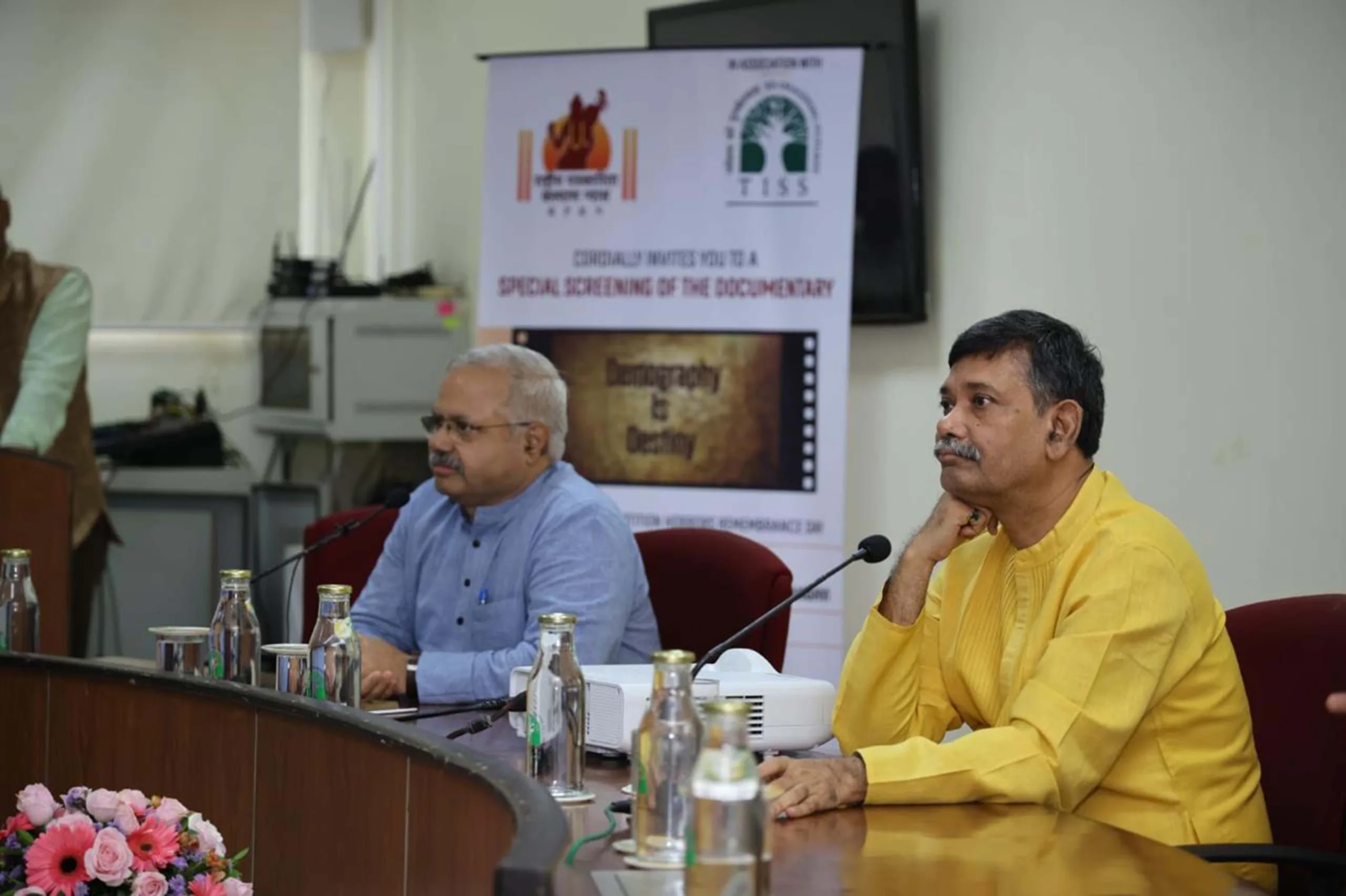
“We must move forward by studying history, and it is extremely important to understand where our faith lies. Bharat’s changing demography is a matter of concern and requires in-depth analysis,” expressed Sunil Ambekar, Akhil Bharatiya Prachar Pramukh of Rashtriya Swayamsevak Sangh (RSS).
On August 14, a special screening of the documentary titled Demography is Destiny was screened at the Tata Institute of Social Sciences (TISS) in the presence of Sunil Ambekar to commemorate the Partition Horrors Remembrance Day.
This thought-provoking documentary, directed by two-time National Award-winning filmmaker Kamakhya Narayan Singh and produced by Shri Ravindra Sanghvi, compels Bharatiya society to reflect deeply. The film presents a thorough analysis of Bharat’s population trends, the religious composition of the population, and the socio-political outcomes arising from these shifts.
High-Powered Demography Mission
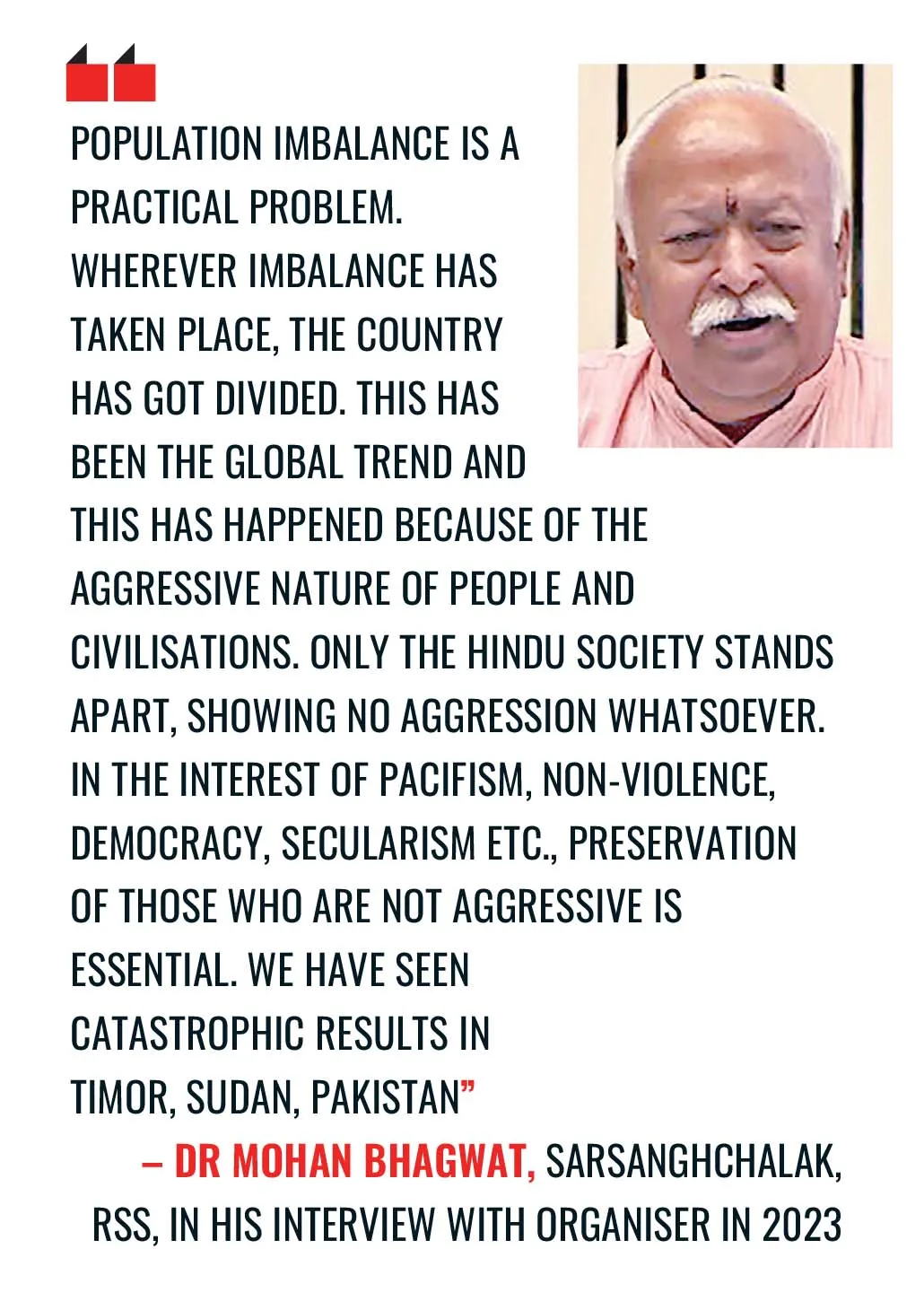
In his Independence Day speech, Prime Minister Narendra Modi highlighted the dangers of demographic imbalance due to infiltration and illegal migration in border areas. He announced the launch of a High-Powered Demography Mission to address this national security challenge, ensuring the unity, integrity, and rights of India’s citizens are safeguarded.
Speaking about the documentary, Sunil Ji said that the invasions after 1200 CE caused severe harm. Foreign invaders dealt serious blows to the ancient Bharatiya sanskriti, and gradually, Bharat’s demography began to change — a phenomenon observed globally. For instance, Lebanon was once predominantly Christian, but is now Muslim-majority. Similarly, in ancient Persia (modern-day Iran), the Parsi population has almost vanished.
Speaking at this event jointly organised by Rashtriya Patrakarita Kalyan Nyas and TISS, the Vice-Chancellor of TISS, Prof Badri Narayan Tiwari, commented on the transformations occurring in society. He emphasised the need for comprehensive studies on changing demographics. He stated that demographic changes pose many challenges. Developmental planning often overlooks cultural perspectives. Envisioning a brighter future for Bharat should be TISS’s mission.
Key Highlights of Demography is Destiny Documentary:
- In Bharat’s first organised census in 1881, the majority community constituted about 82 per cent of the population
- By 1941, just before the Partition and the formation of Pakistan, this proportion had declined to 70 per cent
- After the Partition, in the 1951 census, it rose to 84 per cent, but by 2011 it had again declined to around 79 per cent
- Estimates suggest that in the next 120–130 years, the majority population may further reduce to about 67 per cent
The documentary sheds light on significant demographic changes in regions such as the Kashmir Valley, Ladakh, Jammu, Punjab, Haryana, Western Uttar Pradesh, Bihar, Jharkhand, Bengal, and Assam. In these areas, the Muslim population has reportedly increased from 14 per cent to 42 per cent, attributed largely to illegal infiltration from Bangladesh. Similar trends have been observed in districts like Meerut, Moradabad, Saharanpur, and other parts of Western Uttar Pradesh.
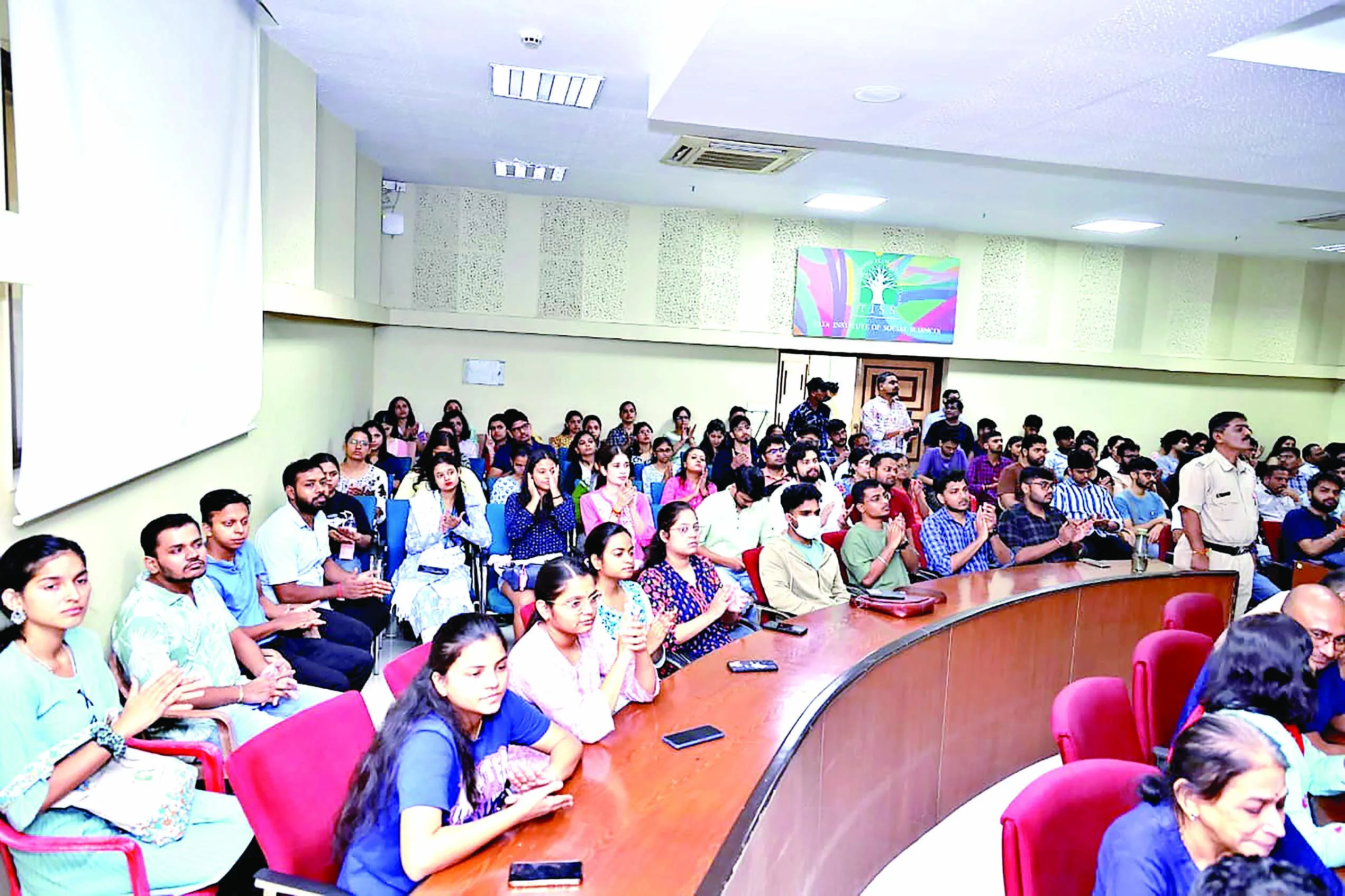
The documentary focuses on sensitive socio-political issues such as infiltration, migration, religious conversions, and the declining Total Fertility Rate (TFR) among Hindus. It also analyses global Muslim population growth, the influence of Islamic culture, delayed marriages, smaller family sizes, and declining birth rates both in the West and in Bharat.
The programme began with the anthem of TISS and concluded with the national anthem.















Comments