





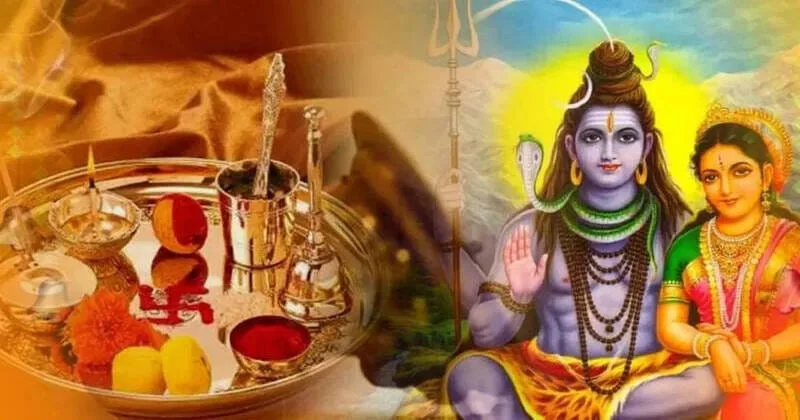
Festivals in India have never been confined to rituals alone. They embody values, strengthen social bonds, and promote health, environment, and community life. Among them, Haritalika Teej stands out as a celebration of devotion, discipline, and harmony. Observed on Bhadrapada Shukla Tritiya, it is celebrated with great fervour across North India, Madhya Pradesh, Rajasthan, Bihar, Jharkhand, and Nepal.
Myth and Meaning
The origins of Haritalika Teej lie in the story of Maa Parvati and Bhagwan Shiva. Ancient texts, including the Skanda Purana, recount how Parvati resisted an unwanted marriage arranged by her father by retreating into the forest with her friend to perform severe penance. Her devotion was rewarded when she was united with Shiva. The very name Haritalika reflects this-hari meaning abduction and talika meaning a companion. At its core, the festival is a reminder of women’s strength, determination, and unwavering faith.
Beyond Marital Bliss
Though popularly seen as a symbol of marital happiness, the festival carries a deeper message. Women observe a rigorous fast without food or water, dress in traditional attire, and worship Shiva and Parvati. The collective rituals, songs, and prayers become an affirmation of womanhood, sacrifice, and self-respect- making Teej as much about women’s empowerment as it is about family harmony.
Health and Science
The festival also has health benefits that science today acknowledges. Fasting allows the body to detox, rest the digestive system, and boost immunity, timely in the last phase of monsoon when seasonal illnesses are common. Devotional singing and prayer trigger the release of serotonin and dopamine, the “happy hormones” that bring calm and joy. Shared celebrations, meanwhile, deepen social ties and reduce stress.
An Eco-Friendly Tradition
In an age of climate concerns, Haritalika Teej also offers lessons in sustainability. Murtis of Shiva and Parvati are made from clay, worship involves local flowers, fruits, and leaves, and sacred trees such as Peepal, Bel, and Tulsi are revered. These practices reduce chemical and plastic waste while supporting local artisans and farmers. Even the word harit, meaning green, embedded in the festival’s name, underscores its alignment with nature, sustainable living, and the spirit of “vocal for local.”
A Celebration of Community
Beyond the rituals, the festival is marked by swings, folk songs, dances, and storytelling. Women gather in groups, adorned in festive attire, strengthening not just family ties but also neighbourhood bonds. The sense of togetherness reinforces social harmony and cultural continuity.
The Deeper Message
Haritalika Teej is more than a festival of marital devotion. It is a rare confluence of discipline, health, environmental consciousness, and cultural expression. Its message goes beyond households, pointing towards social and ecological balance in a fast-changing world. If its values are embraced in everyday life, Teej can contribute not only to personal and family well-being but also to social and global harmony.
















Comments