





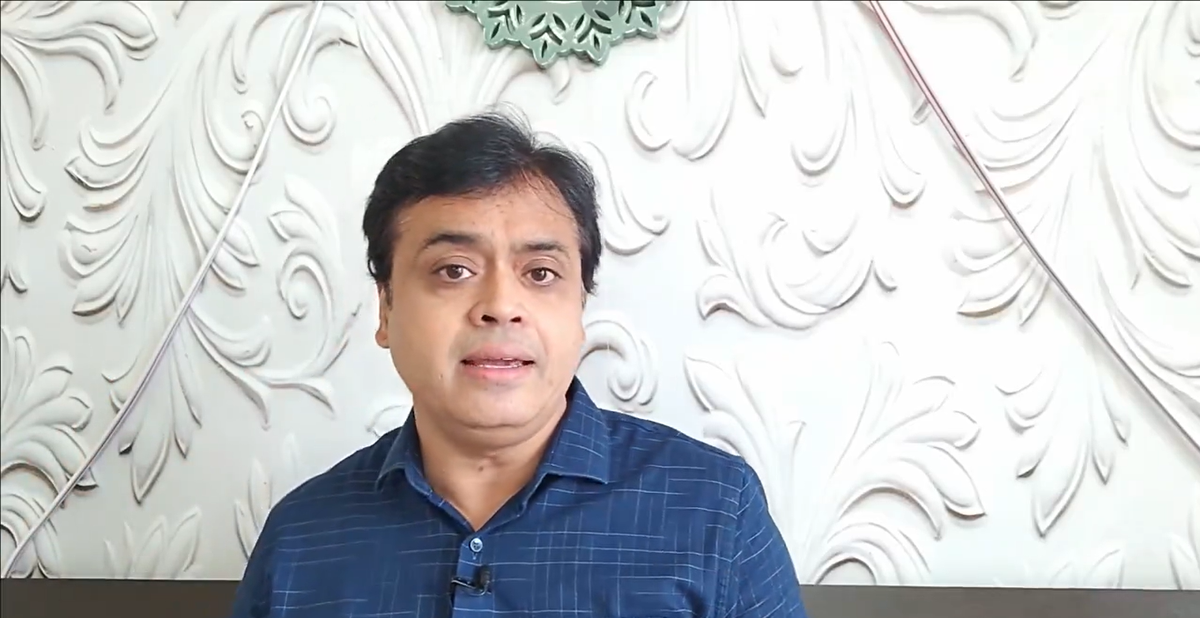
On August 21, the Guwahati Crime Branch registered a First Information Report (FIR) against YouTuber Abhisar Sharma on charges of attempting to provoke communal disorder and undermine the unity and integrity of India. The complaint was lodged by a local resident, Alok Baruah, who accused Sharma of making inflammatory remarks targeting Assam Chief Minister Himanta Biswa Sarma and the Union Government.
The FIR has been registered under Sections 152 (sedition), 196, and 197 of the Bharatiya Nyaya Sanhita, 2023 (BNS).
Complainant Alok Baruah stated that Sharma’s video on YouTube contained remarks suggesting that the Assam government “survives by Hindu-Muslim polarisation.” According to Baruah, such statements are not mere criticism but deliberate attempts to provoke communal sentiments, create distrust against elected governments, and incite public disorder.
Baruah further claimed:
Sharma’s statements had a “mala fide intent to disrepute elected governments.”
The remarks were capable of “inflaming passions and promoting enmity between religious groups.”
By mocking the principle of “Ram Rajya” and accusing CM Himanta Biswa Sarma of communal politics, Sharma allegedly attempted to generate “distrust and hatred against lawfully established authorities.”
“Endangering Unity and Integrity of India”
The complaint emphasised that Sharma’s article and video portrayal of the state government as “corrupt, communal, and illegitimate” directly threatened the sovereignty and unity of India. It read:
“The article published/circulated by the accused Abhisar Sharma is not mere criticism but amounts to an attempt to excite disaffection, provoke public disorder, and endanger the unity and integrity of India.”
Accordingly, the Guwahati Crime Branch registered the FIR, stating that the remarks amounted to offences punishable under the BNS.
Sharma, a journalist-turned-YouTuber, has previously been accused of making politically charged remarks against the government. This latest case intensifies the debate over the limits of free speech and where the line between criticism and incitement should be drawn.














Comments