





For millennia, Bharatvarsha stood as a beacon of civilisation, philosophy, trade, and power. Unlike the artificial constructs of Europe or West Asia, Bharat’s empires were not merely political states but civilisational guardians defenders of dharma, knowledge, and sovereignty. Each great empire was forged in fire: defeating foreign invasions, welding together diverse peoples, and asserting Bharat’s supremacy on land and sea.
From the iron grip of the Mauryas to the maritime thunder of the Cholas and the indomitable resistance of the Marathas, these ten empires epitomise the unbroken thread of Bharat’s strength. Their rise was not just political but civilisational, ensuring that despite waves of foreign aggression, the soul of Bharat remained unconquered.
1. Mauryan Empire – The Subcontinent’s first superpower
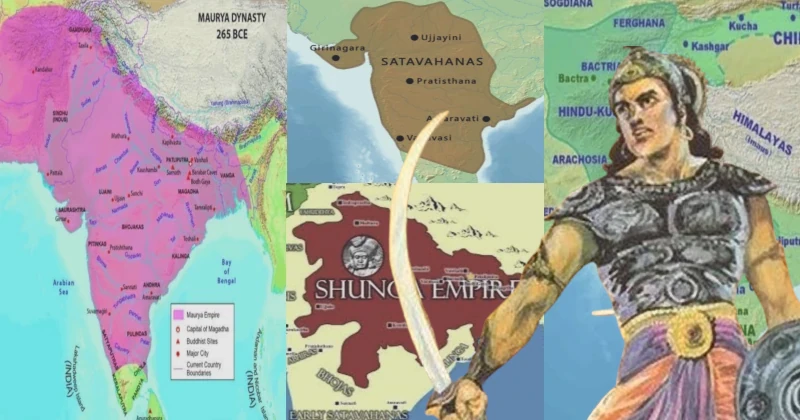
The Mauryan Empire (322–185 BCE), founded by Chandragupta Maurya with the strategic brilliance of Chanakya, marked the first true unification of Bharat. Emerging after centuries of fragmented rule, Chandragupta established a centralised state stretching over 5 million sq. km, from Afghanistan to Bangladesh.
After defeating Seleucus I Nicator, one of Alexander’s generals, Chandragupta forced the Hellenistic world to retreat westward, sending shockwaves across Central Asia. His grandson, Ashoka, expanded the empire further and made Pataliputra (modern Patna) a political and cultural hub of the world.
This was not just a dynasty; it was the assertion of Bharat as a global superpower that no foreign army could dare to control.

2. Gupta Empire – The golden age of civilisation
If the Mauryas gave Bharat political unity, the Guptas (320–550 CE) delivered its golden age of culture, science, and philosophy. Under Chandragupta I, Samudragupta, and Chandragupta II, the empire stretched across 3.5 million sq. km from Afghanistan to the Brahmaputra basin.
The Guptas’ greatness lay not only in military conquest but in fostering advances that shaped world civilisation: Aryabhata’s astronomy, Kalidasa’s literature, Nalanda University, and breakthroughs in mathematics that travelled across the globe.
But make no mistake the Guptas were also fierce warriors. Samudragupta, called the “Napoleon of India,” subdued kingdoms across the north and south, ensuring Bharat’s unity against internal fragmentation and external threats.
3. Chola Empire – Masters of the Indian Ocean
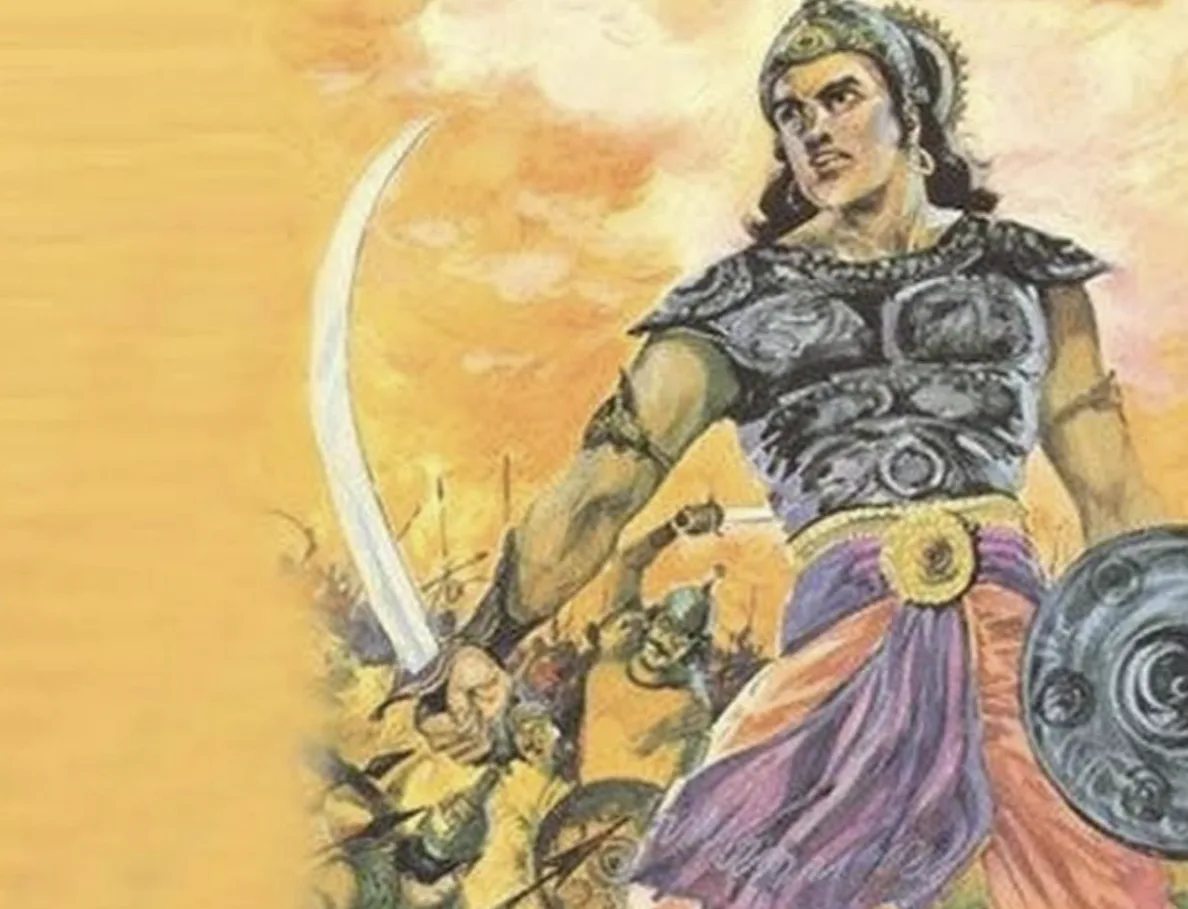
The Cholas (9th–13th centuries CE) elevated Bharat from a land power to a naval colossus. At its zenith under Rajaraja I and Rajendra Chola I, the empire controlled 1 million sq. km, covering most of South India and vast overseas territories: Sri Lanka, Maldives, Sumatra, Java, Thailand, Singapore, and Malaysia.
The Cholas were not content with defending Bharat’s shores — they projected maritime dominance, crushing rival navies, controlling Indian Ocean trade, and even humiliating the powerful Srivijaya Empire of Southeast Asia. Their capitals at Thanjavur and Gangaikonda Cholapuram became centres of naval strategy and temple architecture, where power and spirituality converged.
The Chola navy ensured that no foreign fleet, not even the Chinese, Arabs, or Europeans of their time, could dictate terms in the Indian Ocean. Bharat’s seas were Chola seas.
4. Satavahana Empire – The shield of the Deccan
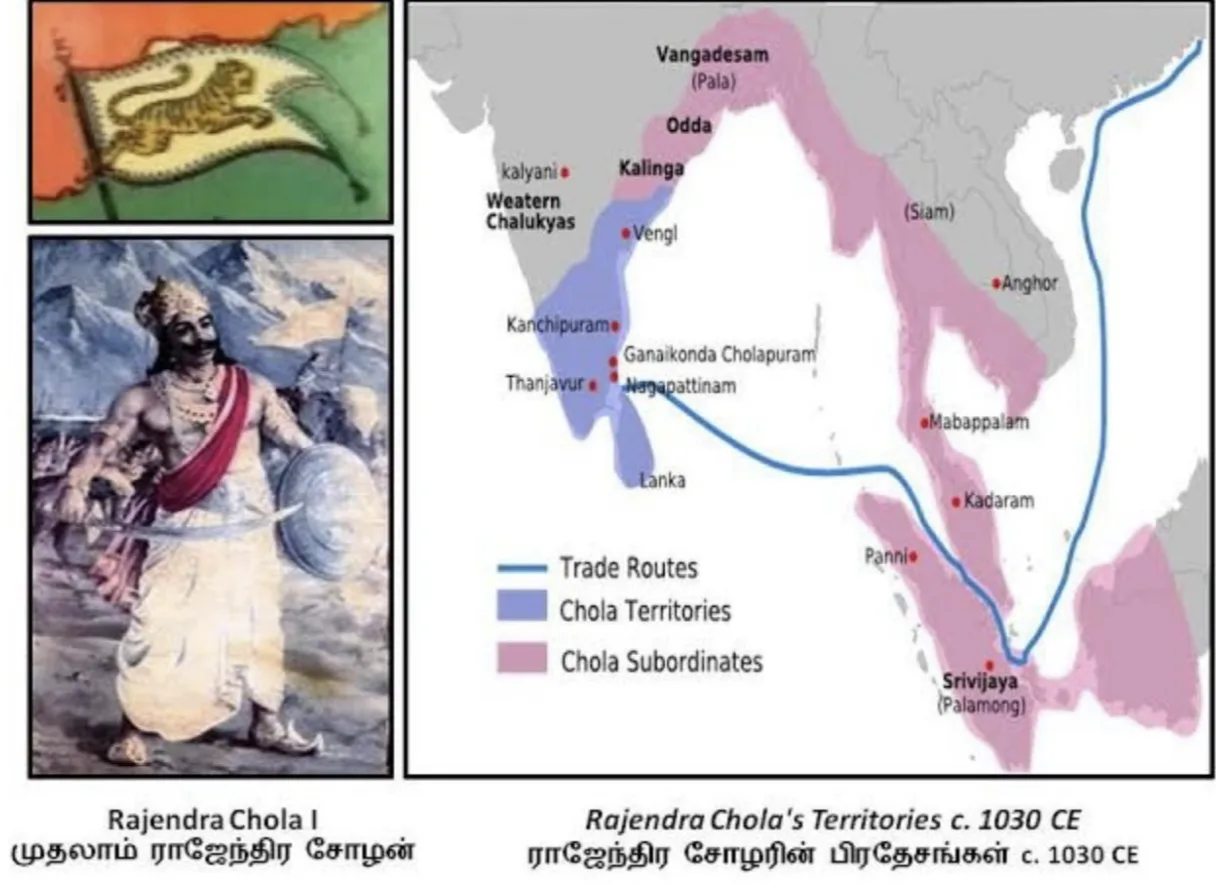
The Satavahanas (1st BCE–2nd CE) filled the vacuum after the Mauryas, defending the Deccan against northern incursions. With Paithan and Amaravati as capitals, the empire stretched across Andhra, Telangana, Maharashtra, Gujarat, and Karnataka.
Their greatest ruler, Gautamiputra Satakarni, humbled foreign powers, defeated intrusive Sakas, and secured the Deccan from outsiders. He proudly declared himself the destroyer of alien vanvasis a line of defence that preserved the cultural heartland of southern Bharat when northern India was vulnerable.
5. Shunga Empire – The last line against Yavana invaders
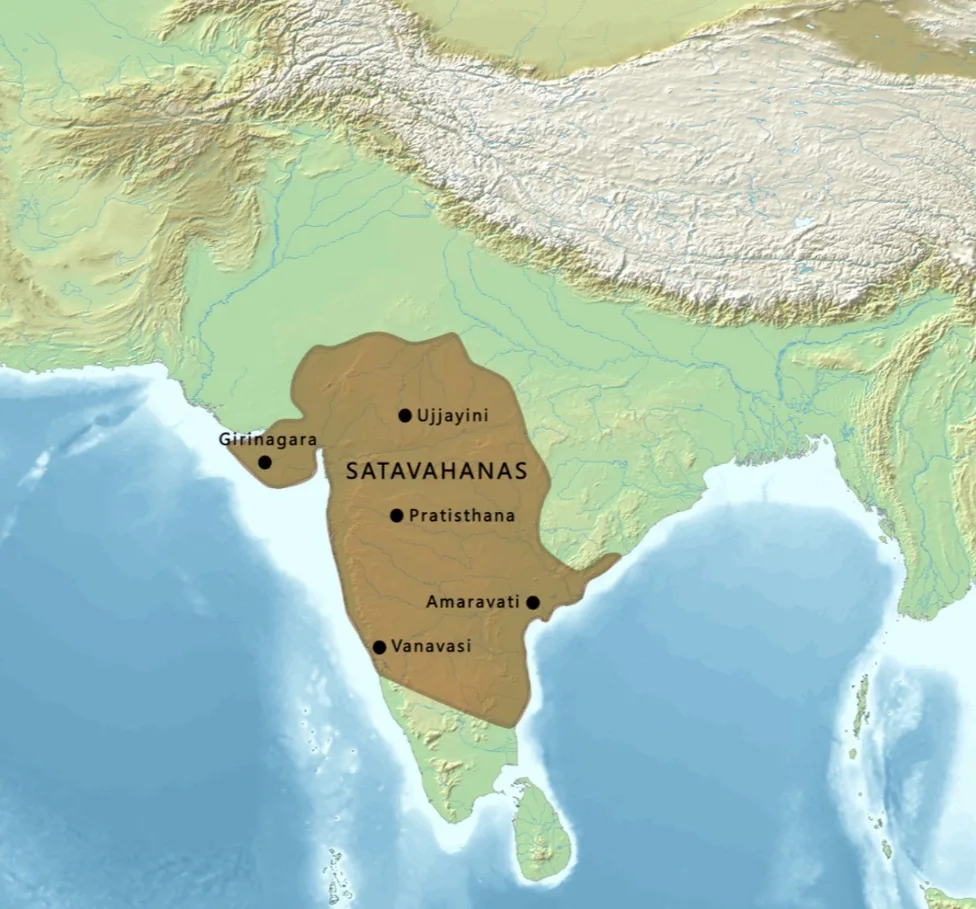
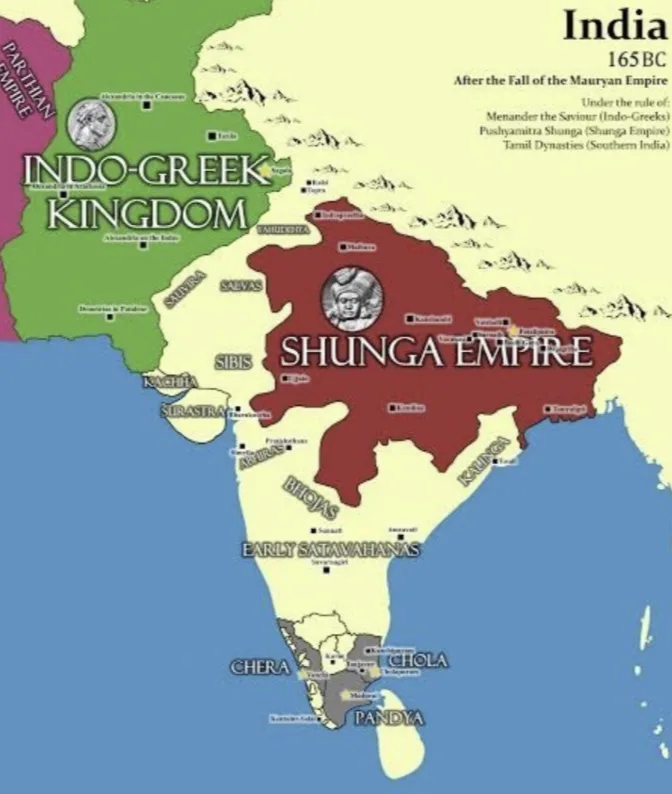
Born from the ashes of the Mauryas, the Shungas (185–73 BCE) under Pushyamitra Shunga rose as defenders against foreign incursions. After assassinating the last Mauryan ruler, Pushyamitra assumed power and immediately had to fend off Indo-Greek (Yavana) invasions.
His leadership not only stopped the Greeks from overrunning Bharat but also reasserted Vedic traditions and fortified Bharat’s northern heartland. Without the Shungas, Bharat could have fallen to Greco-Bactrian rule — their resilience was civilisational survival.
6. Chalukya Empire – Architects of the Deccan’s power
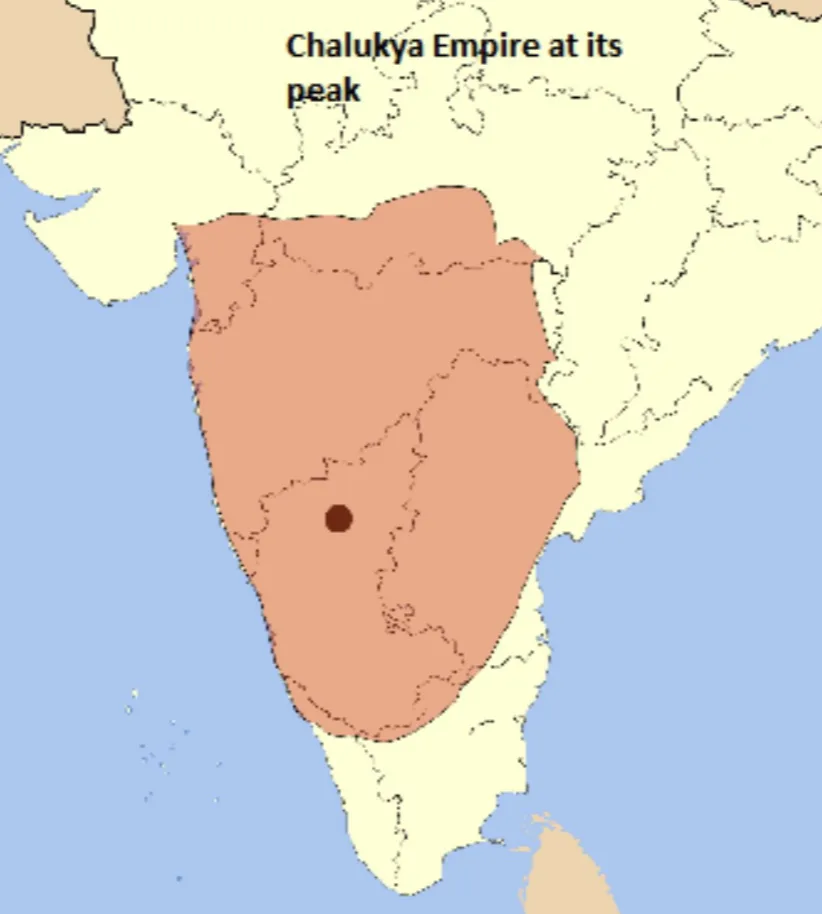
The Chalukyas (6th–12th centuries CE) carved a vast dominion from Konkan to Kalinga, Narmada to Cauvery, with their capital at Badami. At its height under Pulakeshin II, the empire stopped Harsha of Kannauj in the north and checked Pallava advances in the south.
The Chalukyas were not merely warriors — they were architects of heritage, leaving behind monuments like the Badami caves and Pattadakal temples, symbols of cultural strength tied to political power.
7. Kushan Empire – The Indo-Central Asian bridge
The Kushans (1st–3rd centuries CE) created a vast dominion across India, Pakistan, Afghanistan, and Xinjiang. With capitals at Peshawar, Mathura, and Taxila, they connected Bharat to the Silk Road.
The empire peaked under Kanishka I, who not only expanded the empire militarily but also presided over a cultural flowering that spread Buddhism deep into Central Asia and China. The Kushans turned Bharat into a cosmopolitan empire, fusing trade, art, and power across continents.

8. Vijayanagara Empire – The southern bulwark against invasion
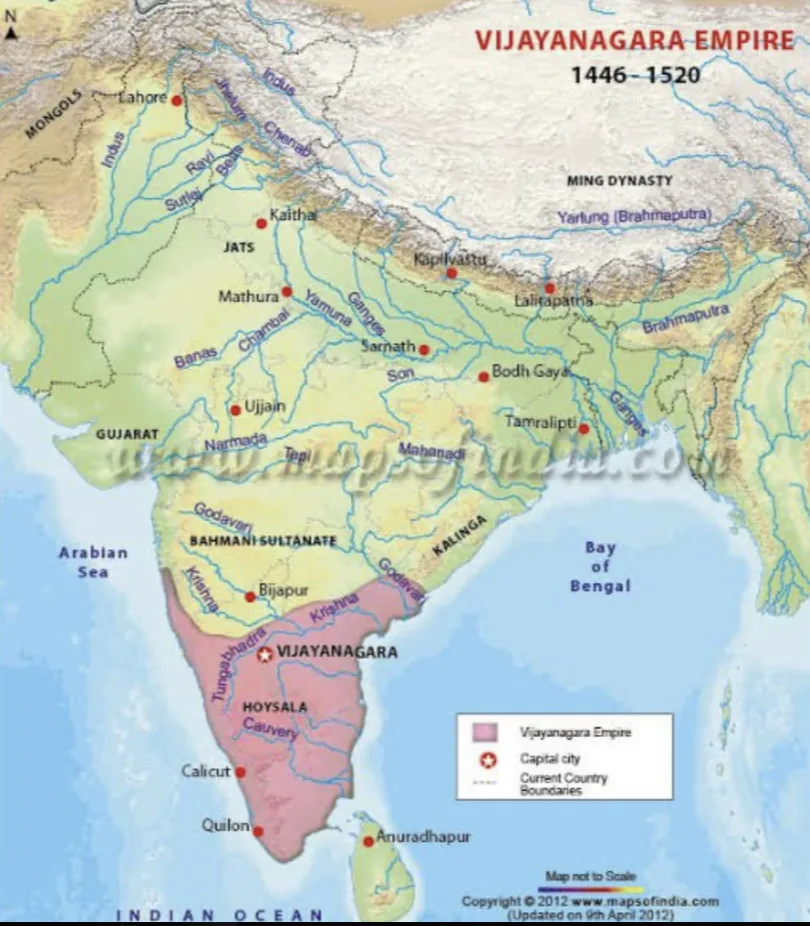
The Vijayanagara Empire (1336–1646 CE) arose during one of the darkest times in Bharat’s history, when Delhi Sultanates ravaged the land. Founded by Harihara and Bukka, and expanded by Krishnadevaraya, the empire ruled 0.6 million sq. km across South India.
With capitals like Hampi and Chandragiri, Vijayanagara became both a fortress of Hindu resistance and a cultural powerhouse. It shielded the south from relentless Islamic incursions and preserved temples, traditions, and autonomy for centuries. Its fall in the Battle of Talikota (1565) was one of the greatest tragedies of Bharat’s history.
9. Maratha Empire – The last great Hindu power
When foreign domination seemed absolute under the Mughals, the Marathas (17th–19th centuries) under Chhatrapati Shivaji Maharaj ignited the flame of Hindavi Swarajya. From a mountain fortress in Raigad, Shivaji built an empire that expanded under Bajirao I into a pan-Bharat confederacy covering 2.8 million sq. km, from Bengal to Attock, Kashmir to the Cauvery.
The Marathas shattered Mughal supremacy, resisted Islamic invasions, and later stood as the last great indigenous power before British colonisation. Their lightning raids, innovative guerrilla warfare, and unyielding spirit made them the nightmare of imperial powers.

10. Chauhan (Chahamana) Empire – Rajput valour against Mleccha invasions
The Chahamanas of Shakambhari (6th–12th centuries CE), based in Rajasthan, symbolised Rajput courage. Their legendary ruler, Prithviraj Chauhan, defeated Muhammad of Ghor in the First Battle of Tarain (1191), proving Bharat’s resilience against Islamic incursions. Though later defeated in 1192, Prithviraj became an icon of resistance, embodying Rajput pride and defiance.

What unites these ten empires is not just their vast territories or cultural legacies, but their role as civilisational defenders. Time and again, foreign invaders tried to break Bharat’s spine, but these empires Maurya, Gupta, Chola, Satavahana, Shunga, Chalukya, Kushan, Vijayanagara, Maratha, and Chauhan ensured that Bharatvarsha’s soul remained unbroken.
















Comments