





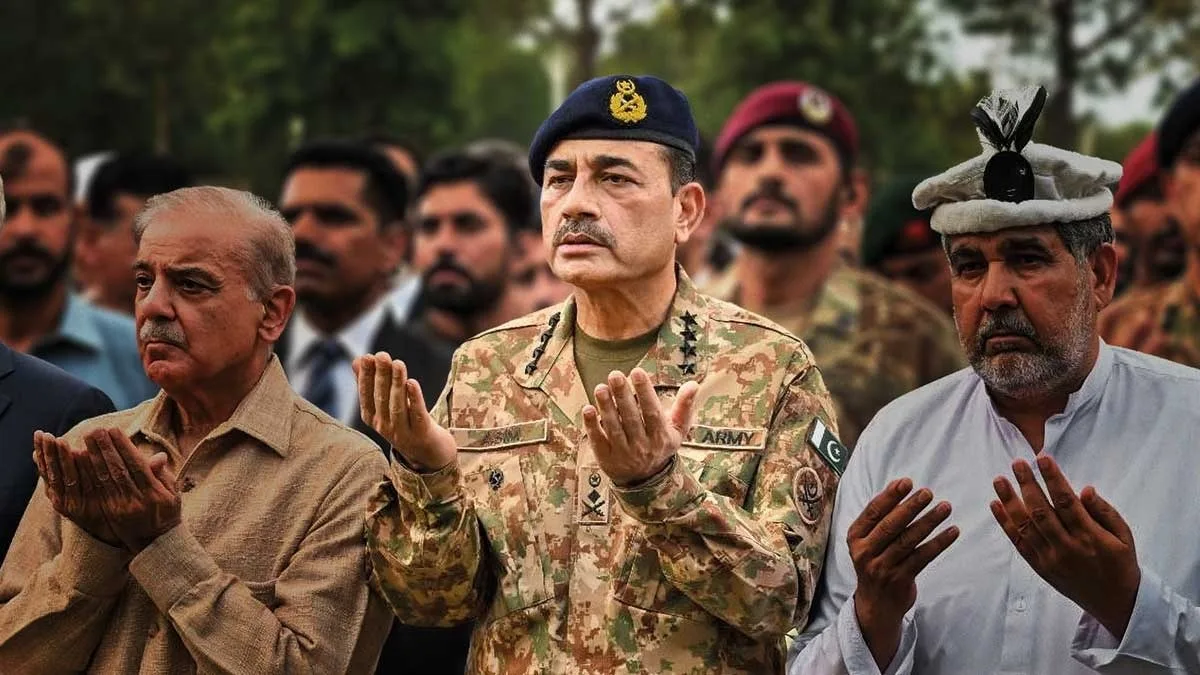
Pakistan’s double-speak was laid bare this week as its Foreign Office urged India to restore the Indus Waters Treaty (IWT), barely days after Army Chief Asim Munir threatened nuclear strikes and former foreign minister Bilawal Bhutto Zardari hurled aggressive remarks at New Delhi.
The 1960 treaty, which divided the Indus river system’s waters between the two nations, was suspended by India in May 2025 after a Pakistan-backed terror attack in Pahalgam killed multiple civilians and security personnel.
Islamabad claims “victory” after the Court of Arbitration issued an award on August 8, directing that India must allow the uninterrupted flow of the Western Rivers, Chenab, Jhelum, and Indus, for Pakistan’s use, with limited scope for hydroelectric projects under treaty terms.
Pakistan has hailed the ruling as binding, but India has never recognised the legality of this so-called court, calling its very formation a blatant violation of the treaty itself. New Delhi maintains the award is null, void, and unenforceable.
After the Pahalgam attack, India made it clear that water cooperation cannot continue while Pakistan sponsors cross-border terrorism. Officials insist the suspension will remain until Islamabad verifiably ends its terror infrastructure and stops sheltering anti-India jihadi groups.
“No biased arbitral forum, especially one constituted in violation of the treaty, can dictate terms to India,” a senior official said.
This latest U-turn follows Pakistan’s familiar playbook: escalate tensions with dangerous rhetoric, provoke through terror activities, and when faced with firm Indian retaliation, run to international bodies playing the victim card.
For New Delhi, the message is clear, Pakistan cannot wage a proxy war and expect privileged access to India’s water resources.











Comments