





On 9th August, the Chief Election Commissioner of Bangladesh AMM Nasir Uddin announced that the general elections for the country will be undertaken in the first week of February 2026. The announcement comes amidst declining public trust in the electoral system and spiking political distortions and blame games.
While speaking at an event in the Rangpur district, the chief of Bangladesh’s poll body said that the exact dates will be announced two months prior to the elections. Meanwhile, he acknowledged the key challenges prevailing in the process of conducting free, fair and impartial elections. He also spoke about the growing distrust among the public regarding the electoral system, election body, administrative machinery of the nation and on the overall political landscape of the country.
“People have lost confidence in the election system, the Election Commission and the administrative machinery involved in the electoral process”, CEC Nasir Uddin told state-run Bangladesh Sangbad Sangstha(BSS). Despite all the distortions and mistrust of the people, the CEC owed to “work tirelessly” to restore trust of the people in the electoral system. “over the years people have become disengaged from the voting process, but as long as the election commission remains conscious of its responsibilities all actions will strictly follow the rules, regulations and laws.”, the CEC added.
He also spoke about the law and order situation in the country which was highly unstable and insecure post the student uprising and the ouster of Sheik Hasina regime in August 2024. CEC Nasir Uddin said that the law and order situation in the country is currently stable and resolved to make it even better so that the citizens can vote peacefully and without any fear.
Elections amidst changed political landscape
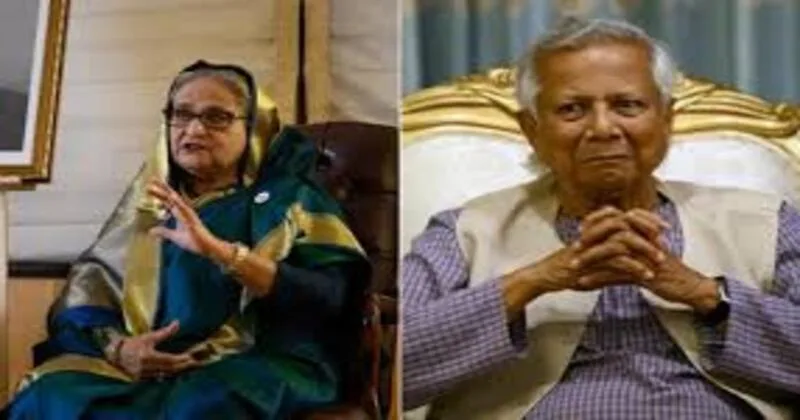
Elections have been announced amidst prevailing distrust and apprehensions of the public in the political system and electoral process. The interim government led by Muhammad Yunus has been short of delivering its promises and bringing in fair constitutional and administrative reforms. Meanwhile, the political landscape of Bangladesh has also been completely changed since the ouster of Sheik Hasina regime in the wake of massive students’ protest, the previous year.
Interim government has barred Sheikh Hasina’s Awami League from contesting elections under the provisions of anti-terror law. Bangladesh Election Commission has also officially scrapped Awami League’s registration, thus disqualifying the party from contesting elections. Thus, Bangladesh Nationalist Party(BNP) has emerged as the single largest party in the absence of Awami League. BNP’s leader Tarique Rahman has declared that the party would take part in the February elections in an alliance with the like-minded partners. Currently, BNP has an alliance of 12 parties of the country and aims to contest in the elections in a united manner.
On August 5th, while marking one year of student’s protest and the ouster of Sheikh Hasina regime, the Chief Advisor of the interim government Muhammad Yunus had announced that the general elections will be held in February 2026. Yunus had declared that the elections would mark peace, order and cordiality in the history of Bangladesh. However, various global Human Rights Groups opine that there is little progress in the country on the aspects of human rights and other democratic values since the expulsion of the Sheikh Hasina regime, the very ground on which she was removed from power.














Comments