





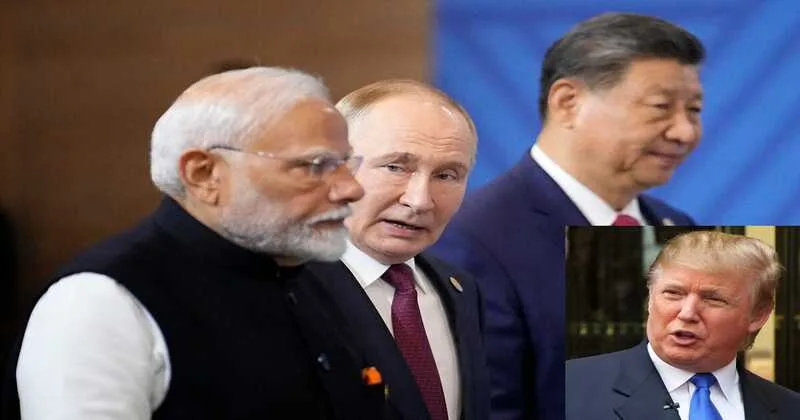
In a diplomatic spectacle that is set to redefine global power alignments, Prime Minister Narendra Modi will travel to Tianjin, China, from August 31 to September 1 to attend the Shanghai Cooperation Organisation (SCO) summit, marking his first visit to China since the Galwan clash of 2020. Before this high-stakes summit, Modi will also visit Japan on August 30 for the annual India-Japan summit with Prime Minister Fumio Kishida, reinforcing India’s growing clout across Asia.
This is not just another round of summitry. This is India staking its claim as the new fulcrum of global diplomacy, amid intensifying East-West tensions, US tariff threats, and a fractured global order. As the West, led by President Donald Trump, tightens its grip through punitive tariffs and pressure campaigns, India is charting its own sovereign course, fearless, firm, and unapologetically strategic.
Modi’s trip to China comes on the heels of a flurry of high-level diplomatic activity. In June, Defence Minister Rajnath Singh travelled to Qingdao for the SCO Defence Ministers’ meeting. Next came National Security Advisor Ajit Doval’s visit to China, followed by External Affairs Minister S. Jaishankar’s high-profile engagement in Beijing with President Xi Jinping. The sequence was deliberate as India was laying the groundwork, message by message that we talk to all, bend to none.
But what makes this moment historic is not just Modi’s visit to China, it’s India’s simultaneous defiance of US pressure. As Trump lashes out against BRICS nations for buying Russian oil and accuses India and Russia of being “dead economies,” New Delhi has made it clear it doesn’t take orders from Washington. The US slapped a 25% tariff on Indian goods and threatened more penalties. India responded not with outrage, but with action.
Announcement of Modi’s visit to China comes at the time when the NSA Ajit Doval has just landed in Moscow, deepening defence and energy ties with Russia. Discussions are underway for additional S-400 systems and possibly Su-57 fighter jets. India is also exploring MRO (Maintenance, Repair and Overhaul) facilities for Russian systems on Indian soil. These moves come even as Trump rattles sabres over New Delhi’s continued energy trade with Moscow.
Meanwhile, External Affairs Minister Jaishankar is expected to visit Russia in mid-August, as part of a broader strategy to cement India-Russia ties ahead of the India-Russia Summit later this year. That summit will mark President Vladimir Putin’s first visit to New Delhi since 2021, a significant signal of enduring strategic trust amid global churn.
Through this strategic choreography, India is doing what few nations have dared to do, talk to China, strengthen ties with Russia, engage Japan, and stand its ground before the US, all at once. And it’s doing so with a clarity of purpose that no longer seeks Western approval.










Comments